
What does an electrical inspector do?
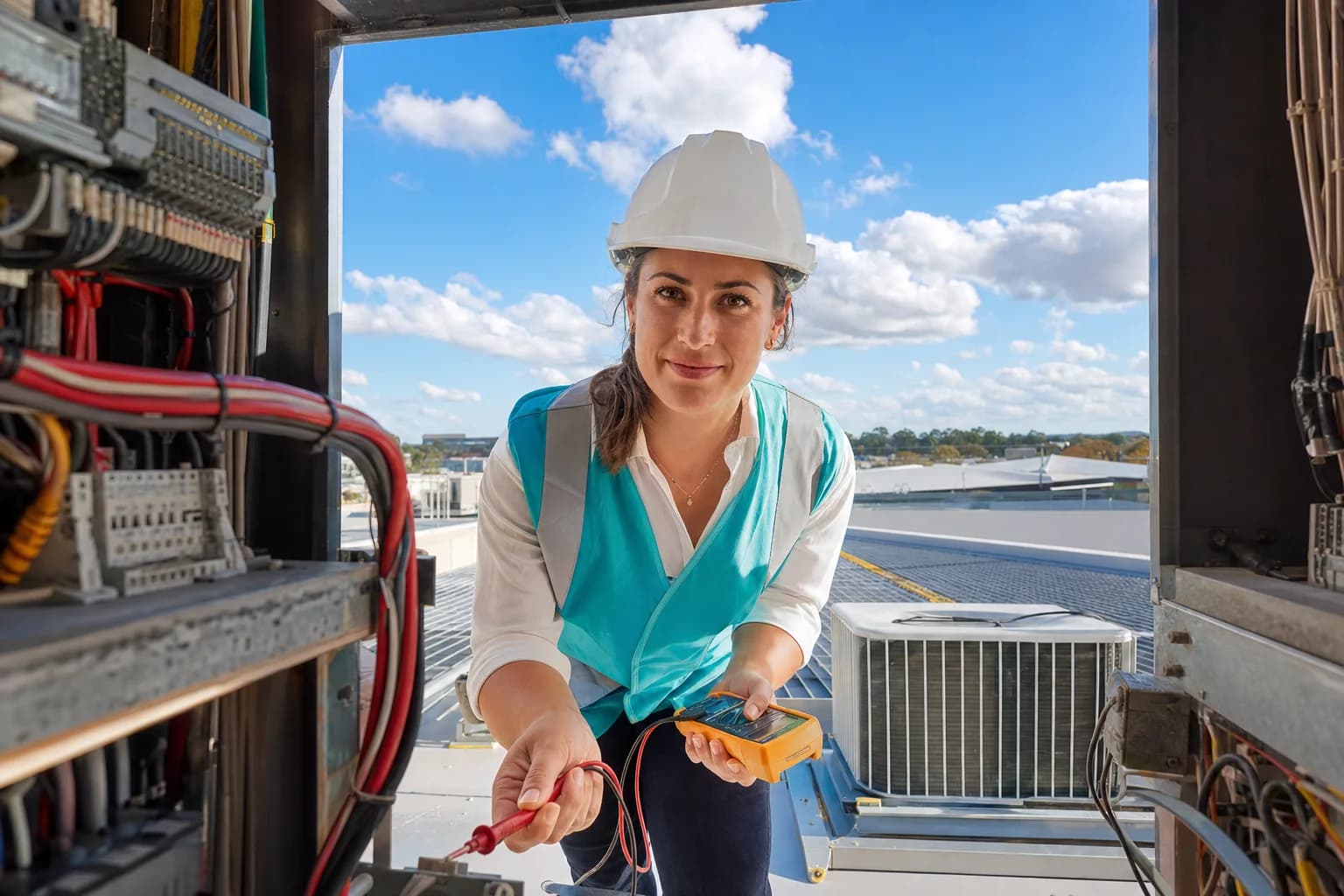
An inspector checks that electrical installation work is safe and meets the regulations and Wiring Rules. In Victoria, a Licensed Electrical Inspector (LEI) inspects and tests work, and may disconnect and reconnect circuits to do the tests. They then sign the Certificate of Inspection on the Certificate of Electrical Safety (COES). That signature certifies that the prescribed work done or supervised by the electrician meets the legislation.
There is a clear conflict rule. An LEI cannot inspect prescribed work they helped install or design. They also cannot inspect it if they are the registered contractor engaged for the job. Inspectors can get their certificates directly from contractors through ESVConnect, or through an inspection company.
Victoria's licence classes
Class G is the base licence. It covers inspection of low voltage installations, except work that falls under the specialist classes. Class RE started on 5 April 2024 and covers generation systems and battery systems. To get it, you must hold or be eligible for Class G and pass the RE theory assessment. There is also a version of RE limited to generators driven by internal combustion engines.
Class H covers hazardous areas, Class V covers high voltage, and Class M covers fixed equipment in patient areas. None of these three has a formal exam. For each one, you need on-the-job training with a current inspector of that class, including at least 10 documented inspections, and a reference from the inspector who trained you. For Class M, the 10 must include at least six cardiac-protected and four body-protected areas.
Audit work and other states
The COES auditing scheme is another source of inspection work in Victoria. Energy Safe Victoria has audited work listed on certificates since 1999. The auditors are employed or engaged by companies Energy Safe Victoria lists on its COES auditing scheme page, such as Electrical Compliance Victoria. The audit results also show the regulator where the trade needs more training.
In Western Australia, inspectors are designated under the electricity laws. Anyone applying to be an Electrical Inspector (Building and Energy) must be employed or engaged by Building and Energy. In Queensland, Electrical Safety Office inspectors are appointed to the regulator. They investigate incidents and take compliance action, so in both states the job is a government position you apply for.
Pay
AUD a year, before tax. These are typical earnings for testing, inspection and compliance work, from the ABS Employee Earnings and Hours survey (May 2025) adjusted to 2026 with a wage index. The state figures are modelled. The only official rate shown is the award minimum for electrical worker grade 5 under MA000025, effective 1 July 2026. Specialist classes and government roles can change what you earn. Refer to the Testing, Inspection & Compliance salary guide for figures from live adverts.
What you need
- Electrician's licenceBefore you sit the G Class assessments, you should hold a current A class electrical worker's licence or an equivalent qualification.
- Five years' trade experienceYou need at least five years' electrical trade experience after you finish your apprenticeship. This is counted at the date you apply for the licence. You can sit the assessments before you reach five years.
- Three G Class assessmentsG Class Theory is a 3.5-hour written exam. Safe Approach covers supply for construction sites. G Class Practical is a 2.5-hour inspection and test. You need at least 75% in each one.
- Assessment providerFuture Energy Skills runs every G and RE assessment. Energy Safe Victoria will not consider a G Class application until you have completed the assessments.
- Regulations knowledgeYou need a thorough knowledge of the Wiring Rules, the Electricity Safety Act 1998 and the Electricity Safety (General) Regulations 2019, including how the COES system works.
- FeesFor 2026-27, the LEI application fee is $734.30 for a five-year licence, including a $70 administration component you don't get back. Renewal is $352.70.
State by state
| Victoria | Energy Safe Victoria issues the LEI licence in Classes G, RE, H, V and M. Class G needs five years' post-trade experience and passes in three assessments. |
|---|---|
| Western Australia | Electrical inspectors are designated under the electricity laws. To apply as an Electrical Inspector (Building and Energy), you must be employed or engaged by Building and Energy. |
| Queensland | The Electrical Safety Office appoints its own inspectors. They visit workplaces, investigate, and take compliance and enforcement action under Queensland's electrical safety laws. |
How to get there
- StartFinish your apprenticeshipComplete your electrical apprenticeship and get your electrician's licence. In Victoria, that is the A class licence.
- Years 1-5 licensedBuild trade experiencePut in at least five years on the tools after your apprenticeship. Testing work and work on varied installations will help in the assessments.
- Year 4-5 licensedSit the G Class assessmentsBook G Theory, Safe Approach and G Practical with Future Energy Skills. You need at least 75% in each.
- After 5 yearsApply for Class GApply through ESVConnect with your results and the fee. The licence runs for five years.
- OngoingAdd specialist classesPass the RE theory exam, or train under a current H, V or M inspector, then use the Add Inspector Class option on your licence.
Open now on ElectricalRoles.com.au


Questions people ask
How many years' experience do you need to become an electrical inspector in Victoria?
You need at least five years' electrical trade experience after your apprenticeship, plus a current A class licence or equivalent. Energy Safe Victoria counts the five years at the date you apply for the licence. You can sit the assessments earlier.
What is the pass mark for the LEI assessments?
You need at least 75% in each G Class assessment. The three assessments are G Class Theory, Safe Approach and G Class Practical. Future Energy Skills runs all of them.
Can an inspector check their own work?
No. An LEI cannot inspect prescribed work they helped install or design. They also cannot inspect it if they are the registered contractor engaged for the job.
Do the hazardous area and high voltage classes have an exam?
No. Classes H, V and M have no formal assessment. For each one, you need on-the-job training with a current inspector of that class, at least 10 documented inspections, and a reference from that inspector.
What happens if your inspector licence is cancelled?
If your LEI licence is cancelled, you can apply to reinstate it with the LEI Reinstatement Form. If your G Class has been cancelled for five years or more, you have to pass all three G Class assessments again before you can reinstate it.
Sources
- Energy Safe Victoria: Licensed Electrical Inspector (LEI) licence
- Energy Safe Victoria: Licensed Electrical Inspector assessments
- Energy Safe Victoria: Licensing fees
- Energy Safe Victoria: COES auditing scheme
- Government of WA: Designation of Inspectors (Electricity)
- Business Queensland: Electrical safety compliance and enforcement
- Fair Work Ombudsman: Electrical, Electronic and Communications Contracting Award 2020