What does EEHA mean?
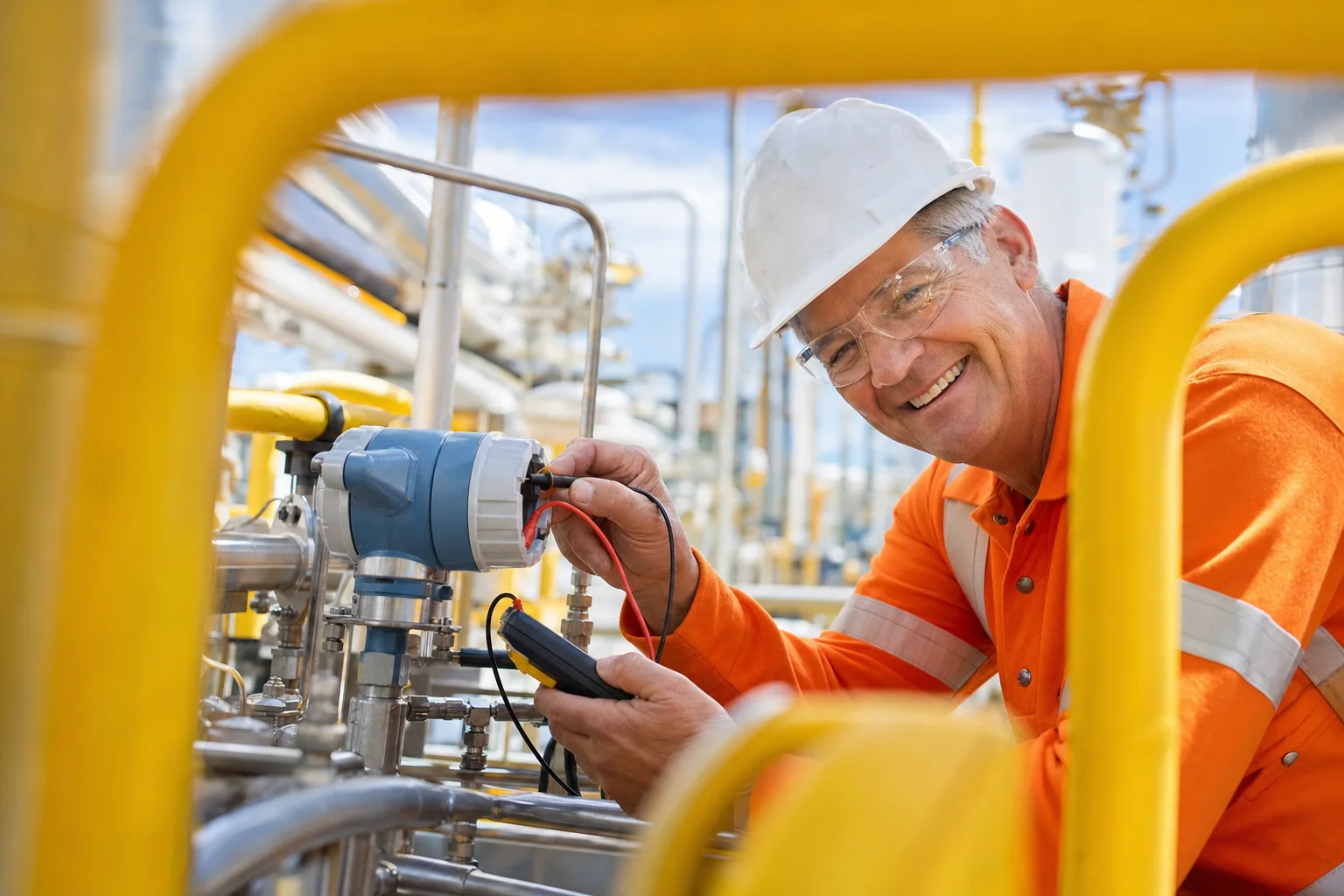
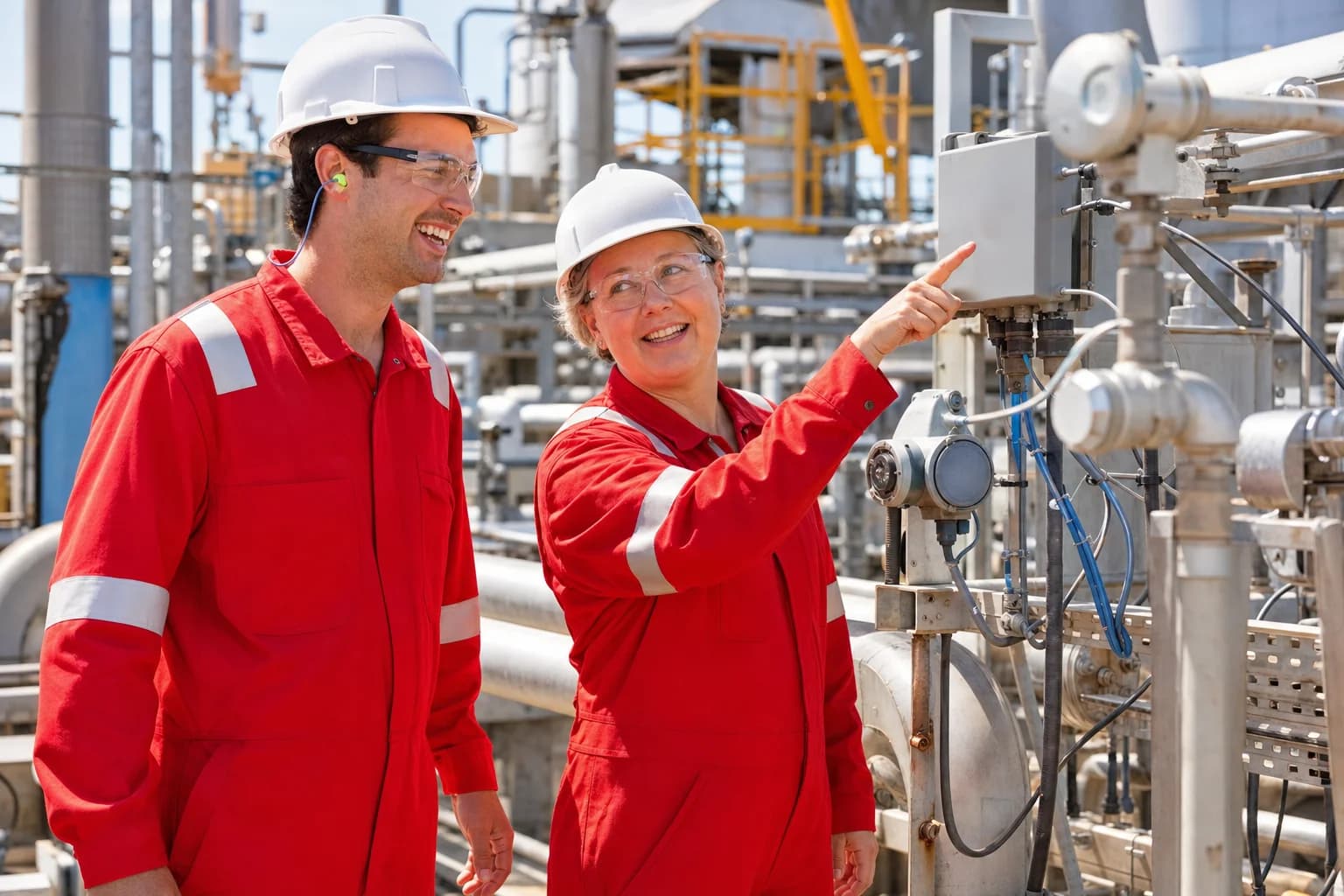
EEHA stands for electrical equipment for hazardous areas. Australian Standard AS/NZS 4761.1:2018 sets out the competencies for this work. A hazardous area is a three-dimensional space where an explosive atmosphere is present or may form. Any equipment in that space has to be suitably rated and properly earthed so it cannot ignite the gas, vapour or dust around it.
Before any electrical work starts, the site needs a hazardous area classification. This sets out the zones and decides what level of protection the equipment needs. In Queensland, WorkSafe says anyone who manages or controls a site with an explosive atmosphere risk must make sure the classification has been done. Equipment installed in a classified zone has to meet AS/NZS 60079.14, which covers design, selection, erection and initial inspection. AS/NZS 60079.17 covers inspection and maintenance once the plant is running.
Where is the work?
Queensland's regulator lists dozens of industries with hazardous areas. Gas and fuel sites make up a big share: gas processing plants, gas storage, coal seam gas wells and plants, refineries, fuel storage tanks, tanker filling plants and petrol stations. Chemical plants, pharmaceutical makers, paint factories, spray booths, laboratories, sewage treatment plants, landfill gas and biogas plants, and hydrogen generation plants are on the list as well.
Combustible dust also creates hazardous areas. Think grain and sugar silos, flour mills, breweries, distilleries, industrial bakeries, saw mills, fertiliser plants, and coal stockyards and conveyor transfer chutes. Coal mining has its own units in the training package, covering reeling, trailing and flexible cables and their plugs and couplers.
What competencies are in the training package?
UEE42622 Certificate IV in Hazardous areas - Electrical replaced UEE42620 in October 2022. It is still listed in Western Australia's February 2026 nominal hours guide, at 396 hours. You need 440 weighting points: 200 from core units and 240 from electives. The core covers entering a classified hazardous area for electrical work, working out the explosion-protection requirements for a classified area, energy sector reports, WHS and environmental policy, and a personal competency plan.
The hands-on EEHA skills are in Group C, where you take between 140 and 240 points. Those units cover installing explosion-protected equipment and wiring, maintaining hazardous area equipment, visual and close inspection, detailed inspection, planning installations, and running periodic inspection and continuous supervision programs. Group B covers supervising the repair and overhaul of Ex d, Ex e, Ex i, Ex p and Group III equipment and rotating machines, plus the coal mining cable units.
Is it a separate licence?
No. When UEE42622 was published, no licensing, legislative or certification requirements applied to it. The licence you work under is still your state electrical licence. Clients, employers and site owners ask for hazardous area competency because the standards require competent people to work on EEHA installations.
Queensland adds a step at the installation level. An accredited auditor must inspect a hazardous area electrical installation before it is connected to supply for the first time, or reconnected after electrical work affects it. There are exemptions for some like-for-like equipment replacements, but they do not cover switchboards, cables or wires.
Pay
AUD a year, before tax. The award row is the Electrical, Electronic and Communications Contracting Award 2020 minimum from 1 July 2026 ($1,119.10 a week, $29.45 an hour). The other rows are industrial electrician earnings from ABS Employee Earnings and Hours, May 2025, moved to 2026 with a wage index; state figures are modelled, and Tasmania sits at about $104,000. There is no separate figure for hazardous areas work, and remote sites, shift work and overtime move it. Refer to the Industrial & Mining Electricians salary guide for figures from live adverts.
What you need
- Electrician qualification or licenceTo enter UEE42622 you need the Certificate III in Electrotechnology Electrician, or a current unrestricted electrician's licence (or equivalent) from an Australian state or territory.
- Core hazardous area unitsYou must complete UEEHA0004 (entering a classified hazardous area for electrical work) and UEEHA0022 (working out explosion-protection requirements for a classified area). Both sit in the Certificate IV core.
- Installation and maintenance unitsFor installing and maintaining equipment, the key electives are UEEHA0025 (install explosion-protected equipment and wiring systems) and UEEHA0026 (maintain hazardous area equipment). Both carry 60 points.
- Inspection unitsInspection work uses UEEHA0038 (visual and close inspection) and UEEHA0020 (detailed inspection). Running inspection programs is covered by UEEHA0023 and UEEHA0027.
- Knowledge of the standardsExpect to work to AS/NZS 60079.14 for installation and AS/NZS 60079.17 for inspection and maintenance. Competency is defined in AS/NZS 4761.1:2018.
State by state
| Queensland | An accredited auditor must inspect a hazardous area electrical installation before it is first connected to supply, or reconnected after electrical work affects it. Some like-for-like replacements are exempt, but switchboards, cables and wires are not. |
|---|
How to get there
- Year 1-4Electrical apprenticeshipComplete UEE30820 Certificate III in Electrotechnology Electrician (999 nominal hours in WA). The award pays apprentices from $559.55 a week in year 1 up to $917.66 in year 4.
- End of apprenticeshipGet your electrical licenceGet your unrestricted electrician's licence in your state. With it, or the Certificate III, you meet the entry rule for the hazardous areas Certificate IV.
- Year 4 onwardBuild industrial experienceGet time on process plant, mine sites, fuel terminals or water treatment sites, where classified zones are common.
- Alongside workHazardous areas unitsDo the core entry and explosion-protection units, then install, maintain and inspect electives under UEE42622 (396 nominal hours in WA).
- Later careerSpecialiseMove into detailed inspection, managing inspection programs, supervising repair of Ex equipment, or coal mining cable work.
Open now on ElectricalRoles.com.au
See all →
Questions people ask
Do I need a separate licence to work in hazardous areas?
No. When UEE42622 was published, no licensing, legislative or certification requirements applied to it, and you still work under your state electrical licence. Employers and sites expect EEHA competency because the standards call for competent people on these installations.
Can an apprentice start the hazardous areas Certificate IV?
Not until the apprenticeship is finished. The entry requirement is the Certificate III in Electrotechnology Electrician, or a current unrestricted electrician's licence or its equivalent.
What is the difference between UEE42620 and UEE42622?
UEE42622 replaced UEE42620 in October 2022, and the two are not equivalent. The new version moved some units between elective groups, added the coal mining cable units to Group B and added the continuous supervision inspection unit to Group C.
Which industries hire hazardous areas electricians?
Gas processing, coal seam gas, refineries, fuel storage and petrol stations, chemical and pharmaceutical plants, sewage treatment, landfill and biogas, and hydrogen plants all have hazardous areas. Dust sites like grain silos, flour mills, sugar refineries and coal handling plants do too.
How much does a hazardous areas electrician earn?
No dataset tracks EEHA electricians on their own. Modelled ABS data puts industrial electricians at about $117,700 a year nationally in 2026, and about $128,800 in Western Australia. The award minimum for a grade 5 electrical worker is $29.45 an hour.
Sources
- training.gov.au: UEE42622 Certificate IV in Hazardous areas - Electrical (Release 1)
- training.gov.au: UEE42622 Certificate IV in Hazardous areas - Electrical
- training.gov.au: UEE42620 superseded by UEE42622
- WA Department of Training and Workforce Development: UEE nominal hours guide v9
- WorkSafe Queensland: Hazardous areas
- training.gov.au: UEEHA0007 Plan electrical installations for hazardous areas (AS/NZS 4761.1 reference)
- WorkSafe Victoria: Management of electrical equipment in hazardous areas at major hazard facilities
- Fair Work Commission: Electrical, Electronic and Communications Contracting Award 2020