
What does the job actually involve?
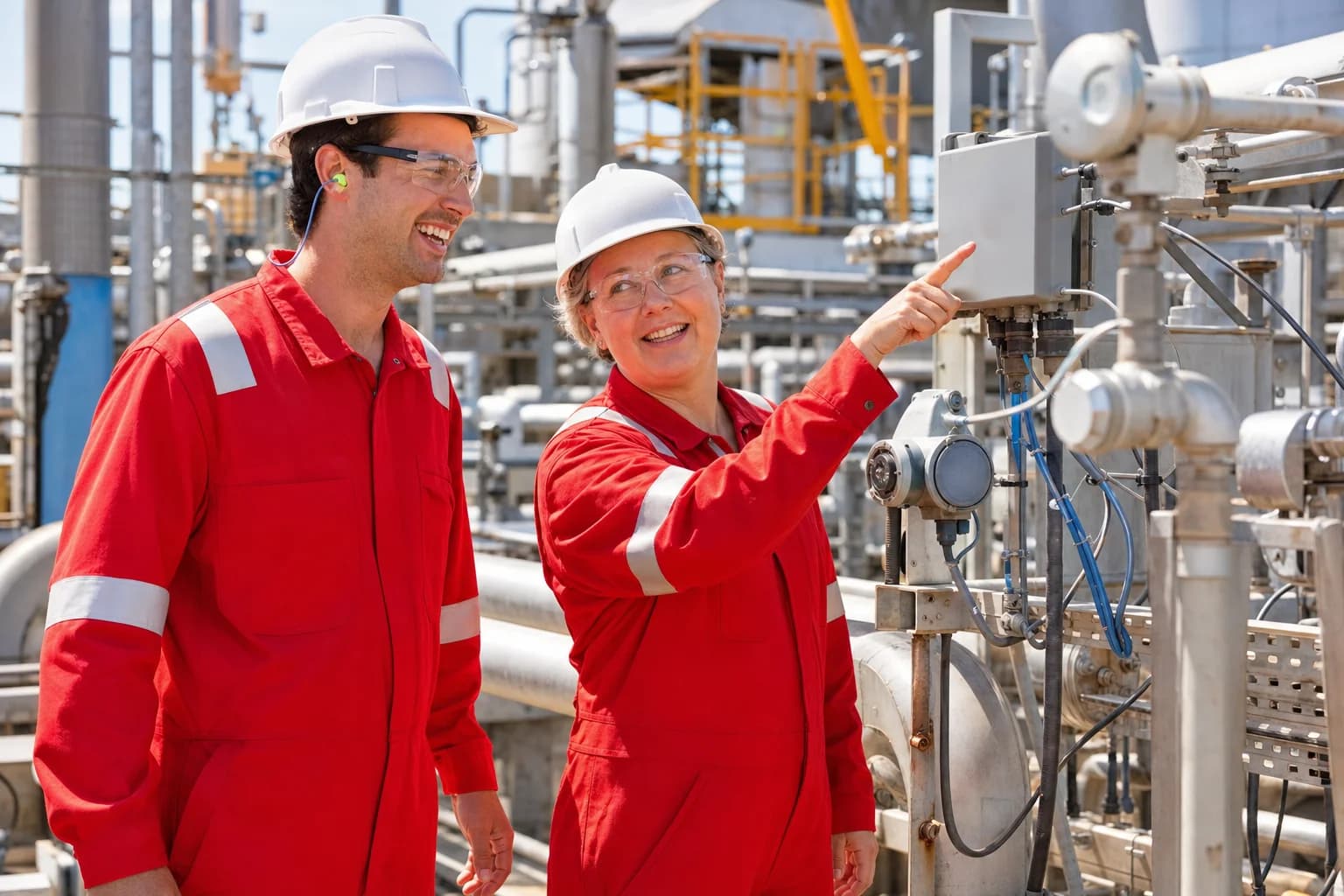
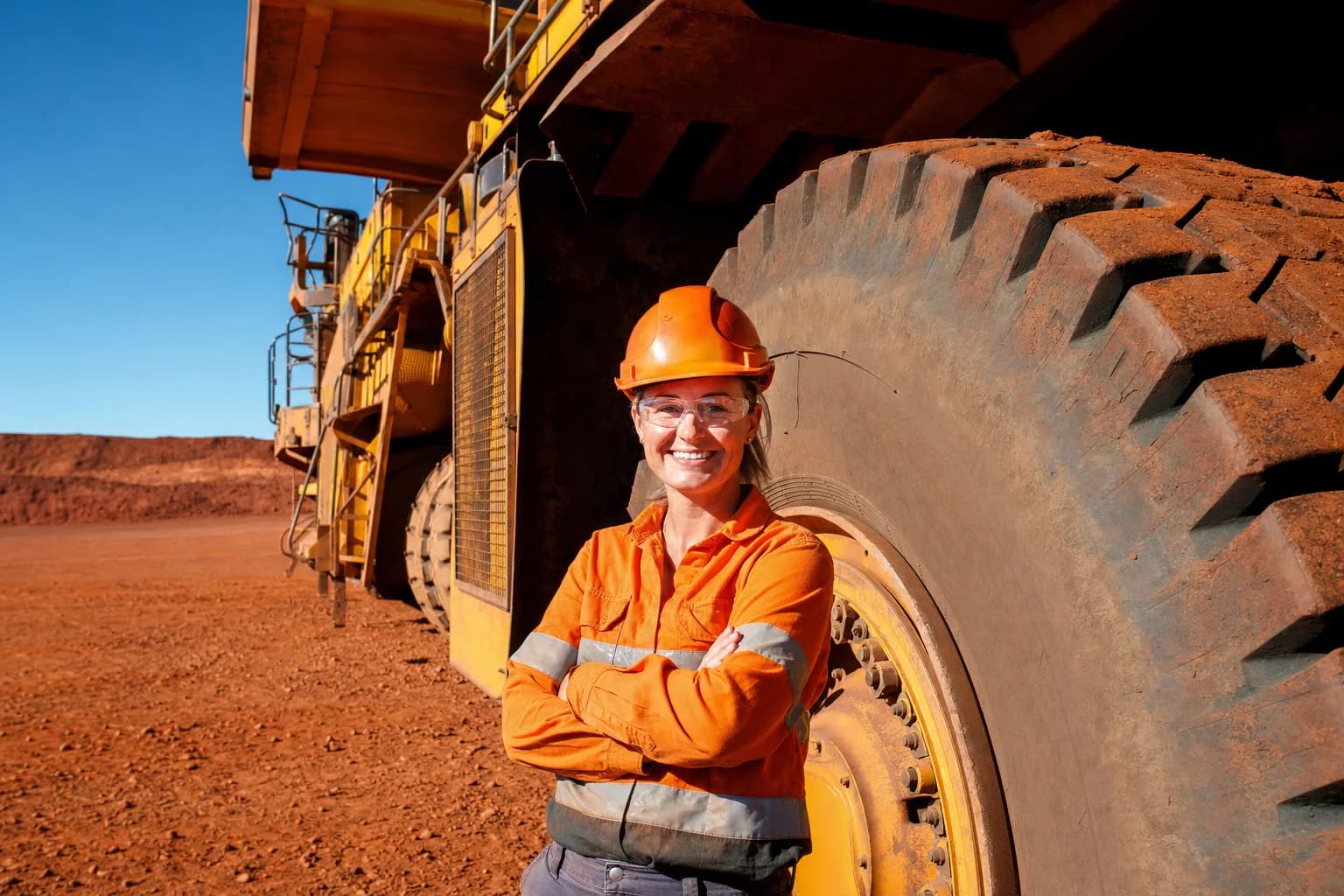
A mining electrician keeps the plant running. That means fixed plant like conveyors, crushers, pumps and processing equipment, plus mobile gear and the power that feeds it. Most of the work is fault-finding and planned maintenance, with big pushes during shutdowns. You work under the mine's safety and health management system, with isolations, permits and procedures for everything.
On a Queensland coal mine the electrical engineering manager controls the design of installations, installation and maintenance, and all electrical work on site. Your work runs under their standards. That structure also gives you a career ladder if you want one later.
How do you get in without site experience?
The cleanest route is an apprenticeship with a mining company or a contractor that services mines. In WA you can train as a Certificate III in Electrotechnology Electrician or a Certificate III in Engineering – Industrial Electrician. The industrial stream suits mine maintenance well. Mine apprenticeships are competitive, so apply early and apply widely.
Already licensed but never worked on site? Get industrial experience first: factories, water treatment, quarries or processing plants. Do hazardous areas training at your own cost if you have to. Shutdown work through contractors and labour hire is the usual first foot in the gate. Once you have one site on your resume, the next job gets much easier to land.
Coal versus metalliferous: what changes?
Coal mines carry their own legislation and their own competency lists. In Queensland, coal sits under the Coal Mining Safety and Health Act 1999. Resources Safety & Health Queensland keeps one list of competencies for coal mines and a separate one for mineral mines and quarries. Coal also has its own hazardous area units, such as maintaining and fixing equipment in hazardous areas in coal mining.
Underground coal is the strictest setting because of explosive gas and dust. Explosion-protected equipment is the daily work there, so hazardous areas competency matters more than anywhere else. Queensland coal workers also face a compulsory health assessment scheme. Metalliferous sites (gold, iron ore, copper, lithium) run on general electrical skills plus site inductions and their own medicals.
Residential or FIFO?
Residential jobs put you in a mining town and you drive to site each shift. You get a normal home life, but you have to live where the mine is. FIFO means you fly in and work a block of long shifts, stay in camp, then fly home for your break. Bowen Basin coal has plenty of drive-in drive-out and residential work. Much of the WA iron ore and gold work in remote areas is FIFO.
FIFO tends to pay more and gives you long stretches at home. The cost is time away, camp living and the strain on family. Plenty of electricians start FIFO to get site experience and money behind them, then go residential or local later.
Pay
AUD a year, before tax. State and national figures are modelled from ABS Employee Earnings and Hours (May 2025), moved to 2026 with a wage index. They are not official rates. The award rows are official minimums under the Electrical, Electronic and Communications Contracting Award 2020, effective 1 July 2026. Mine site pay usually sits well above the award, and roster, allowances, overtime and FIFO loadings move it. Refer to the Industrial & Mining Electricians salary guide for figures from live adverts.
What you need
- Electrician's licenceYou need a full electrical licence in the state you work in. In WA you need a completed approved apprenticeship or equivalent, the required exams or assessments, and a fit and proper person check that includes a recent police check.
- Hazardous areas trainingUEEHA0004 covers entering a classified hazardous area to work on electrical equipment. UEE42622 Certificate IV in Hazardous Areas – Electrical is the full post-trade qualification for licensed electricians.
- Queensland coal health assessmentRequired on entry to the industry or when you change employer, then at least every five years, unless your task is classed as low risk. Your employer arranges and pays for it.
- Site inductionOn a Queensland coal mine you cannot do any task until you have finished the mine's induction training. Every mine also runs its own site induction.
- Driver's licenceA C class driver's licence is commonly needed for electrician jobs in WA, and mine sites rely on light vehicles.
State by state
| Queensland | Coal mine workers must have a Coal Mine Workers' Health Scheme assessment on entry and at least every five years, completed through ResHealth. Electrical engineering managers need recognised competencies, and from 1 June 2030 they also need a Board of Examiners certificate plus a practising certificate. |
|---|---|
| New South Wales | The NSW Resources Regulator issues certificates of competence for electrical engineering managers. A mine needs a statutory electrical engineer if its total connected power is over 1,000 kW or it uses high voltage. |
| Western Australia | Electrical worker licences are issued through Building and Energy, within the Department of Local Government, Industry Regulation and Safety. Apprentices need an electrician's training licence and must pass a Capstone assessment. |
How to get there
- Years 1-4Electrical apprenticeshipCertificate III in Electrotechnology Electrician or Certificate III in Engineering – Industrial Electrician, with a licensed employer. A mining or industrial host employer gives you the best start.
- End of year 4Capstone and licencePass the Capstone assessment (required in WA) and apply for your state electrician's licence.
- Years 4-6Industrial or shutdown workBuild fault-finding experience on industrial plant. Contractor and labour hire shutdowns are a common first way onto a mine.
- Any time after licensingHazardous areas ticketComplete UEEHA0004 at minimum, or the UEE42622 Certificate IV in Hazardous Areas – Electrical. This counts most for coal and gas sites.
- Years 5-8Permanent site roleMove into a maintenance electrician position, either residential or FIFO, and add site tickets as you go.
- Year 8 onwardsSupervision and statutory rolesFor a NSW underground coal electrical engineering manager certificate you need an AQF6 or higher electrical engineering qualification and at least 5 years of practical underground coal experience.
Open now on ElectricalRoles.com.au
See all →
Questions people ask
Do I need a special licence to work as an electrician on a mine?
Electricians at trade level work under their normal state electrical licence. Mines then add their own inductions, site authorisations and training requirements on top. Statutory roles such as electrical engineering manager need separate certificates of competency.
Who pays for the coal board medical in Queensland?
Your employer. It must arrange and pay for your Coal Mine Workers' Health Scheme assessment, including any extra tests or follow-up of abnormal results. The scheme used to be called the Coal Board Medical.
Do I need a new medical every time I change coal employers in Queensland?
You need a new health assessment when you change employer. The medical exam, chest X-ray or spirometry may not have to be repeated if your earlier results are still in date and the employer's Appointed Medical Adviser decides repeats are unnecessary.
Is hazardous areas training worth doing before I get a mine job?
For coal, gas and many processing sites, yes. It covers explosion-protected equipment and the procedures for working in explosive atmospheres. If you already hold it, a contractor can put you to work sooner.
Can a mining electrician become an electrical engineering manager?
Yes, it is a recognised path. In NSW the underground coal certificate needs at least 5 years of practical underground coal experience, and at least 2 of those years must be on installing, commissioning, maintaining and repairing electrical plant. You also need an AQF6 or higher electrical engineering qualification, such as UEE62320 Advanced Diploma of Electrical Engineering – Coal Mining.
Sources
- Resources Safety & Health Queensland: coal mining competencies
- Resources Safety & Health Queensland: current coal mine workers
- Business Queensland: Coal Mine Workers' Health Scheme
- Queensland Legislation: Coal Mining Safety and Health Regulation 2017
- NSW Resources Regulator: electrical engineering manager of underground coal mines prerequisites
- NSW Resources Regulator: statutory functions guide
- Building and Energy WA: licensing of electrical workers and contractors
- Build a life in WA: electrician
- Jobs and Skills WA: Certificate IV in Hazardous Areas – Electrical
- training.gov.au: UEEHA0004 Enter a classified hazardous area