
What does a high voltage electrician do?
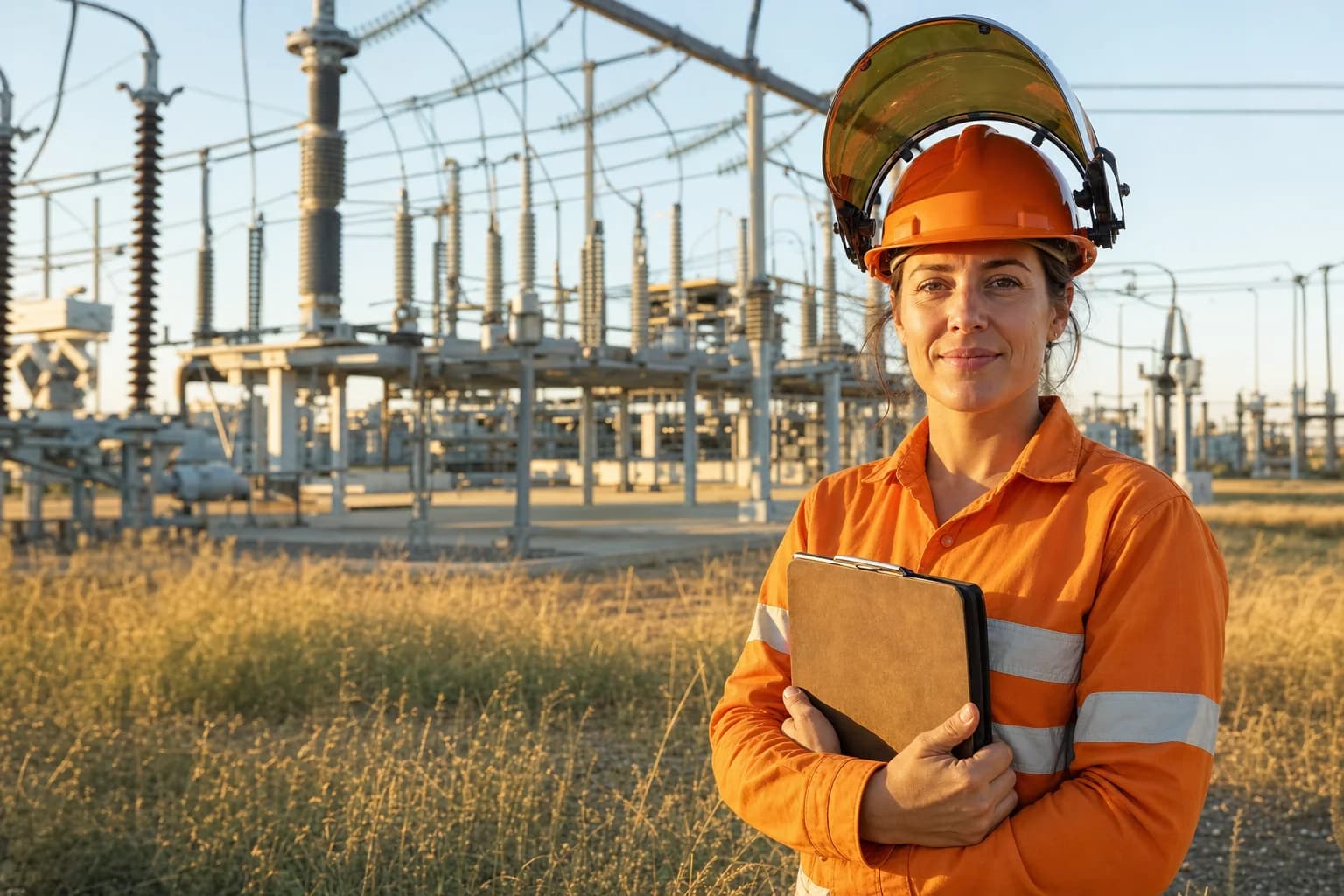
High voltage means anything above 1000 volts AC or 1500 volts ripple-free DC. Queensland and Victorian regulators both use that line. An HV electrician works on substations, ring main units, switchgear, transformers, overhead lines, underground cables and protection and earthing systems. A lot of the job is getting gear safe before anyone touches it: following a switching schedule, isolating, proving it dead, applying earths, and issuing or cancelling work permits. The rest is maintenance, testing, fault finding and putting plant back into service.
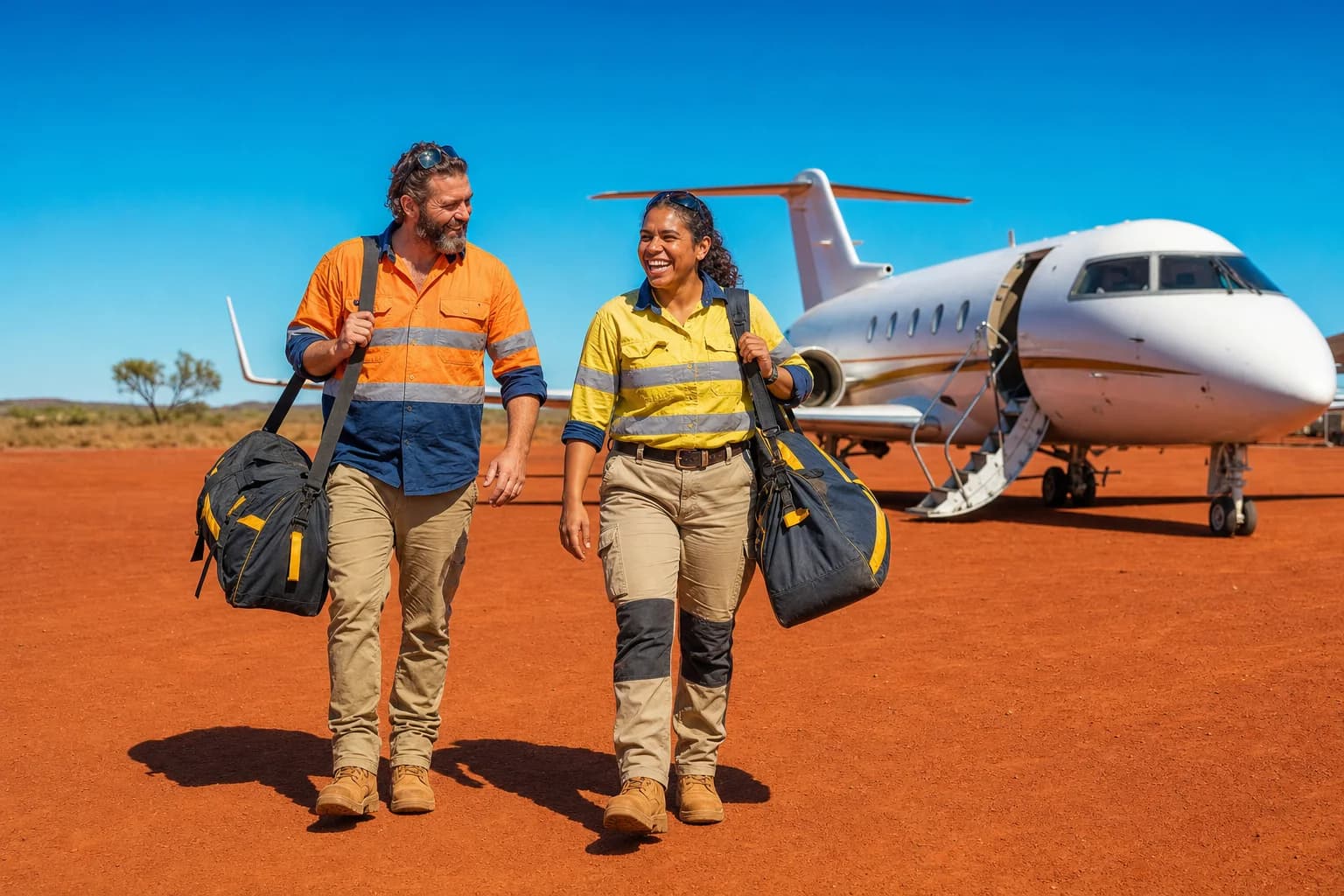
You'll find this work with electricity networks, mines, power stations, wind and solar farms, big industrial sites and contractors that service private HV installations. Energy Safe Victoria counts sites generating 1000 kVA or more as complex electrical installations, which covers solar farms, wind farms and some battery systems. The owners of those sites need trained, authorised people to operate and maintain them.
How does HV authorisation work?
Your trade licence gets you in the door, but it doesn't let you switch HV gear. The owner of the network or site has to authorise you. Victoria's Blue Book is the code of practice for work on or near HV apparatus. It says switching on HV apparatus must be done by authorised electrical operators: people assessed as competent against an approved training standard and authorised by the owner of the HV asset.
Authorisation is tied to a site and to specific gear, so it doesn't follow you to the next employer. Under the Blue Book, an authorisation has to be current for the task you're doing, and your competency must be reassessed at least every three years. In Victoria, owners of HV and complex installations must make sure everyone operating or maintaining the installation is trained, authorised and instructed in the owner's own operating procedures. Those procedures cover earthing, isolation, energising and de-energising.
What training applies?
The main national unit for network switching is UETDRIS017 Perform high voltage field switching operation to a given schedule. It covers getting approval, isolating, paralleling and restoring overhead and underground networks, proving de-energised, short circuiting and earthing, and preparing, issuing and cancelling work permits. UETDRIS017 has prerequisite units, including UETDRIS018 Perform low voltage field switching operation to a given schedule, so expect to complete those first.
Generation and industrial sites have their own skill sets for local HV switchgear operation and for switching to a program. On top of the formal units, every site gives you its own induction on its own gear. Expect to work as a trainee operator under supervision before you're authorised on your own.
What do high voltage electricians earn?
Our modelled figure for HV and power utilities work is about $146,700 a year nationally. That's roughly $29,000 above the modelled $117,700 for electricians in general. Western Australia is highest at about $160,500 and Tasmania is lowest at about $129,600. Remote mine and FIFO rosters, on-call allowances and overtime during outages and faults usually push take-home pay up.
For comparison, the legal minimum under the Electrical, Electronic and Communications Contracting Award 2020 for a grade 5 electrical worker is $29.45 an hour, or $1,119.10 a week, from 1 July 2026. HV roles generally pay well above that floor.
Pay
AUD a year, before tax. Modelled from Australian Bureau of Statistics, Employee Earnings and Hours, May 2025, moved to 2026 with a wage index. State figures are modelled, not official. Rosters, on-call, overtime and remote allowances move the figure. Refer to the High Voltage, Power & Utilities salary guide for figures from live adverts.
What you need
- Trade qualification and licenceStart with a completed electrical trade and a current electrical licence. In Queensland, only licensed electrical workers may do or supervise electrical work on HV installations.
- HV switching competencyFor network field switching, the national unit is UETDRIS017. It has prerequisite units, including UETDRIS018 Perform low voltage field switching operation to a given schedule.
- Written authorisation from the asset ownerThe owner of the HV gear authorises you for specific equipment and duties after you have been assessed as competent. The authorisation has to be current for the task.
- Site proceduresYou must follow the owner's procedures for operation, earthing, isolation, energising and de-energising, plus its permit system.
- Competency reassessmentVictoria's Blue Book requires competency to be reassessed at least every three years, with retraining where needed.
State by state
| Victoria | Energy Safe Victoria's Blue Book (2022 edition) is the code for work on or near HV apparatus. Only authorised electrical operators may do HV switching, and competency is reassessed at least every three years. |
|---|---|
| Queensland | An accredited auditor must inspect an HV installation before it is connected or reconnected after electrical work. An apprentice in their first six months can't work in the immediate vicinity of live HV exposed parts. |
| Western Australia (mines) | Anyone appointed as a high voltage operator on a mine needs a switching course approved under regulation 617 of the Work Health and Safety (Mines) Regulations 2022. The course must be delivered and assessed in person by a registered training organisation. |
How to get there
- ApprenticeshipFinish an electrical apprenticeshipComplete the Certificate III in Electrotechnology Electrician and your apprenticeship. Industrial, mining or utility work gives you the most useful background.
- On qualifyingGet your electrical licenceYou need a current licence to do or supervise electrical work on HV installations.
- After licensingGet a job with an HV employerElectricity networks, mines, generators, renewable farms and HV service contractors all employ HV electricians. Many take on licensed electricians and train them up.
- First year in HVComplete HV switching unitsFinish the prerequisite units, such as UETDRIS018, then a switching unit such as UETDRIS017 or the generation-sector skill set that matches your site.
- After assessmentGet authorised by the asset ownerOnce you've been assessed as competent, the owner gives you written authorisation for specific gear and duties. That's when you can switch on your own.
- OngoingKeep your authorisation currentDo your refreshers and reassessments. In Victoria that happens at least every three years.
Open now on ElectricalRoles.com.au


Questions people ask
What voltage counts as high voltage in Australia?
High voltage means more than 1000 volts AC or more than 1500 volts ripple-free DC. Queensland and Victorian regulators both use these thresholds.
Does an electrical licence let me switch HV gear?
No. Your licence covers electrical work, but switching HV apparatus also takes training and written authorisation from the owner of that equipment. Victoria's Blue Book limits HV switching to authorised electrical operators: people assessed as competent against an approved training standard and authorised by the owner of the HV asset.
Does my HV authorisation carry over to a new employer?
Generally no. The asset owner grants authorisation for its own equipment and procedures. A new site will induct you, assess you and authorise you on its gear.
Can an apprentice work on high voltage?
Apprentices can learn under supervision, with limits. In Queensland, an apprentice in the first six months can't work in the immediate vicinity of live HV exposed parts. Victoria's Blue Book lets a person who is not authorised do a task that normally needs authorisation, such as HV operating, only in limited circumstances set out in the code.
How much more does HV work pay than general electrical work?
On our modelled figures, HV and utilities work averages about $146,700 a year nationally, against $117,700 for electricians in general. Western Australia is highest at about $160,500.
Sources
- training.gov.au: UETDRIS017 Perform high voltage field switching operation to a given schedule
- training.gov.au: UEPSS00003 High Voltage Operation - H.V. Switching skill set
- Energy Safe Victoria: Safety standards for high voltage and complex electrical installations
- Energy Safe Victoria: The Blue Book
- Energy Safe Victoria: The Blue Book 2022 (PDF)
- WorkSafe Queensland: Duties of high voltage electrical installation owners and operators
- WorkSafe WA: High voltage switching operations course criteria
- Fair Work Ombudsman: Electrical, Electronic and Communications Contracting Award 2020