
What does a lineworker actually do?
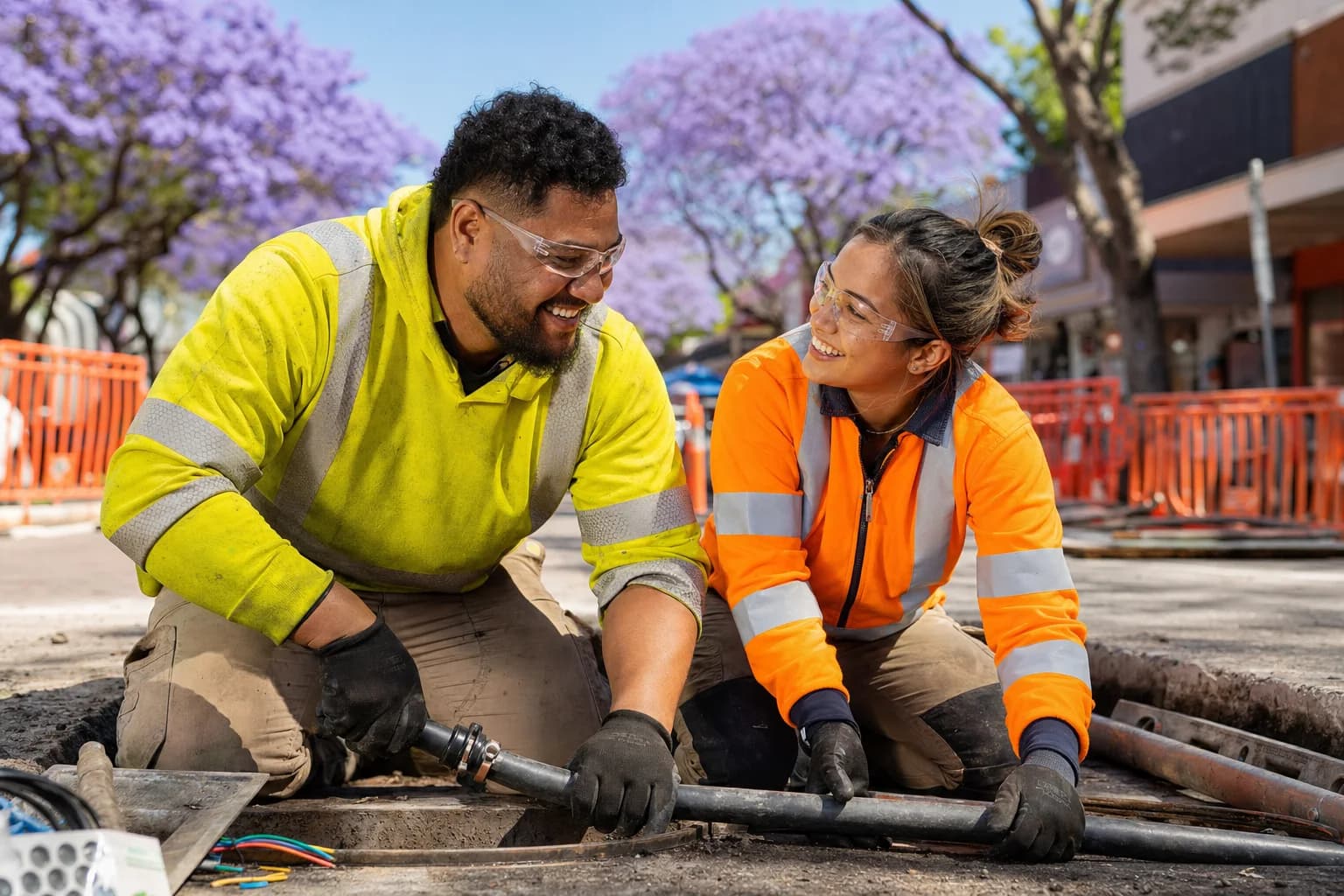
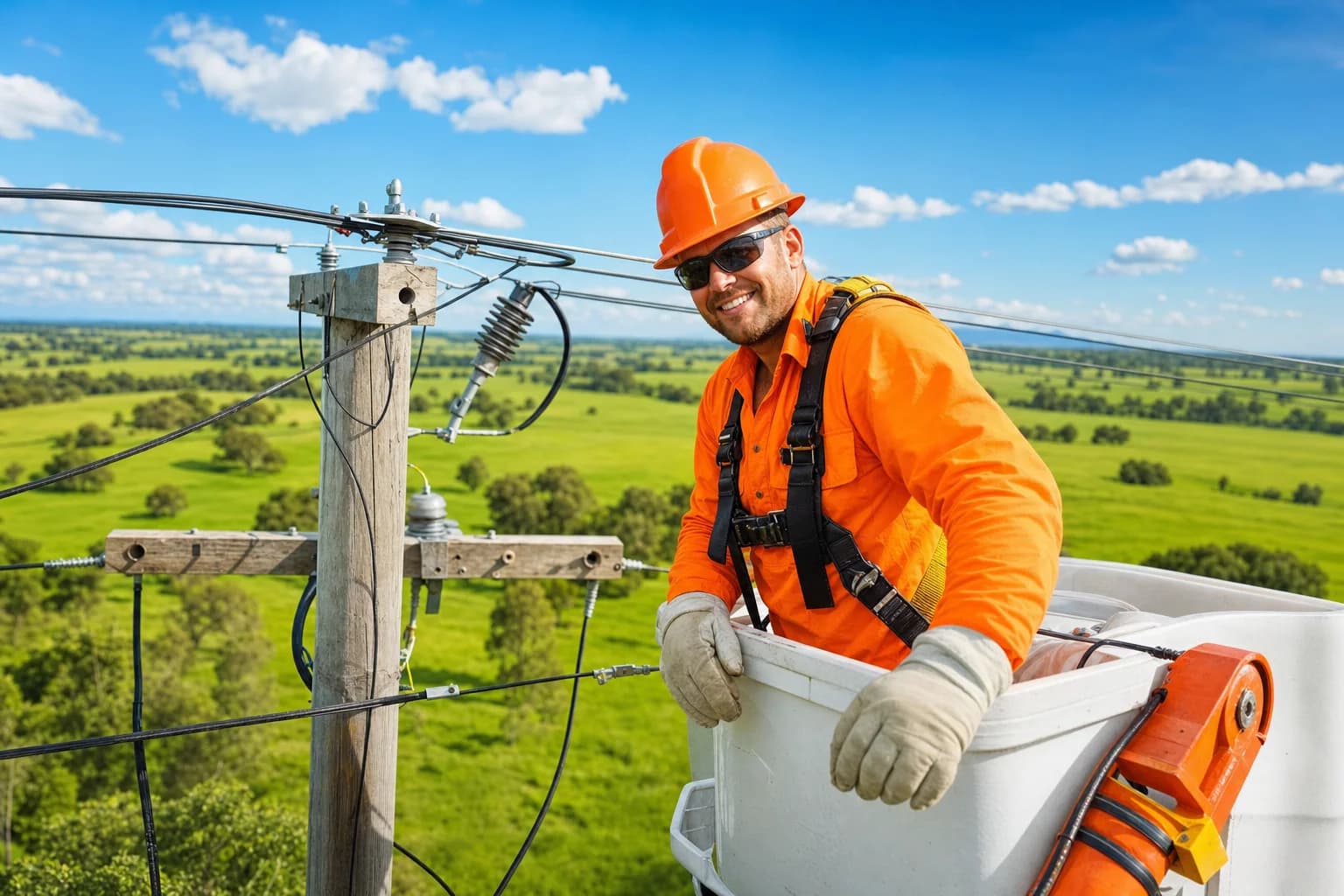
A lineworker installs, maintains, repairs and patrols the sub-transmission and distribution network. On the overhead side that means setting poles, fitting cross arms and pole hardware, stringing and tensioning conductors, and hanging transformers, circuit breakers and streetlights. On the underground side it means laying, jointing and terminating cables. Day-to-day work also includes routine maintenance, low voltage switching and keeping street lighting running.
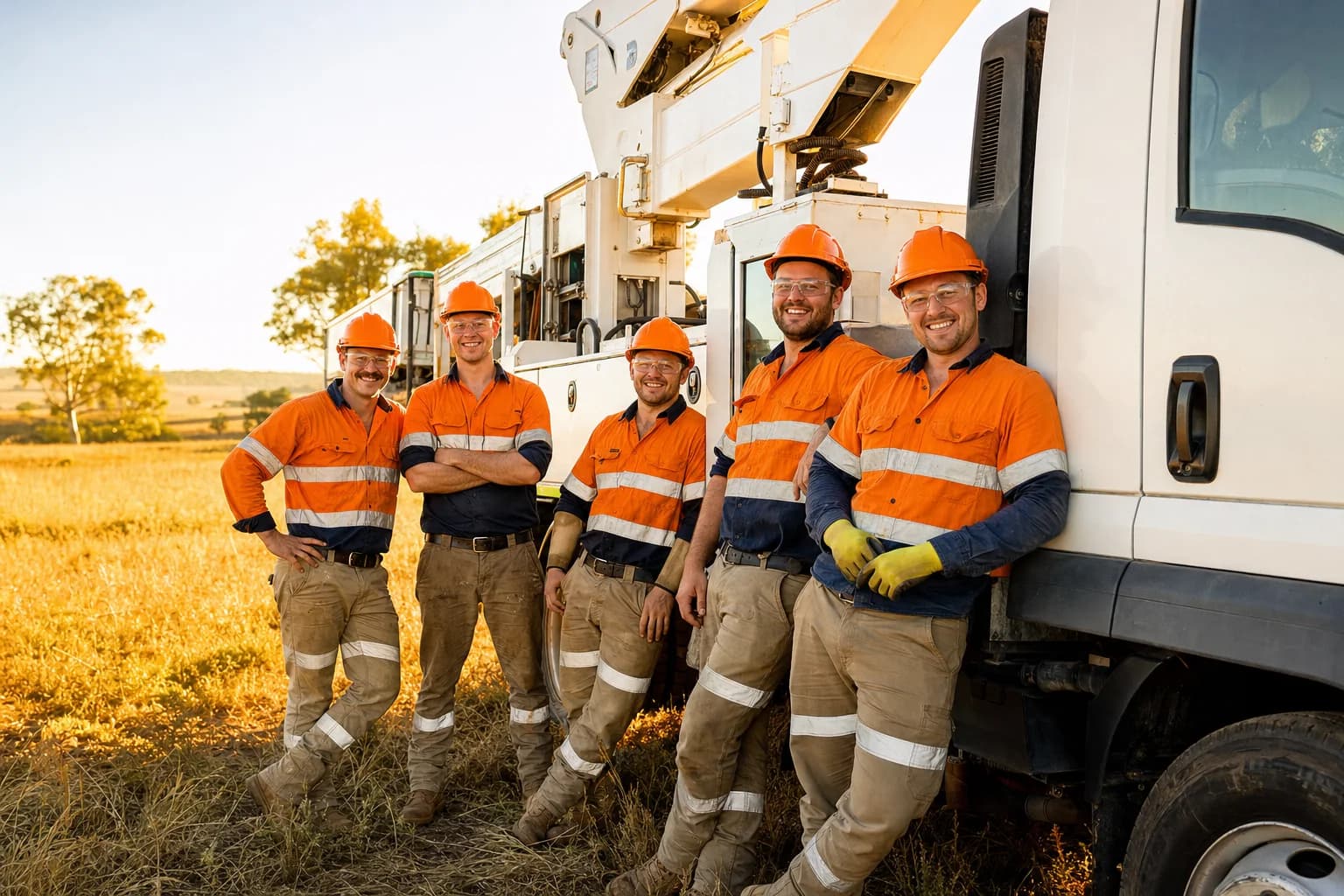
You use line-testing gear to track down faults, and you work off ladders and elevated work platforms at the top of the pole. Gloves, boots, hard hat, glasses and hi-vis are standard. Nearly everyone in the trade works full-time. The 2021 Census put the average full-time week at 44 hours, and about 82 per cent of lineworkers hold a Certificate III or IV as their highest qualification.
Storms, call-outs and conditions
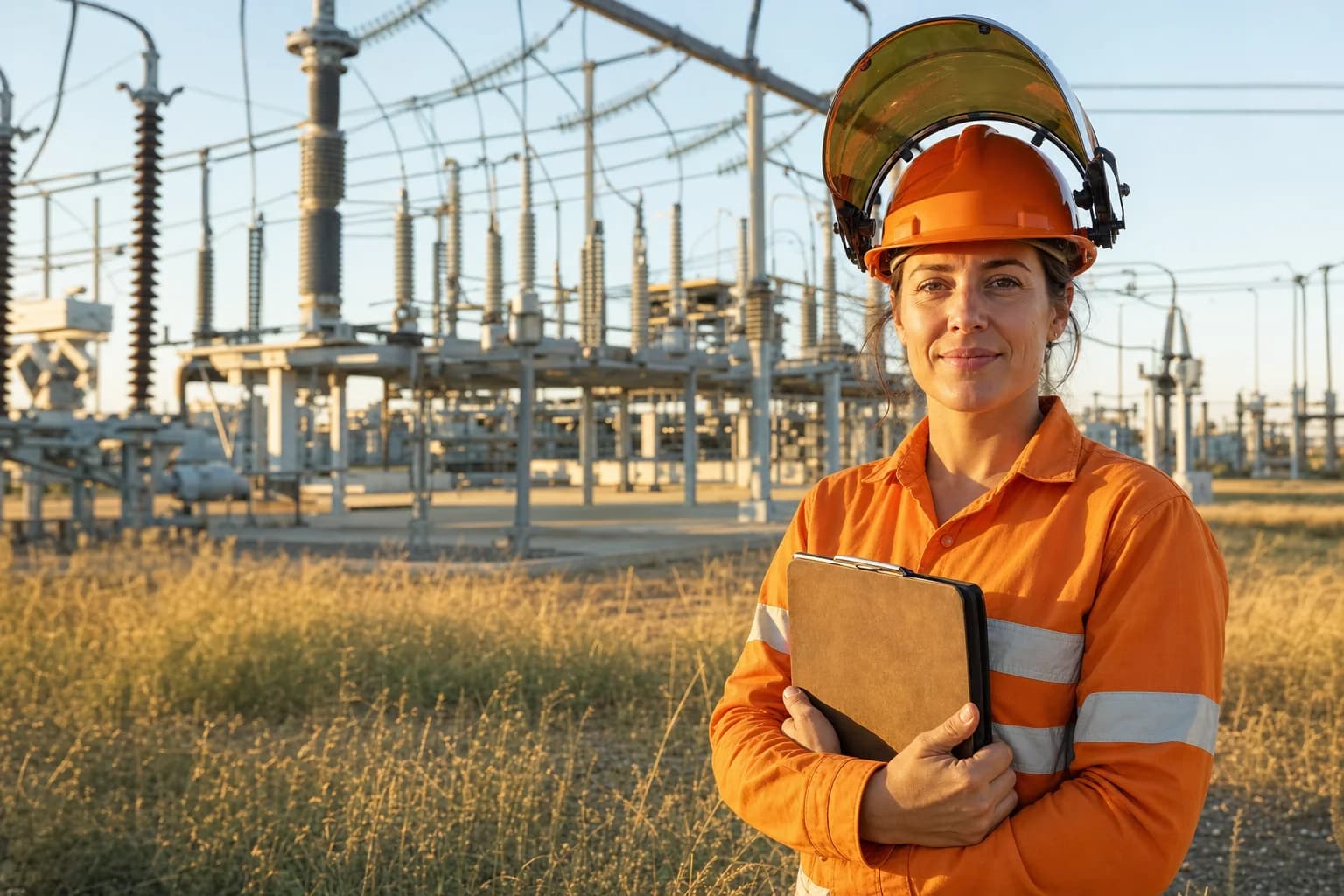
This is outdoor work in most weather, at height, near very high voltage. The safety rules are strict because the margin for error is small. When a storm brings live wires down, lineworkers are the crews sent out to make the area safe and get the power back on.
Expect shift work that can include nights and weekends, and expect an on-call roster for faults outside normal hours. In Western Australia, Western Power runs the network in the South West and a second utility covers supply across the rest of the state. Some large remote users, such as mine sites, run private networks that also employ line crews.
Overhead or underground: which Certificate III?
The distribution trade splits into two streams. Certificate III in ESI - Distribution Overhead (UET30621) is the poles-and-wires qualification. It replaced UET30619, the older Power Systems version. Certificate III in ESI - Distribution Underground (UET30821) is the cable jointing stream and replaced UET30819. Related streams cover transmission overhead (UET30521) and rail traction (UET30721).
In Victoria, each of these is an apprenticeship with a maximum duration of 48 months full-time or 72 months part-time and a 90-day probation period. None of them is open as a school-based apprenticeship in Victoria, so you start once you leave school. Western Australia's careers service also gives 48 months as the usual length for the powerline and transmission apprenticeships.
Licences once you finish
Finishing the apprenticeship is not enough to work on the network on your own. You also need the state licence for line work. Energy Safe Victoria brought in a lineworker licensing scheme on 1 January 2021 with four classes: Distribution (D), Transmission (T), Rail Traction (R) and Cable Jointing (C). Each class needs a completed four-year contract of training, including at least 12 months doing that class of work, plus the matching Certificate III.
In Queensland, the Electrical Safety Office issues an electrical linesperson licence. A distribution overhead qualification leads to a linesperson licence restricted to distribution. Underground cable jointers apply for a separate electrical jointer licence.
Pay
AUD a year, before tax. Modelled estimates for the high voltage and power utilities category, built from ABS Employee Earnings and Hours (May 2025) and moved to 2026 with a wage index. State figures are modelled, and overtime, on-call allowances and storm work move actual earnings. Refer to the High Voltage, Power & Utilities salary guide for figures from live adverts.
What you need
- Apprenticeship with an employerYou need a network business or line contractor to take you on as an apprentice. In Victoria the maximum term is 48 months full-time or 72 months part-time.
- Certificate III in ESIUET30621 Distribution Overhead for poles and wires, or UET30821 Distribution Underground for cable jointing.
- State lineworker licenceVictoria licenses lineworkers in classes D, T, R and C. Queensland issues an electrical linesperson licence, and an electrical jointer licence for cable jointers.
- Rescue and CPR currencyQueensland's licensing guide says linesperson applicants must have completed CPR and pole top or tower rescue training within the last 12 months.
- Work at height in all weatherThe job is outdoors, up poles and on elevated platforms, close to high voltage, with shift work and on-call rosters.
- English literacyQueensland requires licence applicants to read, write and understand English well enough without an interpreter.
State by state
| Victoria | Energy Safe Victoria has licensed lineworkers since 1 January 2021 in four classes: Distribution, Transmission, Rail Traction and Cable Jointing. Each needs a four-year contract of training with at least 12 months in that class of work, plus the matching Certificate III. |
|---|---|
| Queensland | The Electrical Safety Office issues an electrical linesperson licence. A distribution overhead qualification gives a licence restricted to distribution, and cable jointers apply for an electrical jointer licence. |
| Western Australia | Western Power runs the network in the South West and a second utility covers the rest of the state. The powerline and transmission apprenticeships usually take 48 months. |
How to get there
- Before year 1Land an apprenticeshipApply to a distribution network business or a line contractor. In Victoria these qualifications are not offered as school-based apprenticeships.
- Start of year 1Choose your streamOverhead (UET30621) for poles and wires, or underground (UET30821) for cable jointing.
- Years 1-4Train on the job and at the RTOLearn pole work, conductor stringing, equipment installation, switching and rescue under supervision.
- End of year 4Get your state licenceApply for the lineworker class or linesperson licence that matches your qualification and logged experience.
- Year 5 onWork the rosterJoin a crew on maintenance, new connections and storm and fault call-outs, including nights and weekends.
- Year 6 onBranch outAdd another class such as transmission or cable jointing, or move toward supervising crews.
Open now on ElectricalRoles.com.au


Questions people ask
How long does it take to become a lineworker?
Plan on about four years. In Victoria the overhead and underground distribution apprenticeships run for a maximum of 48 months full-time or 72 months part-time. Energy Safe Victoria wants evidence of a four-year contract of training before it will issue a lineworker licence.
Do I need to be an electrician first?
No. Line work is a separate trade with its own Certificate III in the ESI (electricity supply industry) training package. In Queensland, a licensed electrical mechanic can apply to add a linesperson licence through a separate eligibility pathway, and may have to do extra training first.
What is the difference between a lineworker and a cable jointer?
Overhead lineworkers build and maintain poles, conductors and pole-mounted equipment. Cable jointers join and terminate underground cables. Each has its own qualification (UET30821 for underground) and its own licence: Cable Jointing class C in Victoria, and the electrical jointer licence in Queensland.
How much do lineworkers earn?
Modelled pay for the high voltage and power utilities category is about $146,700 a year nationally and about $160,500 in Western Australia. These figures are estimates built from ABS earnings data and do not come from an award. On-call allowances and overtime during storms can push take-home pay up.
Can I do a lineworker apprenticeship while still at school?
Not in Victoria. The VRQA lists the transmission, distribution overhead, rail traction and distribution underground Certificate IIIs as unavailable for school-based apprenticeships, so you start after you leave school.
Sources
- training.gov.au: UET30621 Certificate III in ESI - Distribution Overhead
- training.gov.au: UET30821 Certificate III in ESI - Distribution Underground
- VRQA: Transmission, distribution and rail sector apprenticeships
- Energy Safe Victoria: Lineworker's licence
- WorkSafe Queensland: Classes of licences
- Electrical Safety Office (Qld): Electrical licensing eligibility guide
- Jobs and Skills Australia: Electrical Linesworkers (ANZSCO 342211)
- Jobs and Skills WA: Electrical linesworker