What does a cable jointer do day to day?
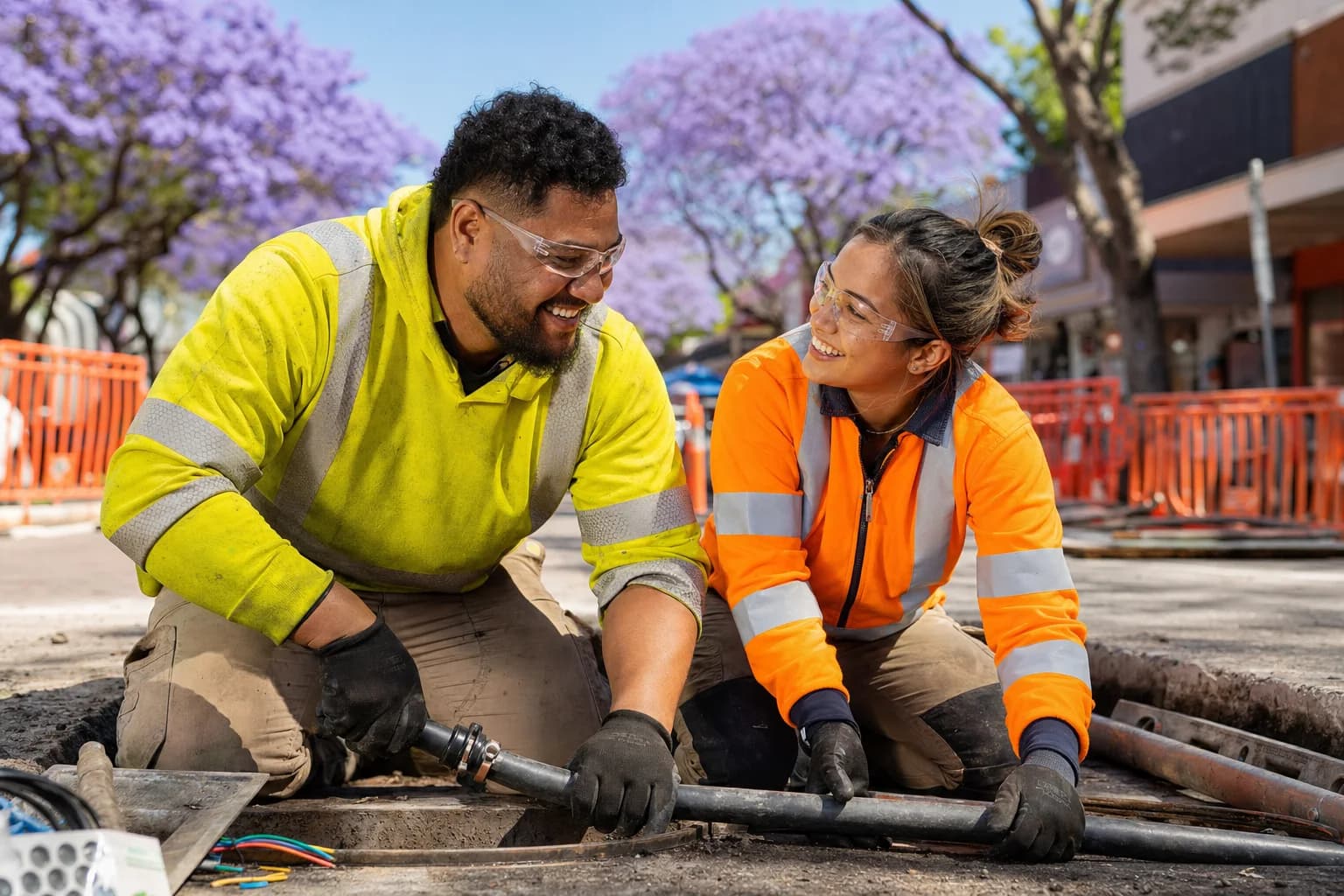
A cable jointer works on the underground part of the power network. You pull new cable through conduits and trenches, make joints where two lengths meet, and terminate cable onto transformers, switchgear and overhead lines. The national qualification covers low voltage and high voltage underground cables, plus services and the equipment they connect to. When a cable fails, you are the person who locates the fault, cuts out the damaged section and joints in a repair.
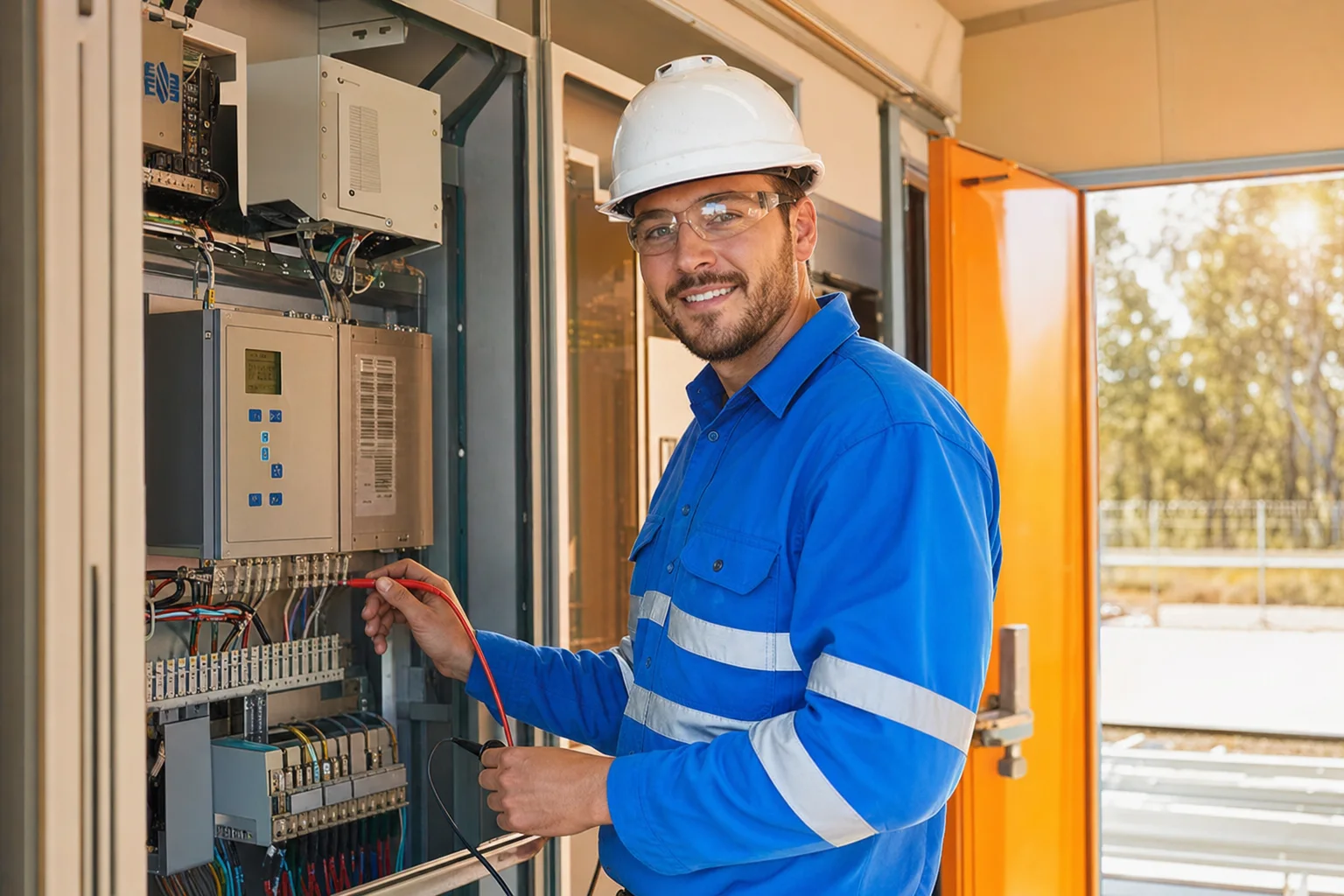
Testing is a big part of the job. Jointers use multimeters, insulation resistance testers and specialised cable test gear to check a cable is sound before it goes back into service. Some jointers also install and maintain transformers and substation equipment, do low voltage switching, and handle meter installation. Some jointers also train to joint energised low voltage cable. This is an elective in UET30821, not a core unit, and the training is heavy on safety near live apparatus.
Where the work happens: pits, trenches and substations
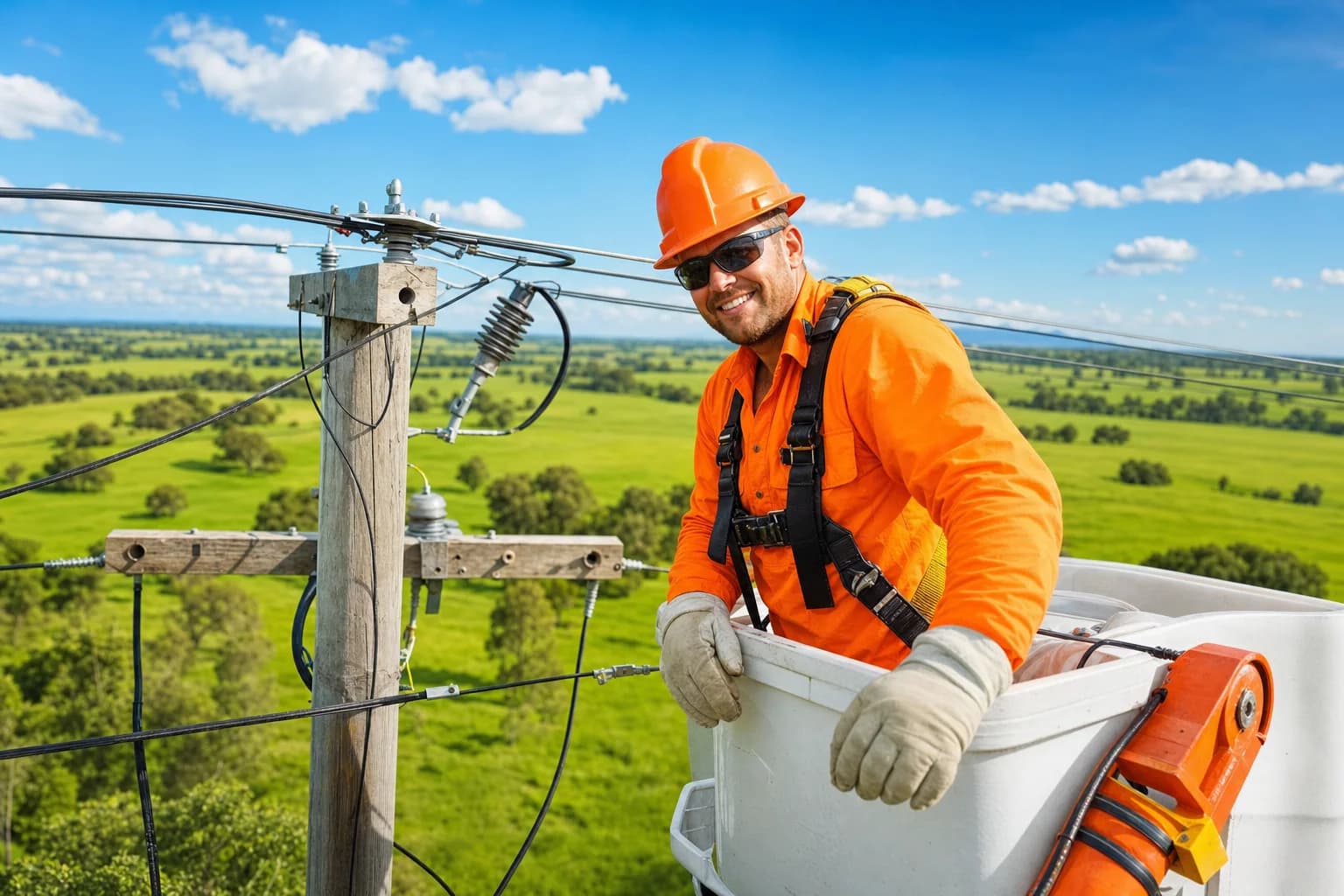
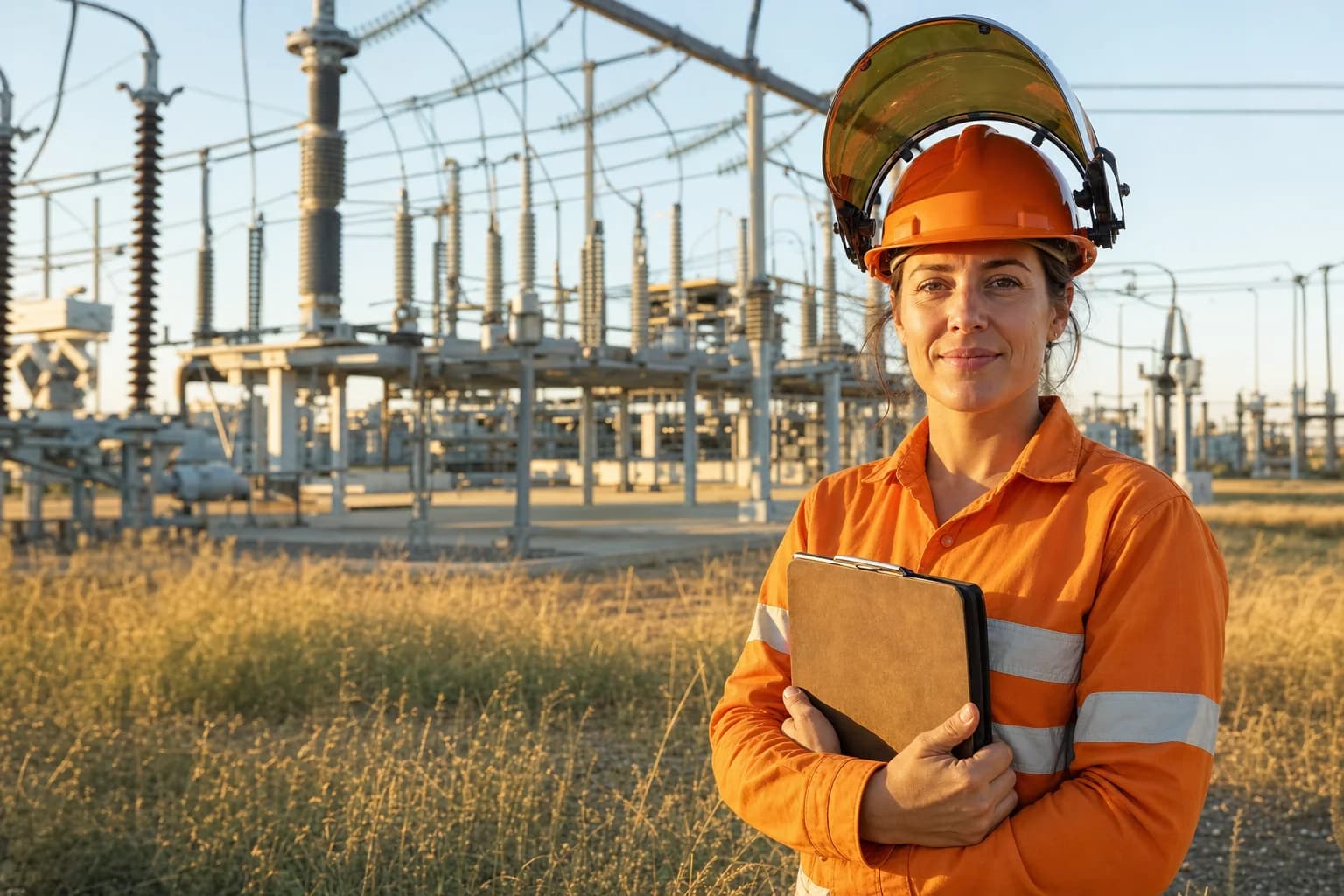
Most of the day is spent outdoors in whatever weather turns up. You will work in trenches, cable pits and confined spaces, and inside substations. Specialised protective gear is needed for some tasks. Plant work is common too: elevated work platforms, hydraulic tools and other machinery near live apparatus. Employers include government-owned network operators, specialist jointing contractors, electrical contractors, and large companies that run their own private networks.
Breakdowns do not keep office hours, so on-call rosters are normal. A Sydney Trains HV cable jointer role advertised in NSW asked for night shift, weekend work, overtime, on-call availability and time living away from home when required. If you want predictable nine-to-five hours, this is the wrong trade. If you like hands-on fault finding and a team that gets called when the lights go out, it suits.
The qualification and how licensing works
The current qualification is UET30821 Certificate III in ESI - Distribution Underground. It has 23 units, 18 of them core, including jointing, terminating and maintaining HV and LV polymeric cable, working safely near live apparatus, and installing LV underground services. It replaced UET30819 Certificate III in ESI - Power Systems - Distribution Cable Jointing. There are no entry requirements, but you need an employer to take you on as an apprentice.
Licensing depends on the state. Queensland issues a separate electrical jointer licence that covers specialist installing, jointing and terminating of cables, including high voltage cable. South Australia registers workers for electrical cable jointing work based on a power cable trade certificate or a recognised ESI cable jointing qualification. Being licensed is the legal minimum. Your employer and the network you work on will also put you through their own inductions before you touch their assets.
What do cable jointers earn?
The modelled figure for high voltage and power utilities work is about $146,700 a year nationally, with Western Australia highest at around $160,500 and Tasmania lowest at about $129,600. These figures come from ABS earnings data moved forward with a wage index, so treat them as a guide to the field, not a promise for any job.
Base rates in advertised jobs can sit well under those totals. The Sydney Trains HV cable jointer role was advertised at $1,325.75 to $1,484.85 a week. The gap between base pay and real earnings in this trade usually comes from shift penalties, overtime, on-call allowances and travel. Jobs and Skills Australia counts only about 580 technical cable jointers employed, so it is a small, specialised workforce.
Pay
AUD a year, before tax. Modelled figures are for high voltage and power utilities work, based on ABS Employee Earnings and Hours (May 2025) moved to 2026 with a wage index; state figures are modelled. Shift penalties, overtime, on-call and travel allowances move real earnings well above advertised base rates. Refer to the High Voltage, Power & Utilities salary guide for figures from live adverts.
What you need
- QualificationUET30821 Certificate III in ESI - Distribution Underground, which covers LV and HV underground cables, services and equipment. It has 23 units, 18 of them core.
- ApprenticeshipUsually an ESI cable jointing apprenticeship of about 48 months, mixing paid work with structured training at an RTO such as TAFE.
- Queensland licenceAn electrical jointer licence, gained through UET30821 after an apprenticeship. Licences run for five years.
- South Australia registrationElectrical cable jointing work registration needs a power cable trade certificate or interstate equivalent, or a recognised ESI cable jointing qualification such as UET30812 or UET30819.
- Safety competenciesThe core units include working safely near live electrical apparatus and operating plant near live apparatus.
- Working conditionsBe ready for outdoor work, confined spaces, specialised protective gear and on-call emergency rosters.
State by state
| Queensland | A separate electrical jointer licence covers specialist cable installing, jointing and terminating, including HV cable. UET30821 leads to the licence. It can carry a polymeric restriction, which is lifted by completing UETDRDU014, UETDRDU012 and UETDRDU019 (the LV and HV paper-insulated cable units and the HV paper-to-polymeric transition joint unit). |
|---|---|
| South Australia | Consumer and Business Services registers workers for electrical cable jointing work. You need a Trade Certificate - Electrical Tradesperson (Power Cable) or interstate equivalent, or a recognised ESI cable jointing qualification such as UET30812 or UET30819. |
How to get there
- StartLand an ESI apprenticeshipApply to network operators, specialist jointing contractors or large private network owners that take on underground apprentices.
- Year 1Learn the electrical basicsEarly units cover circuit theory, AC circuits, drawings and work health and safety, alongside safe work near live apparatus.
- Years 2-4Joint LV and HV polymeric cableBuild skill in jointing, terminating and maintaining LV and HV polymeric cable, LV services and electrical apparatus under supervision.
- About year 4Finish UET30821 and get licensedComplete the Certificate III and apply for the licence or registration your state requires, such as Queensland's electrical jointer licence.
- Post-tradeAdd paper-insulated cable skillsIn Queensland, the paper cable and transition jointing units lift the polymeric restriction. Older networks still have plenty of paper cable to work on.
- Year 5+Move into HV, rail or supervisionExperienced jointers take on HV construction, rail traction networks, substation work or leading hand roles.
Open now on ElectricalRoles.com.au


Questions people ask
What qualification do you need to be a cable jointer?
The current national qualification is UET30821 Certificate III in ESI - Distribution Underground. It trains you as a distribution underground cable jointer working on LV and HV cables. Most people complete it through an apprenticeship.
How long does it take to become a cable jointer?
The ESI cable jointing apprenticeship usually runs about 48 months. You are paid throughout and split your time between on-the-job work and training with an RTO.
Is a cable jointer the same as an electrician?
No. An electrician holds UEE30820 and, in Queensland, an electrical mechanic licence. A jointer holds UET30821 and a jointer licence. In Queensland, moving from jointer to electrical mechanic needs a separate apprenticeship and qualification.
Do cable jointers work on live cables?
Some do. Jointing energised LV cable is an elective in UET30821, not a core unit. Every jointer completes the core unit on working safely in the vicinity of live electrical apparatus.
What is the polymeric restriction in Queensland?
A new Queensland electrical jointer licence can carry a restriction to polymeric cable. You lift it by completing units on LV and HV paper-insulated cable and transition joints between paper and polymeric cable.
How much does a cable jointer earn?
Modelled pay for HV and power utilities work is about $146,700 a year nationally and around $160,500 in Western Australia. Advertised base rates can be lower, with shifts, overtime and on-call making up the difference.
Sources
- training.gov.au: UET30821 Certificate III in ESI - Distribution Underground
- training.gov.au: UET30821 qualification details
- JobsWA: Technical cable jointer
- Jobs and Skills Australia: Technical Cable Jointers (342212)
- WorkSafe Queensland: Classes of licences
- WorkSafe Queensland: Electrical Licensing Eligibility Guide
- Business Queensland: Classes of electrical work licences
- Consumer and Business Services SA: Electrical qualifications guidelines
- Transport for NSW careers: Sydney Trains HV Cable Jointer
- TAFE NSW: Certificate III in ESI - Distribution Underground