What does the job involve day to day?
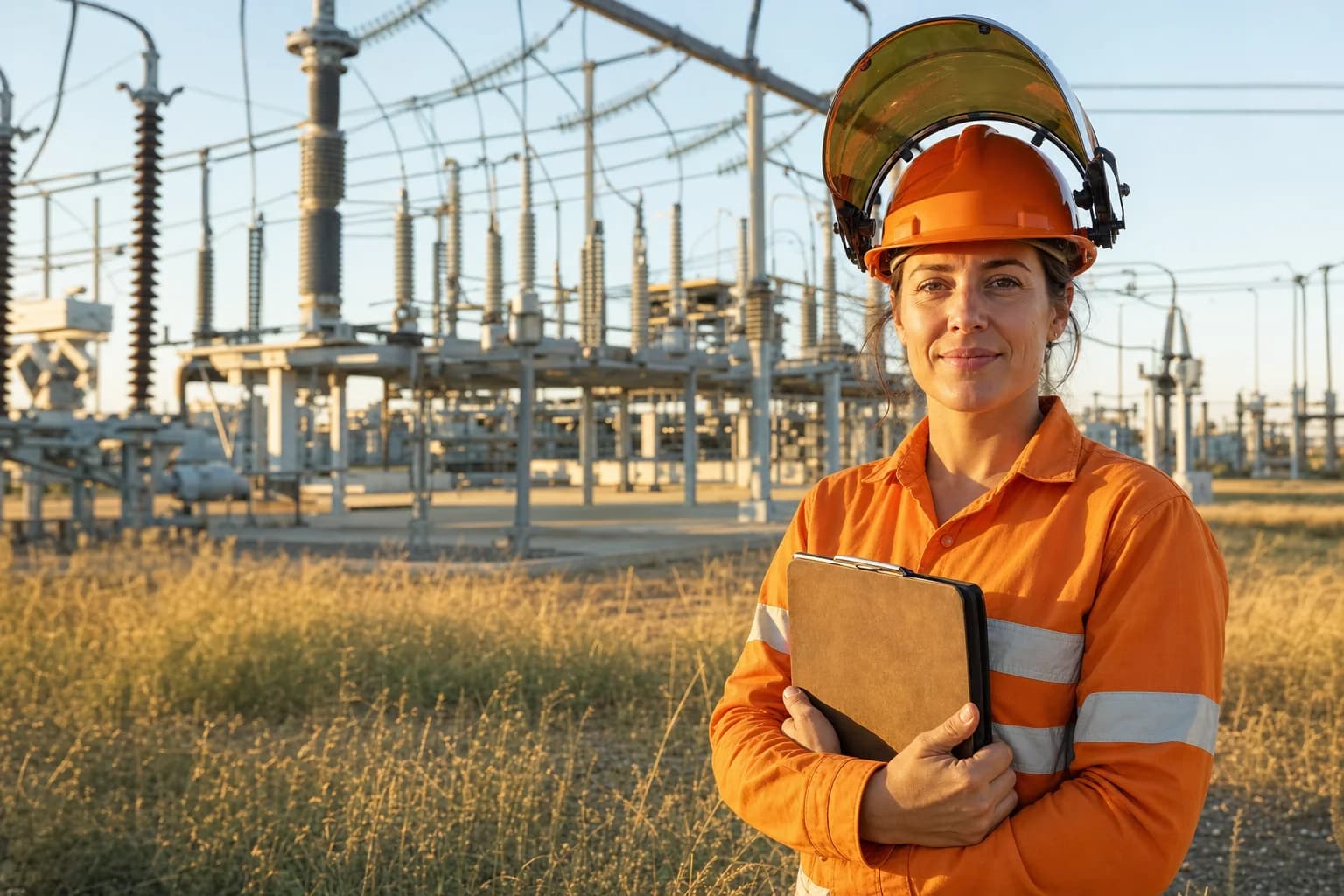
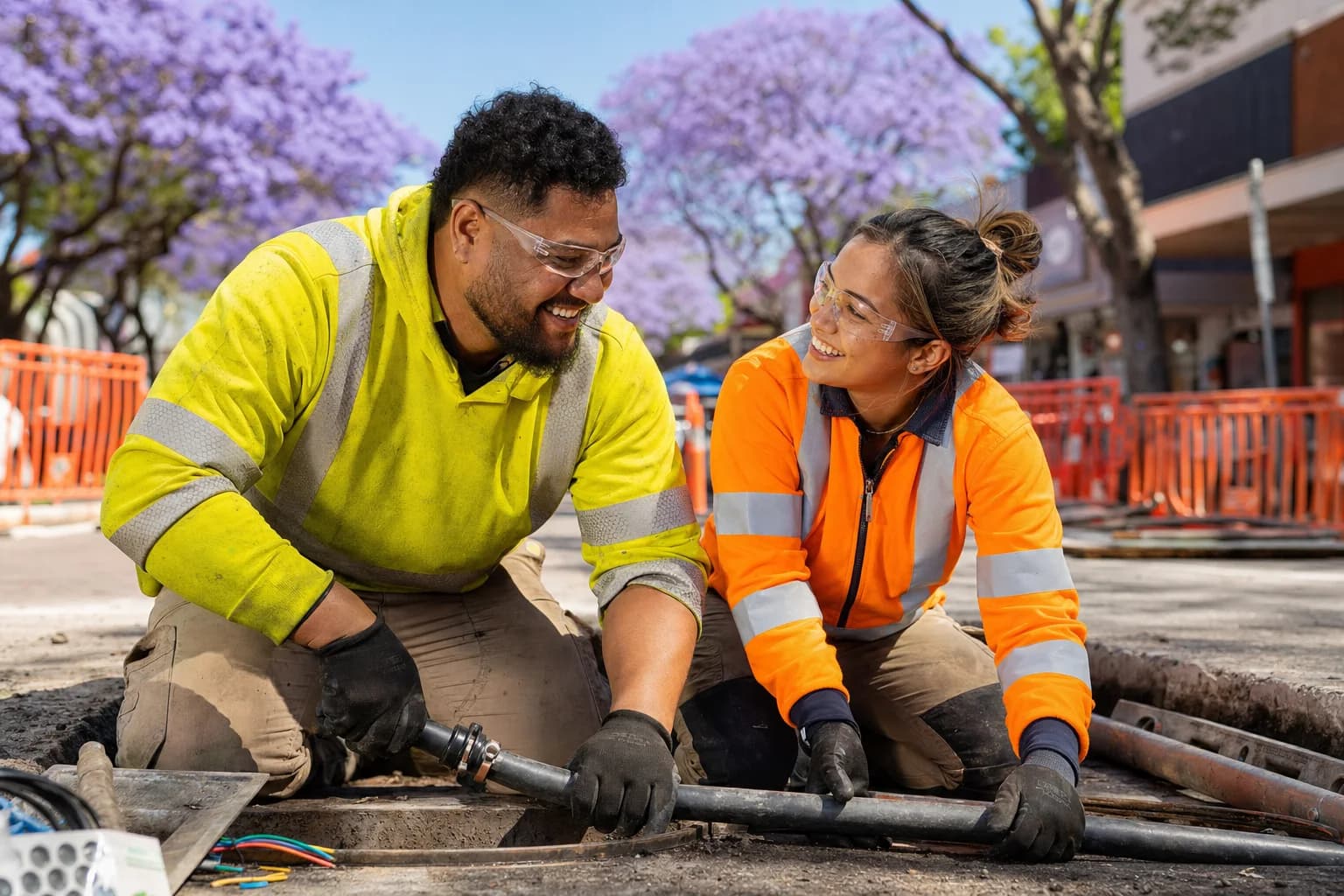
Substations step voltage up or down between transmission lines, distribution networks and big users such as rail. The technician keeps that equipment working. Sydney Trains describes its substation apprentices installing and maintaining gear in high voltage rail substations, including rectifiers, transformers, and high and low voltage switchgear. The same apprentices also do general lighting and power work and service electrical appliances, so ordinary electrical skills stay part of the job.
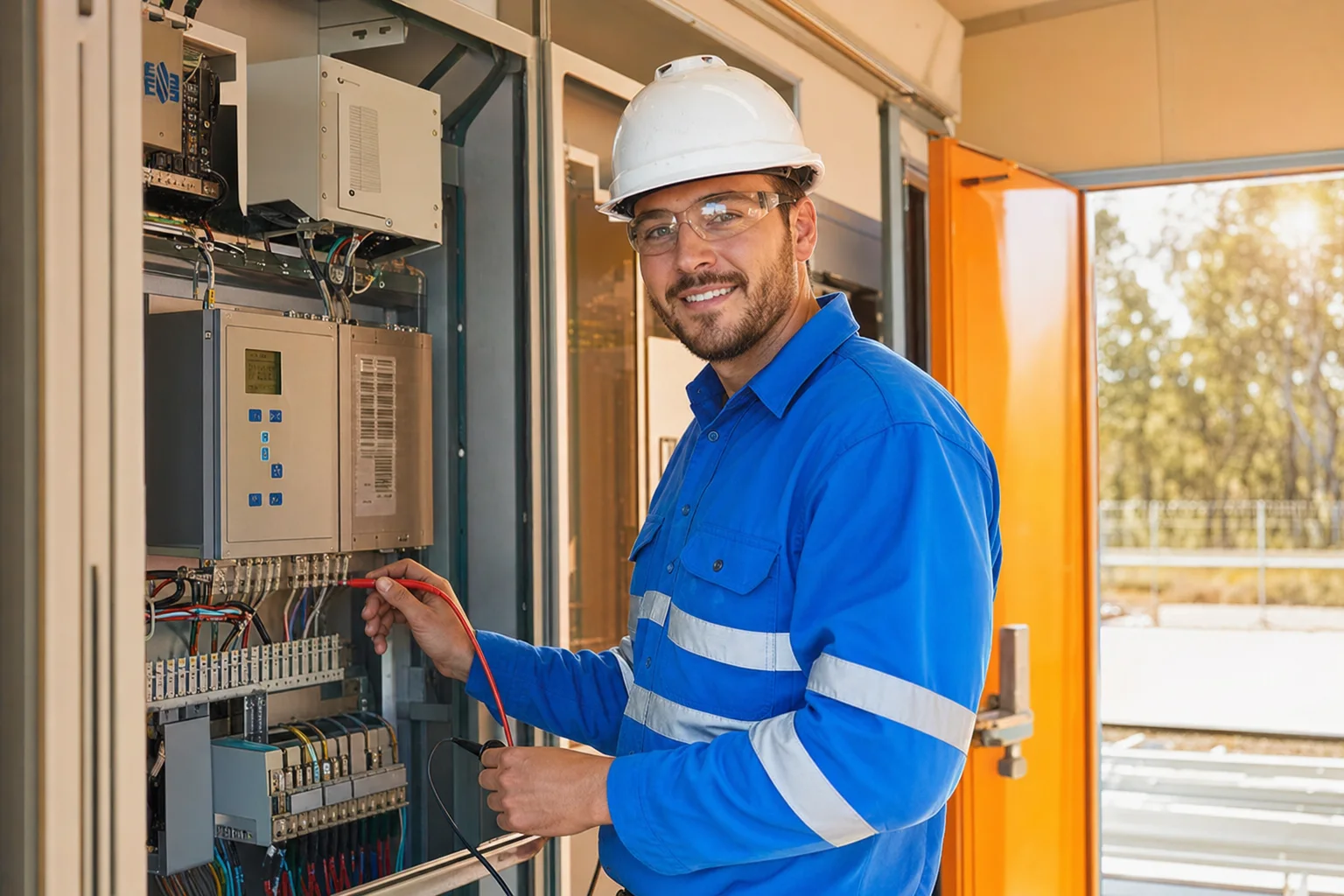
Inspection is a big share of the routine work. The national inspection unit covers plant, equipment and auxiliaries in and around substations, along with environmental protection, site security and safety systems. In practice that means scheduled checks, recording what you find, and coming back for repairs. Testing, fault finding and setting up new equipment make up the rest of the week.
Where do protection and commissioning fit?
The Certificate IV in ESI - Substations is built around selecting, installing, setting up, testing, fault finding and maintaining equipment in power system substations. That is the hands-on layer of testing and commissioning. You run the tests, put equipment into service and track down faults.
Designing the tests is higher-level work. Advanced Diploma qualifications in the power systems stream have included units on evaluating substation faults and designing testing and commissioning procedures for field devices and substations. The current training package also has a unit on project managing substation augmentation. If you want to move into protection, commissioning lead or planning roles, that is the ladder: the Certificate IV, then UET60222 Advanced Diploma of ESI - Power Systems.
How do you get in?
Most people first qualify as electricians, often through an apprenticeship with a network, transmission or rail operator, and then complete UET40522, which is a post-trade qualification for electricians. Sydney Trains runs a dedicated substations apprenticeship. Apprentices rotate every six months across depots such as Strathfield, Clyde, Hornsby, Gosford, Sydenham and Wollongong, with an external rotation to industry in second year. That rotation matters because you see different switchyards, equipment ages and maintenance habits.
If you are already a qualified electrician, you meet the entry requirement for UET40522, the post-trade substations qualification, and can move into high voltage substation work. Look for substation maintenance or technician roles with network and rail operators, and ask whether the employer will support you through the Certificate IV while you work.
What does it pay?
Our modelled figure for high voltage and power utilities work is about $146,700 a year nationally. It runs from about $129,600 in Tasmania to about $160,500 in Western Australia. These figures come from ABS earnings data and are modelled for each state, so treat them as a guide. Your actual pay depends on the employer's enterprise agreement, on-call rosters, overtime and travel to remote sites. Apprentices earn much less. The electrical contracting award sets first-year apprentices at $559.55 a week, but utility and rail employers often pay under their own agreements.
Pay
AUD a year, before tax. Based on ABS Employee Earnings and Hours (May 2025) for high voltage and power utilities work, moved to 2026 with a wage index. State figures are modelled estimates, not official rates. Enterprise agreements, on-call allowances, overtime and remote work push actual earnings up or down. Refer to the High Voltage, Power & Utilities salary guide for figures from live adverts.
What you need
- Electrician tradeSubstation work is an electrician specialisation. Most people complete an electrical apprenticeship first, often with a network, transmission or rail operator.
- Substation qualificationUET40522 Certificate IV in ESI - Substations is the national post-trade qualification for electricians working in power system substations. It replaced UET40521 Certificate IV in ESI - Power Systems Substations.
- General electrical skillsSubstation crews also install and maintain ordinary lighting, power and appliances, so you need solid low voltage skills as well as HV knowledge.
- Inspection and safety systemsYou need to be competent at inspecting substation plant and auxiliaries, including environmental protection, site security and safety systems.
- Higher qualifications for design workUET60222 Advanced Diploma of ESI - Power Systems is the next level after the Certificate IV and leads towards fault evaluation, test design and project work.
How to get there
- Years 1-4Qualify as an electricianComplete an electrical apprenticeship, often with a network, transmission or rail operator. Sydney Trains, for example, runs a substations apprenticeship.
- During apprenticeshipRotate through depotsWork across different substations and depots. At Sydney Trains, rotations change every six months, with an industry rotation in second year.
- After tradeComplete UET40522Finish the post-trade Certificate IV in ESI - Substations, covering installation, setup, testing, fault finding and maintenance.
- Following yearsBuild testing and commissioning experienceTake on more of the testing, fault finding and commissioning of new or replaced equipment.
- Later careerStudy the Advanced DiplomaUET60222 Advanced Diploma of ESI - Power Systems is the next qualification up from the Certificate IV.
Open now on ElectricalRoles.com.au


Questions people ask
Is a substation technician the same as an electrician?
A substation technician is usually a qualified electrician who specialises in high voltage substation plant such as transformers, rectifiers and switchgear, and adds the post-trade UET40522 Certificate IV in ESI - Substations. They still do general lighting and power work inside substation sites.
What qualification do substation technicians hold?
The national qualification is UET40522 Certificate IV in ESI - Substations, a post-trade qualification for electricians. It covers selecting, installing, setting up, testing, fault finding and maintaining equipment in power system substations. It replaced UET40521.
How much does a substation technician earn?
Our modelled figure for high voltage and utilities work is about $146,700 a year nationally. It ranges from about $129,600 in Tasmania to about $160,500 in Western Australia. Enterprise agreements, on-call work and overtime make a big difference.
Can I become a substation technician through rail?
Yes. Sydney Trains offers a substations apprenticeship where apprentices maintain high voltage rail substation gear, including rectifiers and switchgear. Apprentices rotate across Sydney and regional depots every six months.
How do I move into protection or commissioning design?
Start with the Certificate IV and get years of hands-on testing behind you. Then study UET60222 Advanced Diploma of ESI - Power Systems. The advanced stream has included units on substation fault evaluation and designing test and commissioning procedures.
Sources
- training.gov.au: UET40522 Certificate IV in ESI - Substations
- Skills NSW: Certificate IV in ESI - Substations
- Transport for NSW: Sydney Trains apprenticeship disciplines
- training.gov.au: UETTDRSB22A Carry out power systems substation inspection
- training.gov.au: UET50221 Diploma of ESI - Power Systems (deleted)
- training.gov.au: UET60212 Advanced Diploma of ESI - Power Systems
- training.gov.au: UET Transmission, Distribution and Rail Sector Release 3.0