Battery Install Waits: Why Sparkies Are the Bottleneck
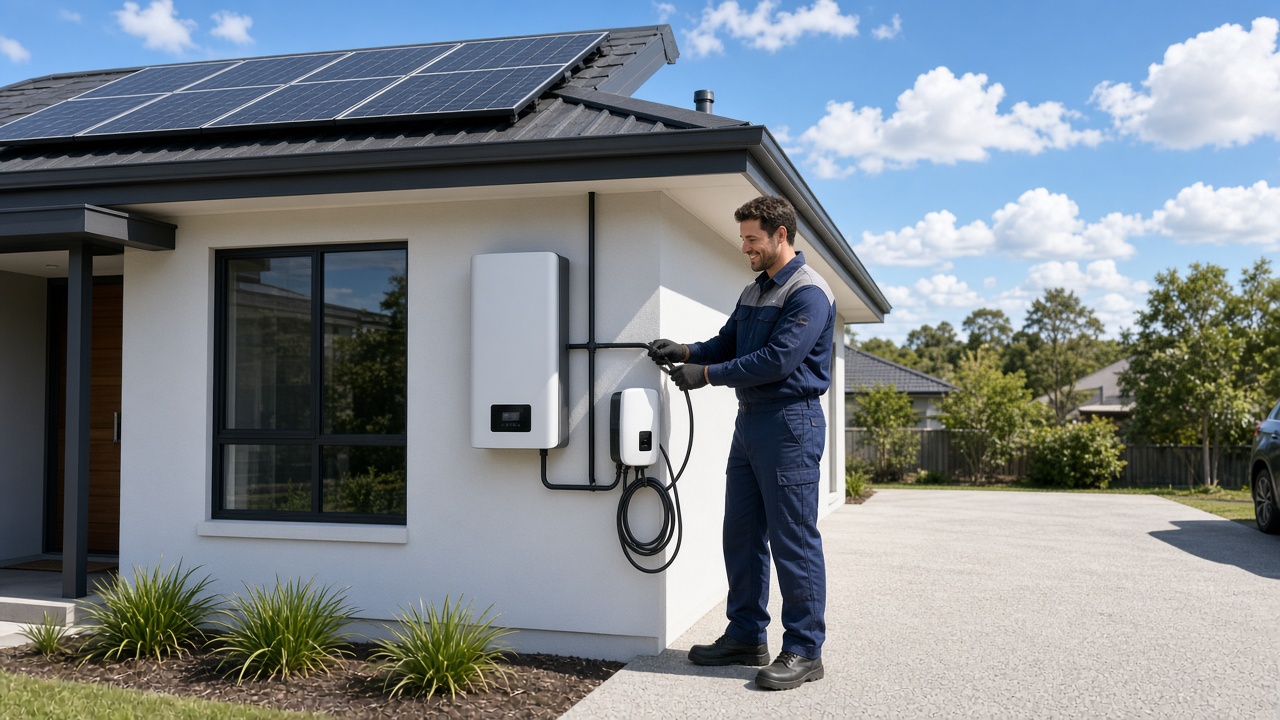
Home battery installs are booked out for months. Installer capacity, not stock, is the bottleneck — and GCBS-accredited sparkies are in demand.
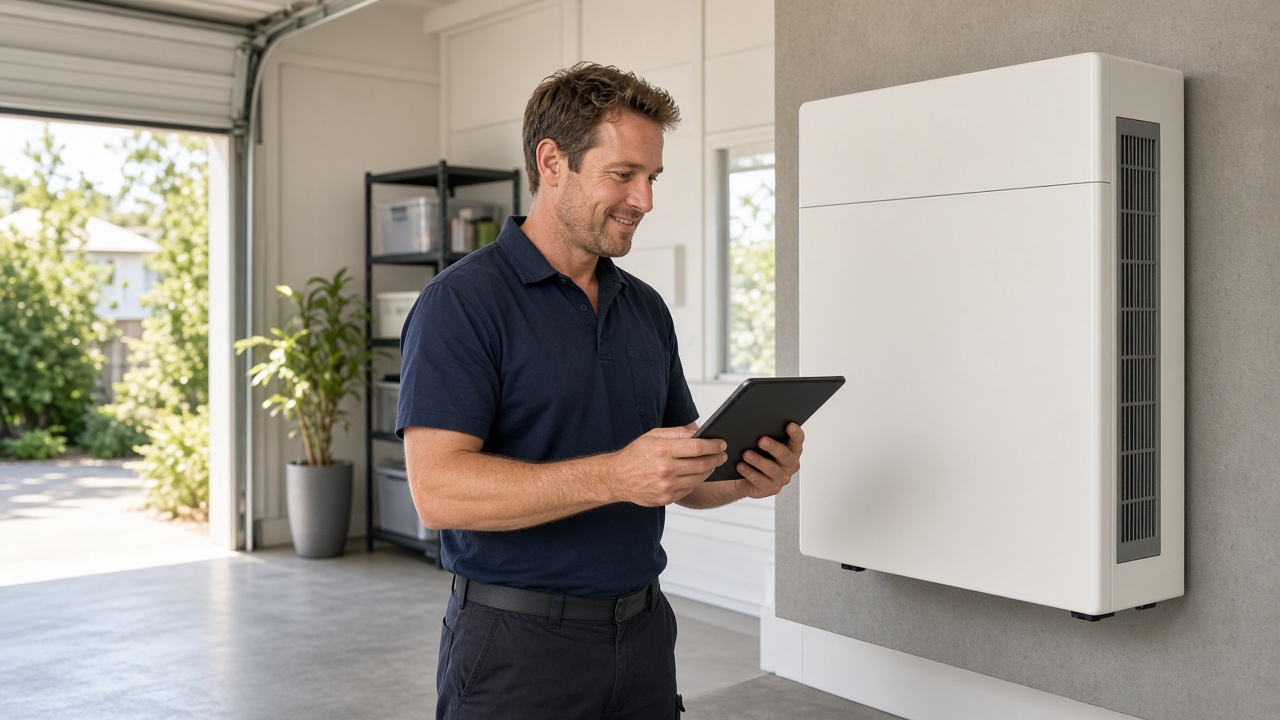
If you have been waiting months for a home battery install, you are not alone — and the hold-up is rarely the battery itself. Across Australia the Cheaper Home Batteries Program has lit a fuse under demand, but the real constraint is licensed, battery-accredited sparkies who can actually put systems on walls.
That is frustrating for homeowners. For electricians with the right tickets, it is one of the clearest career signals we have seen all year.
Installer capacity is the bottleneck
Industry reporting from SolarQuotes and EcoGeneration has been blunt: reputable installers are booked out eight to ten weeks, with some quotes stretching into May. Graeme Galletly at Goliath Solar & Electrical and Caleb Davey at Expert Electrical QLD have both pointed to installer capacity — not battery stock — as the main constraint.
That matches what we hear from employers. Households want storage. Manufacturers can ship product. What they cannot magic up overnight is a sparky with an unrestricted electrical licence, SAA Grid-Connected Battery Systems (GCBS) accreditation, and a diary that still has empty weeks.
Sunwiz data cited in recent coverage showed a record 1.2 GWh of home batteries registered via the program in February. Even allowing for that being a boom month rather than a steady run-rate, the direction of travel is obvious. Demand is not cooling off.
The accreditation gap most sparkies still have
Here is the practical bit many tradespeople miss. Plenty of electricians already hold SAA Grid-Connected PV (GCPV) solar accreditation. Far fewer hold the battery-specific GCBS ticket that rebate-eligible installs require.
The path is straightforward if a bit tedious: complete the relevant training through an RTO, then apply through Solar Accreditation Australia for GCBS. Pair that with an unrestricted electrical licence — which the Clean Energy Regulator typically expects for this work — and you suddenly sit in a much smaller talent pool than "anyone who fits solar panels".
From 1 October 2026 the CER also expanded STC eligibility for mid-scale solar between 100 kW and 1 MW, with applications expected mid-to-late November 2026. That is a different market segment to home batteries, but it pulls on the same skilled workforce. Commercial and industrial solar crews, battery installers and mid-scale plant sparkies are all fishing from the same pond.
The wider shortage numbers are not subtle
Home batteries sit inside a much larger workforce squeeze. Powering Skills Organisation's 2026 Targeted Workforce Update paints a familiar picture for anyone who has tried to hire lately: shortages are broad, not niche. Earlier modelling pointed to roughly 42,000 extra energy trades needed by 2030, requiring around 22,000 more apprentices — about a 40% lift. PSO also reported that 52% of employers had roles unfilled for more than six months, 72% of training providers were at or above electrotechnology capacity, and 55% of employers were still carrying vacancies.
Energy Council and Jobs and Skills Australia context sits in a similar ballpark: around 85,000 additional clean energy workers by 2030, with more than half of those roles in shortage occupations. You do not need a spreadsheet to feel that on a job site. If half the industry cannot fill seats for half a year, waitlists for battery installs are exactly what you would expect.
Live hiring signals right now
This is not abstract labour-market theory. Ads on the board today show employers paying for battery and solar capability:
- Intellihub / Zelora are seeking a Lead Electrician in Sydney with SAA GCPV and GCBS plus NSW Qualified Supervisor status — exactly the dual solar-plus-battery skill set households are waiting on.
- Shoalhaven Solar in Bomaderry has been advertising around $48–$60 per hour.
- Solomon Airport Solar Farm near Tom Price, WA, is hiring electricians from 16 November 2026 at about $54 per hour plus penalties (Haynes People / Fortescue EPC).
You can scan current listings on Solar Jobs Australia and across the major boards, or jump straight to open roles on our own jobs board. The pattern is consistent: battery accreditation and clean-energy experience move you up the shortlist.
What to do if you want in
If you already hold an unrestricted licence and GCPV, treating GCBS as your next ticket is the highest-leverage move available this summer. Book the RTO course before Christmas if you can — waitlists exist on the training side too, and PSO's capacity numbers suggest that is not getting easier.
If you are a commercial or industrial sparky thinking about a pivot, home battery and mid-scale solar work rewards people who already know documentation, testing discipline and customer-facing professionalism. The tech is new; the habits that keep installs safe and rebate-ready are not.
Employers: stop competing only on day rate. Publish the accreditation you actually need, offer to fund GCBS training for solid GCPV sparkies, and bring apprentices through with a clear battery pathway. The 22,000-apprentice gap will not close itself, and homeowners will keep asking why their battery is still in a warehouse.
Bottom line
Australia does not have a battery shortage so much as a battery-installer shortage. That is painful for households chasing the Cheaper Home Batteries Program, and it is a genuine opportunity for electricians willing to pick up GCBS and lean into storage work. The waitlists, the PSO vacancy data and the live ads all point the same way.
If you are looking for the next role — or the next hire — start with the electrical jobs board and favour candidates (or employers) who treat battery accreditation as table stakes, not a nice-to-have.