
What Does an Auto Electrician Do? Pay, Mining and EV Pathways
Auto electricians diagnose and wire everything from 4WDs to mining haul trucks. What they do, what they earn in Australia and NZ, and how to become one.
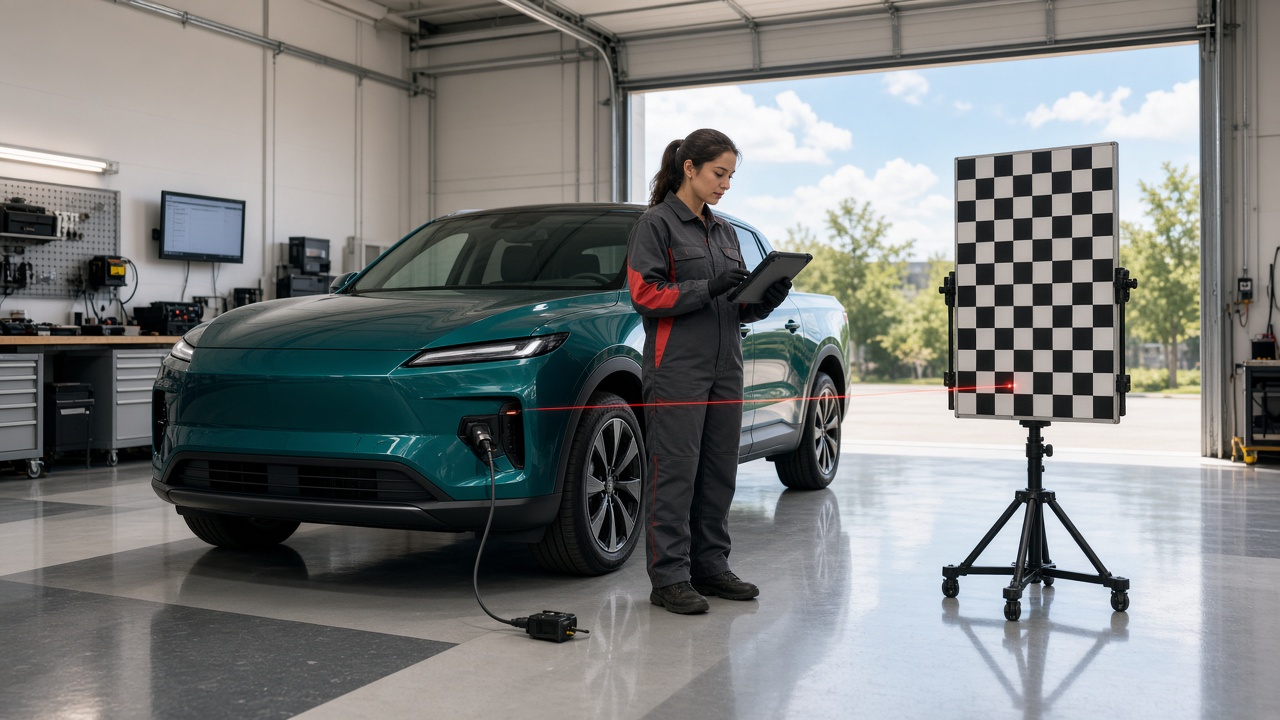
Most of the roles in this series live in switchrooms, substations and solar farms. This one lives on wheels. A haul truck in the Pilbara that won't start at 4am, a fleet of emergency vehicles that needs lights, radios and cameras fitted, a 4WD being kitted out with a dual-battery and off-grid solar setup, a brand new hybrid that needs its driver assistance cameras calibrated: that's all in a day's work for an auto electrician.
I've wanted to cover auto electricians for a while, because it's one of the most underrated electrical careers out there, and the numbers right now are seriously eye-opening. So in this edition of our role explainer series, here's what an auto electrician actually does in Australia and New Zealand, what they earn, how you become one, and why I think the future of this trade is very bright indeed.
What an auto electrician actually does
An auto electrician (or automotive electrician) installs, diagnoses and repairs the electrical and electronic systems in vehicles and mobile machinery. New Zealand's career service, Tahatū, lists the core tasks as inspecting vehicle electrical systems for faults, repairing electrical and electronic equipment, laying cables, soldering connections and installing electrical equipment, plus talking with customers about what's going wrong.
In practice, the work splits into a few distinct worlds:
- Workshop and field service. Starting, charging and ignition faults, wiring repairs, instruments and warning systems, engine management diagnostics. Many auto sparkies run a service van and go to the breakdown rather than waiting for it to be towed in.
- Fit-outs and accessories. Dual-battery systems, lighting, radios, cameras, tracking, and increasingly off-grid power for 4WDs and caravans. There's a current SEEK ad for auto electricians on emergency vehicle builds in Perth, and another for 4WD and off-grid systems.
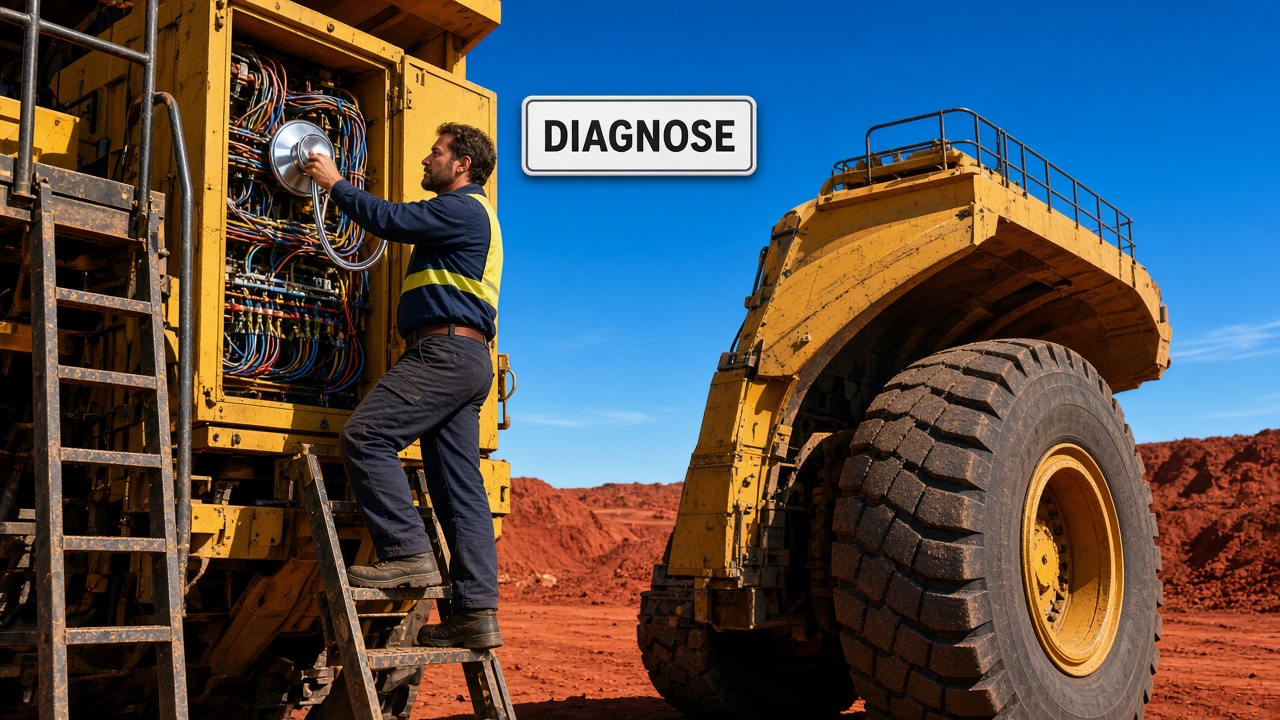
- Heavy vehicles and mobile plant. Trucks, earthmoving gear and mining equipment, where a single machine can be worth millions and every hour of downtime is expensive. This is where a lot of the big money sits.
- Dealerships. New vehicle pre-delivery work, warranty diagnostics and, more and more, hybrids, EVs and advanced driver assistance systems (ADAS).
The common thread is diagnosis. Anyone can swap a part. A great auto electrician reads a wiring diagram, plugs in a scan tool, thinks logically and finds the actual fault, often an intermittent one that three other people couldn't track down. If you love solving puzzles with a multimeter in your hand, you'll feel right at home.
Auto electrician vs electrician: what's the difference?
This is the question I get asked most, so let's clear it up. A licensed electrician works on fixed electrical installations: the mains-powered wiring in homes, commercial buildings and industrial sites, which requires an electrical licence from your state regulator (or registration with the EWRB in New Zealand). An auto electrician works on the vehicle's own electrical systems, typically low-voltage DC.
The national qualification, AUR30320 Certificate III in Automotive Electrical Technology, states that no licensing requirements apply to the qualification itself. But that doesn't mean there are no tickets. If you work on vehicle air conditioning, you'll need an Automotive Air Conditioning Refrigerant Handling Licence from ARC, and handling refrigerant without one is an offence. And anything that connects to fixed mains wiring, such as installing a wall-mounted EV charger at a home or depot, is licensed electrical work for an electrician.
That boundary is exactly why some people hold both trades, and why you'll see job titles like "Automotive Electrician/Electrical Fitter" on SEEK this month. A dual-trade sparky who can wire the depot charger and diagnose the electric truck plugged into it is a very valuable person.
What auto electricians earn in Australia
Here's where it gets interesting. SEEK puts the average auto electrician salary in Australia at between $80,000 and $90,000. But the regional averages tell a very different story. SEEK's highest-paying locations for the role currently include:
- Port Hedland, Karratha and Pilbara: $173,750
- Coober Pedy and Outback SA: $163,000
- Launceston and North East Tasmania: $163,000
- Gladstone and Central Queensland: $157,500
- Devonport and North West Tasmania: $147,250
Back in August, SEEK data reported by Nine ranked automotive electrician in mining as the second highest-paying job in Australia that doesn't need a university degree, at an average of $163,611, just behind heavy diesel fitters. SEEK's chief economist, Dr Blair Chapman, pointed out that "the more specialised the skill set, the harder it can be to recruit."
A look at what's being advertised on SEEK right now backs that up:
- An FIFO auto electrician role in the Pilbara through C.E.M. Alliance at $56 to $85 an hour.
- A heavy mobile plant and mining equipment role with Global Civil and Mining in Welshpool, Perth, at $65 an hour.
- A heavy equipment and vehicles role with Setpoint in Adelaide at $50 to $65 an hour.
- A 4WD and off-grid systems role with Elevate Automotive in Bayswater, Perth, at $40 to $50 an hour plus super, on a four-day week.
- Westar Trucks in Campbellfield, Melbourne, offering a $5,000 sign-on bonus for an auto electrician.
As always, advertised rates are a guide rather than a promise, and FIFO and remote roles come with rosters and time away that aren't for everyone. But the spread shows you clearly where the premium is: heavy equipment, mining and remote work.
Demand is real, too. Automotive electrician (ANZSCO 321111) is rated as being in shortage nationally on Jobs and Skills Australia's 2026 Occupation Shortage List.
And in New Zealand
Tahatū lists auto electrician pay at around NZ$29 to NZ$48 an hour for most people, with the lower end around NZ$24 and the upper end around NZ$60. About 1,400 people worked in the role at the 2023 Census, so it's a small, specialist workforce where good people get known quickly.
The usual pathway is an apprenticeship in automotive engineering and technology leading to the New Zealand Certificate in Automotive Electrical Engineering (Level 4).
One change worth knowing about: from 8 March 2027, automotive electricians will move off the Green List Work to Residence pathway and be covered by the Skilled Migrant Category Trades and Technician pathway instead. Immigration New Zealand says this could be more accessible for some experienced workers, but not for everyone, and transitional arrangements protect people already working towards residence. If you're an overseas auto sparky eyeing New Zealand, check the details carefully with Immigration New Zealand. For Kiwi employers, it's another reason to grow your own apprentices.
How to become an auto electrician
- Start an apprenticeship. In Australia, that's the AUR30320 Certificate III in Automotive Electrical Technology, delivered by TAFEs and RTOs around the country. Core units cover the fundamentals: electrical test equipment, soldering, wiring harnesses and looms, lighting, batteries, charging, starting and ignition systems, engine management and ancillary electronic systems. In New Zealand, look for an automotive electrical apprenticeship towards the Level 4 certificate.
- Pick electives with the future in mind. This is the bit I'd really encourage young people to think about. The qualification already includes electives such as depower and reinitialise battery electric vehicles, inspect and maintain battery electric vehicles, diagnose, remove and replace heavy electric vehicle rechargeable energy storage systems, and hydrogen safety units. In July 2026 the qualification was updated to add ADAS units, including scan and calibrate advanced driver assistance systems.
- Get your ARC licence if you'll be working on vehicle air conditioning, which is a big part of the job in hot climates and on mining fleets.
- Choose your world. Workshop, mobile service, fit-outs, dealership or heavy plant and mining. You can move between them, but the heavy and remote end is where the top rates are.
- Consider stacking a second trade. If you're drawn to EVs and electrification, combining auto electrical skills with a full electrical licence could make you one of the most versatile people in any fleet depot.
Is it right for you?
Auto electrical suits people who are curious, methodical and practical. You'll be problem-solving most days, often under time pressure because someone's vehicle or machine is off the road. Expect some dirty hands, some on-call work and, in mining, early starts and long shifts. In return, you get variety, very strong pay at the top end and a trade that's genuinely changing for the better.
Why I'm so optimistic about this trade
Vehicles are turning into computers on wheels. Every new car has more sensors, more modules and more software than the last one, and the electrification of everything from utes to buses to mining haul trucks is only just getting started. Who's going to diagnose, maintain and calibrate all of that? Auto electricians.
If you're already in the trade, now's the time to skill up in EVs, hybrids and ADAS. And if you're a young person weighing up an apprenticeship, I genuinely think this is one of the smartest picks you could make. When you're ready, browse the latest electrical jobs across Australia and New Zealand and find your next move.