
NZ Votes Saturday: Solar Promises Meet a 6,000-Sparky Shortage
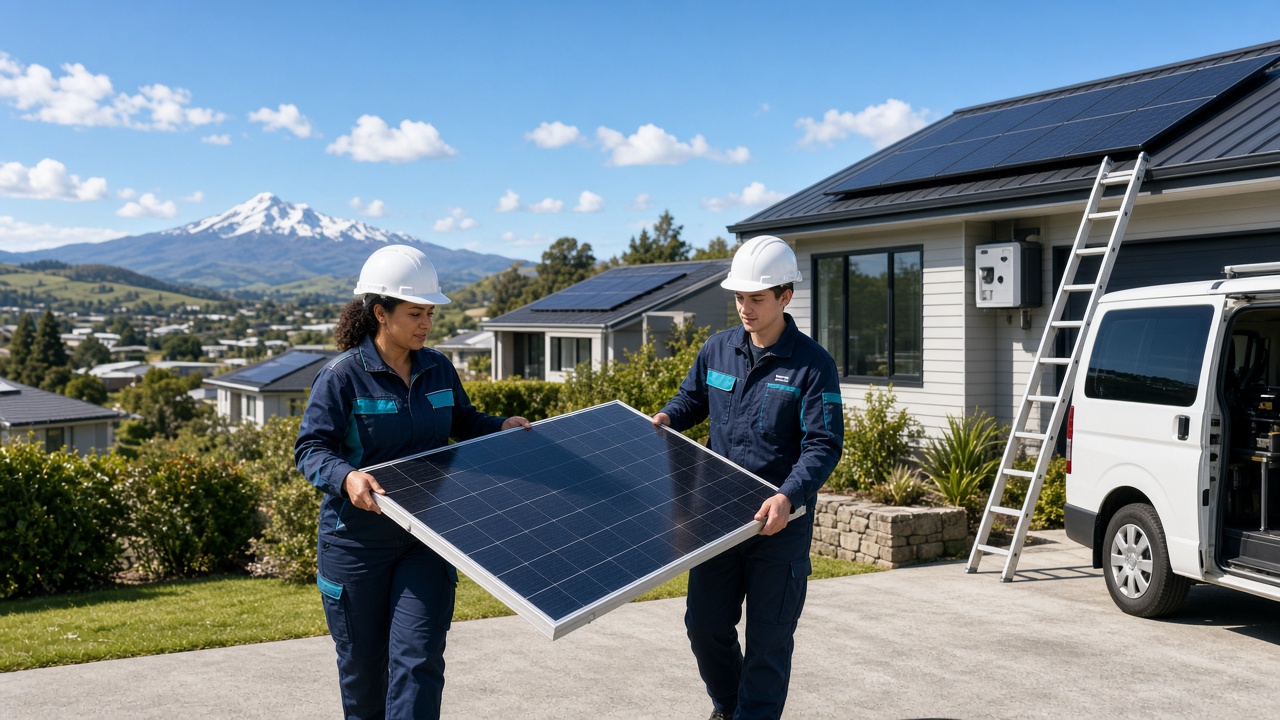
Four NZ parties promise solar loans or subsidies before the 7 Nov election. Here's what it means for electricians, installers and apprentices facing a shortage.
New Zealand goes to the polls this Saturday, 7 November, and for once the electrical trade is right in the middle of the conversation. Four parties are heading into election day with a plan to help households pay for rooftop solar. Whichever way the vote goes, I think the result for sparkies on the other side of the Tasman is the same: a lot more work, and not nearly enough qualified people to do it.
I'm not here to tell anyone how to vote. That's your business. What I want to do is look at what's actually on the table, what the industry is saying about capacity, and what it means if you're an electrician, an apprentice or an employer in New Zealand (or an Aussie sparky wondering whether a stint across the ditch makes sense).
What's on offer for household solar
NZCompare's non-partisan summary, published 22 October, and Cogo's rundown both lay out the main policies. In short:
- National's Home Energy Fund would offer low-interest, long-term loans (around ten years) for solar, batteries, insulation and other home energy upgrades, repaid through rates or when the property is sold. Homeowners would need at least 20% equity, councils would opt in, and standard rooftop solar would no longer need a council consent. National also says plug-in solar panels would be on sale in shops within the first six months of a re-elected National government.
- Labour's SolarSaver is costed at $160 million over four years. It includes low-interest loans repaid through rates or power bills, a subsidy of up to $3,000 for eligible low- and middle-income households (renters included), a $30 million community battery fund and a law change to allow plug-in solar. Labour says the main schemes would be running within 12 months of taking office.
- The Greens are proposing zero-interest clean energy loans for solar and batteries, a right to solar for renters, legal plug-in solar and $200 million for community-owned renewable projects.
- The Opportunity Party proposes low-interest loans for household electrification through a Ratepayer Assistance Scheme, plus support for community energy.
The striking thing for me is how much these plans have in common. The core idea, a long-term loan secured against the property and repaid through rates, shows up in several of them. Nobody is arguing about whether solar works in New Zealand anymore. The argument is about how to pay for it. For the trade, that means the direction of travel is set. The only question is how fast the demand arrives.
It's worth being clear on one point: as Cogo notes, none of these schemes exist yet. They're promises, and each would take months to stand up after a government is formed. That gives the industry a short runway to get ready, and I'd use every week of it.
Demand is already running hot
Here's the part that should get every Kiwi electrical contractor's attention. Demand was surging well before any subsidy was announced.
EECA's solar installer research, published in September from a survey of 281 businesses, found that 85% of solar installers said demand had grown over the previous 12 months, and the same share expected it to keep growing. Rising electricity prices were the most common driver.
In Nelson, The Press reported in September that installers were running lead times of around three months, and that Network Tasman had gone from processing about 30 solar applications a month two years ago to about 150 a month. In Taranaki, installer Brad Lynch told RNZ in July his business had grown from three or four staff to seven, he was hiring again, and he was planning for a 40 to 50% jump in work once any subsidies roll out.
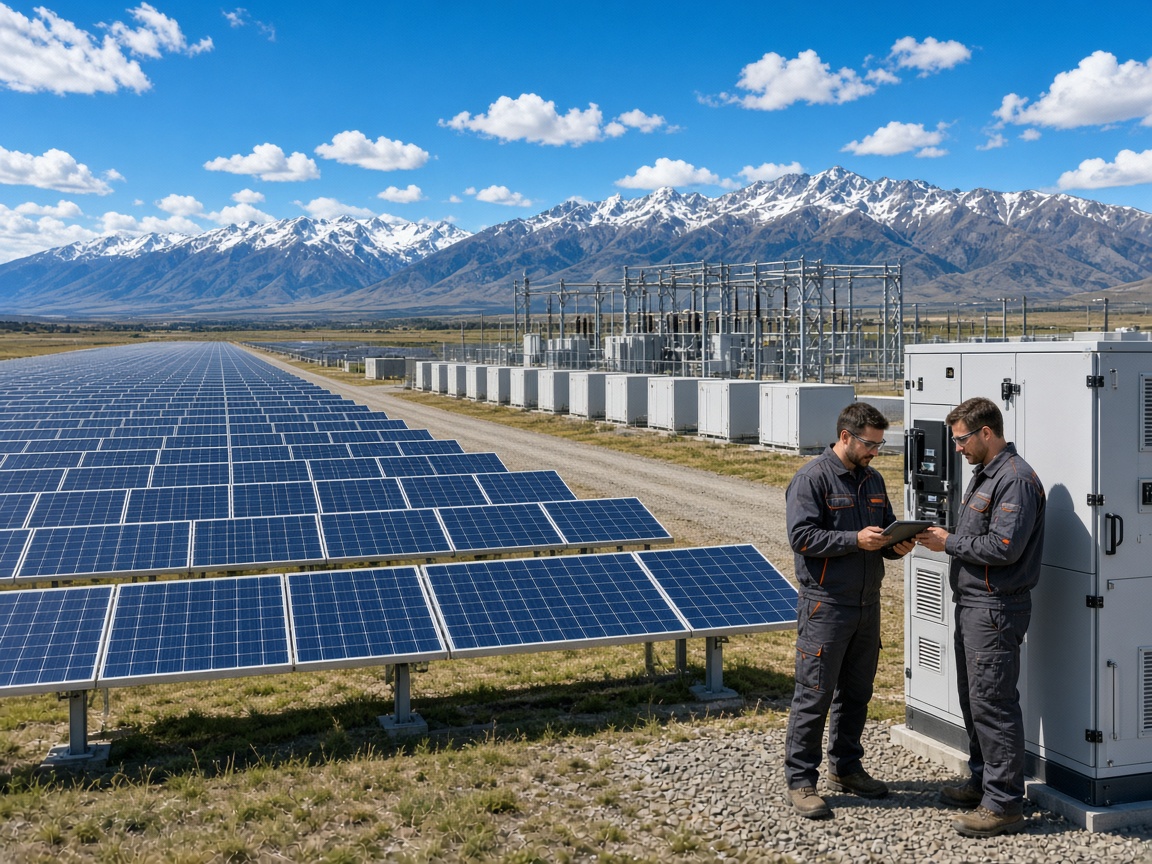
The grid data tells the same story. Transpower's market operations weekly report for late October noted that solar hit a new record share of 4% of New Zealand's generation mix for the week. That's still small next to hydro and geothermal, but it's climbing fast, and every one of those rooftop and utility-scale systems was wired and signed off by someone in our trade.
The workforce maths doesn't add up yet
This is where the optimism needs a dose of realism.
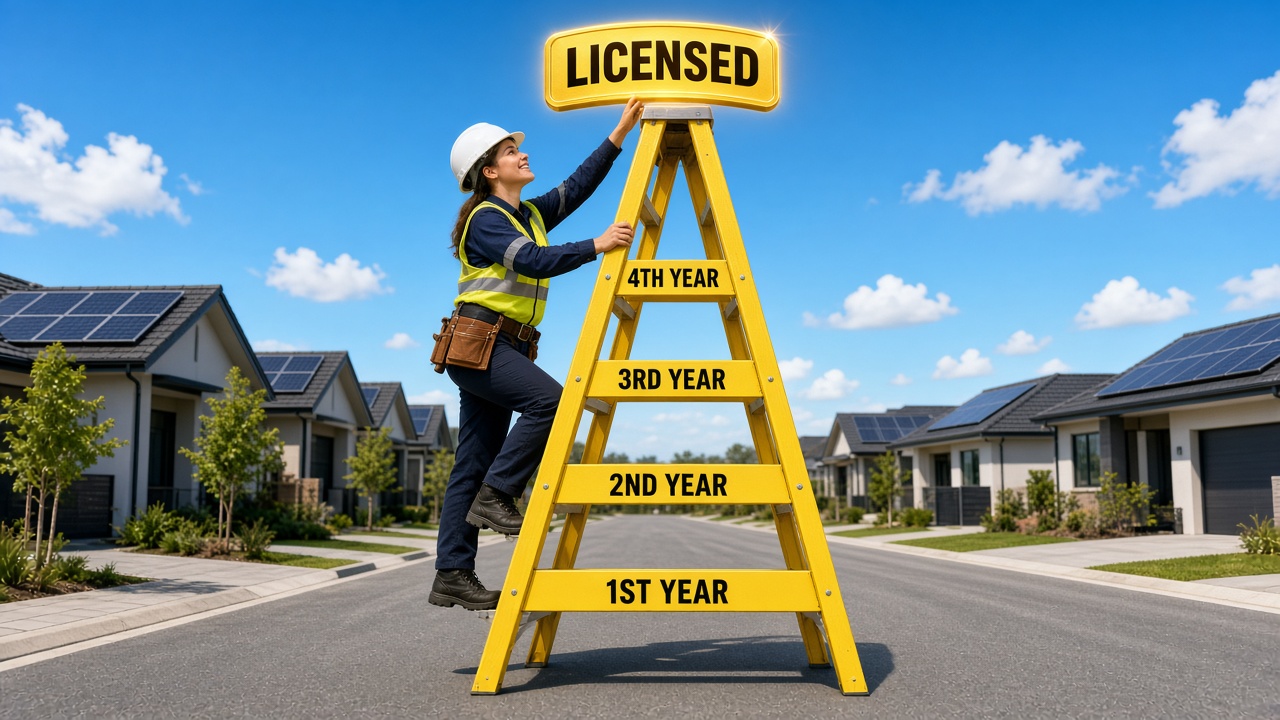
Master Electricians, working with Infometrics, has estimated New Zealand is already short about 6,000 electricians. Chief executive Alexandra Vranyac-Wheeler told RNZ's Nine to Noon that 3,000 to 4,000 apprentices would need to start each year to meet demand, but only about 1,200 started last year. She also put the cost to an employer of taking on an apprentice at about $58,000 in salary.
The Solar Energy Association of New Zealand (SEANZ) told RNZ there are roughly 1,500 to 1,800 solar installers working in New Zealand, about a quarter of them electricians. Based on Australia's experience, adjusted for less aggressive subsidies, SEANZ expects uptake to rise about 250% over five years, which it reckons means roughly another 2,500 installers, a mix of electricians and mechanical installers. That's before you count designers, project managers, sales and admin.
EECA's survey backs this up from the employer side. Of the solar businesses that recruited in the past year, 83% of those looking for qualified electricians said they were hard to find, and 74% said the same about experienced solar installers. About a quarter of installers said they were already close to, or at, capacity.
Put those numbers side by side and you get a simple picture. Demand is rising, policy is about to push it higher, and the pipeline of qualified people is nowhere near keeping up.
The upside: there's hidden capacity in the trade
Now for the glass-half-full part, and I think it's genuinely encouraging.
EECA found that 35% of electricians whose businesses don't currently do solar said they already have the capability to install it, and many would consider moving into the market with the right training or support. That's a big pool of experienced sparkies who could be on roofs within months, not years.
Vranyac-Wheeler made exactly this point to RNZ: "Bringing an existing electrician up to speed on solar takes months. A new apprentice takes years to reach the same point." Lynch said each qualified electrician he hires still takes around six months to get fully up to speed on solar, and he'd like to see a six-week boot camp model for sparkies moving into the space.
There are also moves to cut friction. Electricians in New Zealand already need a solar-specific endorsement, which RNZ reported can be gained through a short course or by showing significant experience. In July the Ministry for Regulation recommended streamlining the rules for small-to-medium installations, including removing the need for an independent inspector to sign off every job where the electrician is an accredited installer. EECA has also been consulting on an industry-led solar installer accreditation programme, and 72% of installers in its survey thought accreditation was a good idea. None of that is final, but it all points towards a faster, more professional market.
What I'd do now, depending on where you sit
If you're a registered electrician in New Zealand and not doing solar yet: get the endorsement sorted before the post-election rush. The firms that can quote and install in four to six weeks, rather than three months, will win the work. Batteries are part of this too. One Nelson installer told The Press that about 83% of its customers had a battery with their system, with resilience after storms a big driver.
If you run a contracting business: the subsidy debate is a once-in-a-decade signal to invest in people. Take on an apprentice if you can, upskill the sparkies you already have, and build a crew structure where electricians supervise trained mechanical installers. SEANZ's numbers suggest that's how the industry will scale.
If you're thinking about an apprenticeship: I genuinely can't think of a better time to start. Industry voices on every side of this debate agree on one thing, which is that New Zealand needs more electricians, for a long time.
If you're an Aussie sparky: keep an eye on this. Australia went through its own rooftop solar boom, and more recently its battery boom, so Australian experience with high-volume, quality installs is exactly what Kiwi employers will be looking for. Check the registration requirements with New Zealand's Electrical Workers Registration Board before you pack the ute, but the opportunity is real.
Quality has to scale with volume
One last thought. SEANZ's Gareth Williams pointed out to RNZ that Australia's early solar surge came with plenty of quality problems, and Think Solar Nelson's Toby Nicholls made a similar point to The Press about second-tier operators during battery rebates. New Zealand has the chance to learn from that. Fast growth and good work aren't opposites, but you only get both if training, accreditation and supervision keep pace.
I'm optimistic. New Zealand is starting its solar journey with the best technology the world has ever had, a grid that's already mostly renewable, and broad political agreement that more rooftop solar is a good thing. Whatever happens on Saturday, the country is going to need a lot more sparkies, and that's good news for anyone in our trade.
If you're looking for your next role on either side of the Tasman, browse the latest electrical jobs here.