
Commercial Solar Up to 1 MW Now Earns STCs: Do It by the Book
Rooftop solar up to 1 MW now earns STCs, cutting costs by about 20%. Here's the commercial opportunity for sparkies and why compliance matters more than ever.
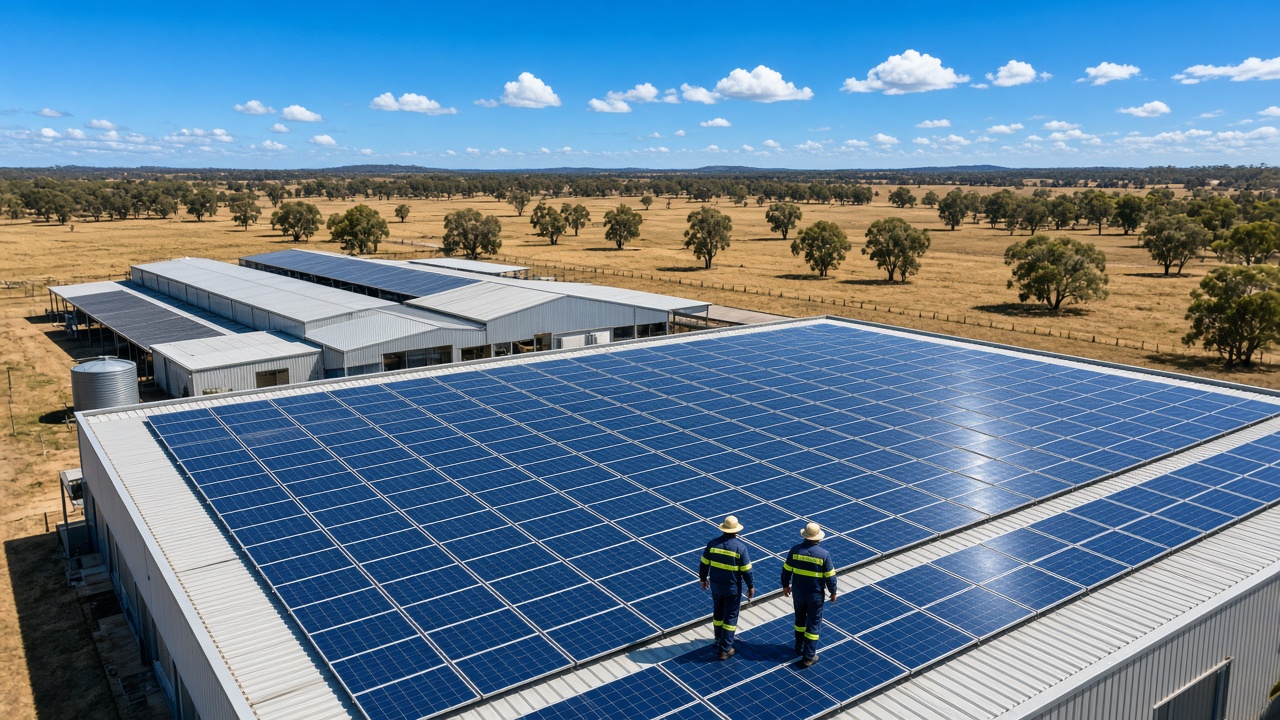
If you've spent the last few years watching residential solar and batteries carry the trade, here's some genuinely exciting news: the commercial rooftop is now officially in play. From 1 October 2026, the Small-scale Renewable Energy Scheme (SRES) covers solar systems up to 1 MW, up from the old 100 kW cap. That's farm sheds, factories, cold stores, warehouses, shopping centres and community buildings, all suddenly eligible for small-scale technology certificates (STCs).
At the same time, the Clean Energy Regulator (CER) has just published its latest quarterly compliance update, and the message is crystal clear: the money is there for people who do the job properly, and the door is closing on people who don't. I think those two stories belong together, so let's unpack both.
What actually changed on 1 October
According to Minister Chris Bowen's media release, the expanded SRES is now law and lifts the maximum eligible system size from 100 kW to 1 MW. The government says it could save farmers, community organisations and small businesses "around 20 per cent" on the installation cost of larger rooftop systems. For context, the scheme has already supported more than 4.5 million households and small businesses to install solar.
The CER's mid-scale solar page fills in the detail that matters to installers. Systems between 100 kW and 1 MW installed from 1 October 2026 can be eligible, and they get a fixed five-year deeming period, rather than the declining deeming period that applies to smaller systems as the scheme heads towards its scheduled end in 2030. System owners can choose between taking the upfront STC benefit or creating certificates under the Renewable Electricity Guarantee of Origin (REGO) scheme, but if they take STCs they can't create REGO certificates for the deeming period. That's a commercial decision your client will want advice on, so it's worth understanding both options.
One timing catch: STC applications for mid-scale systems won't open until mid to late November 2026, while the CER builds the systems to process them. Assessments start after that. So if you're installing now, you're installing on the expectation of a claim that can't be lodged for a few more weeks. Get your paperwork airtight from day one.
The government also says the department is preparing a rule change request for the Australian Energy Market Commission to make it easier for businesses to connect larger solar systems to the network. Connection has long been the slow, frustrating bit of commercial solar, so I'll be watching that one closely.
Why this is a big deal for sparkies and contractors
Let me be direct: this is one of the most practical pieces of energy policy we've seen for the trade in a while. Plenty of businesses have been sitting on a perfectly good roof, put off by the upfront cost of a 200 kW or 500 kW system. Knock around a fifth off that cost and a lot of "maybe next year" projects become "let's get a quote".
The minister talks about manufacturers, farmers, retailers and transport and logistics businesses. Think about what that means on the ground. Regional sheds with huge flat roofs. Cold storage running compressors all day. Warehouses that are electrifying forklifts and fleets. Every one of those jobs needs switchboard work, cabling, protection, metering and commissioning, and often a battery conversation too. This is meaty, well-paid commercial electrical work, and it doesn't sit in a capital city CBD; much of it is regional.
For contractors who've built their business on 6.6 kW residential jobs, this is a chance to step up. A handful of mid-scale jobs a year can change the shape of a small business. For individual sparkies, commercial PV experience on your CV is going to be in strong demand, especially if you can pair it with battery and commissioning skills.
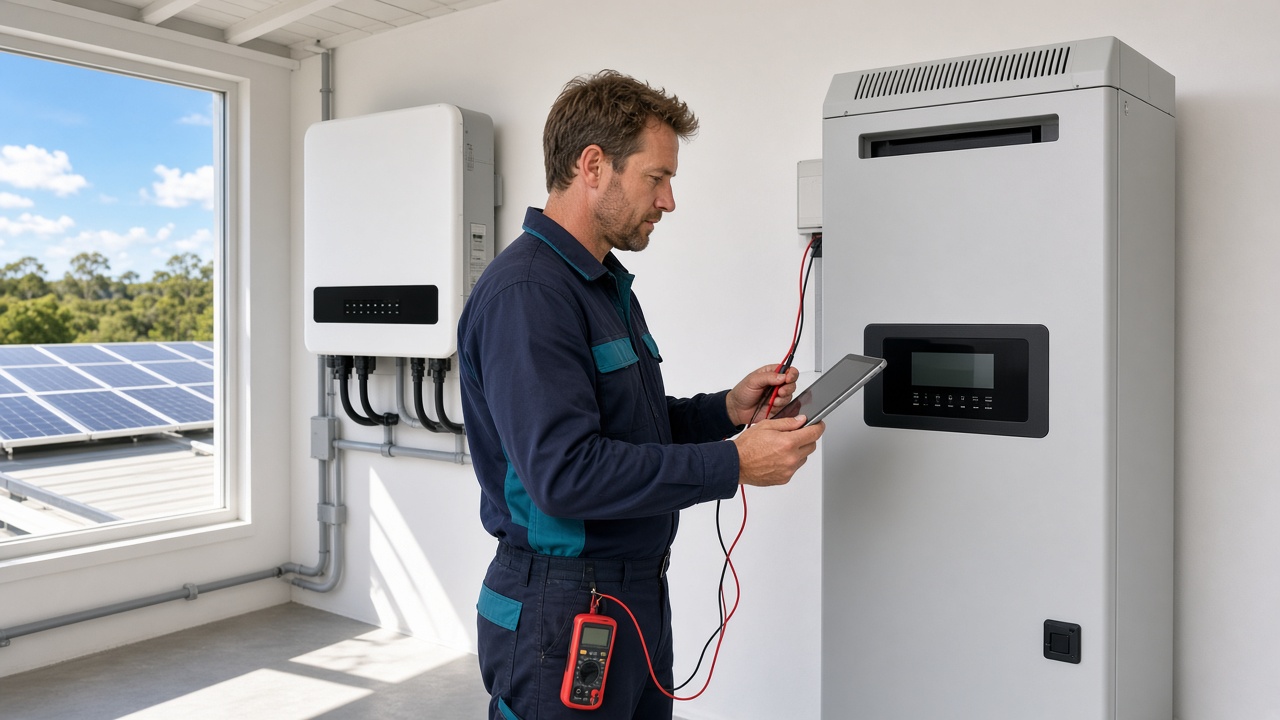
The rules for mid-scale are stricter, and that's a good thing
The CER's small-scale systems page lists the standard requirements that still apply to every system up to 1 MW: CEC-listed panels, batteries and inverters; compliance with Australian and New Zealand standards; installation by a Solar Accreditation Australia (SAA) accredited installer with the right accreditation for the job; SAA technical requirements; new components that haven't been used in a previous STC or LGC claim; and compliance with all local, state, territory and federal requirements, including electrical safety. STCs must also be created within 12 months of the installation.
Mid-scale jobs carry extra requirements on top of that. You'll need an as-built structural engineering report, an electrical single line diagram and a connection agreement, and the system has to comply with metering and system design arrangements where there are multiple related solar installations on the same or adjacent sites. Interestingly, the CER notes that an accredited designer is not required for a mid-scale system, but the installer accreditation still is.
The CER is also clear about upgrades. If a client wants to add panels to an existing system and push it over 100 kW, it may be eligible as a mid-scale system, but the CER warns that expanding a system before the original STC claim is approved risks losing the ability to claim at all. And when you upgrade or extend, installers must re-certify the entire system as safe and compliant. Don't let a client's enthusiasm rush you into a messy claim.
The compliance spotlight: what the CER just did
Now the other side of the coin. On 26 October the CER published its July to September 2026 quarterly compliance update, and it makes for sobering reading.
During the quarter, a Victorian installer was convicted and fined $10,000 for intentionally making false statements in statutory declarations used to support STC creation; he'd claimed to attend installations in Melbourne while he was interstate. Another accredited installer was declared ineligible to install solar or batteries under the SRES for three years after an investigation found breaches across 24 installations, including failing to meet onsite attendance requirements, failing to provide required electrical safety certificates, and giving false or misleading installer statements. A third installer was banned for 12 months after breaches across 10 installations, including failing to meet mandatory electrical standards. And one company was permanently suspended from the scheme after the CER decided it no longer met the fit and proper person requirements.
CER Chair Tony Chappel said the regulator remains satisfied there is "no systemic fraud in the SRES, but there are a few bad players, which are being dealt with", and that it has "zero tolerance for those who are cutting corners."
It's not just the CER. ECD reported a $70,000 fine for a Victorian electrical company after a WorkSafe inspector saw two workers installing solar panels on a two-storey home at 5.79 metres with no fall protection and no safe work method statement, accessing the roof by an unsecured ladder. ECD also reported a $10,000 fine for a Perth air-conditioning repair company over unlicensed electrical work. Different regulators, same theme.
The lessons I'd take from this
Here's my honest view. Regulators being tough is good news for good sparkies. Every dodgy installer who gets banned is a competitor who was undercutting you by skipping the boring bits. And as systems get bigger, the stakes get bigger: a corner cut on a 6 kW roof is bad, but a corner cut on a 600 kW array on a busy factory is a very different level of risk.
So, practically:
- Be there. Onsite attendance requirements are not a technicality. If your name is on the installer statement, you need to have been on the job as required. Never sign for work you didn't supervise.
- Close out the paperwork every time. Electrical safety certificates, installer statements, photos, serial numbers. Build a checklist and make the job "not finished" until it's all done.
- Get the mid-scale documents lined up early. The structural engineering report, single line diagram and connection agreement should be part of your project plan, not something you chase after the panels are on.
- Check your accreditation scope. Make sure your SAA accreditation covers the installation type you're quoting for. If it doesn't, now is a great time to upskill.
- Treat height safety as non-negotiable. Commercial roofs mean edge protection, SWMS and proper access every single time.
- Talk REGO versus STCs with your client. The CER says the choice affects eligibility, so help them understand it, or bring in someone who can.
Where this is heading
I'm genuinely optimistic about this one. Australia has led the world on household rooftop solar, and opening up the commercial rooftop with a real upfront incentive is the logical next step. Pair it with the battery boom, electrification of fleets and equipment, and smarter connection rules, and the next few years look busy for anyone who can design, install and commission bigger systems properly.
The sparkies and contractors who win here will be the ones who combine commercial capability with clean, by-the-book compliance. Do that, and you're exactly who businesses, and regulators, want on their roof.
If you're keen to get into commercial solar, battery or energy work, browse the latest electrical jobs across Australia and New Zealand on ElectricalRoles.