
What Does a Lift Electrician Do? Pay, Training and Pathways
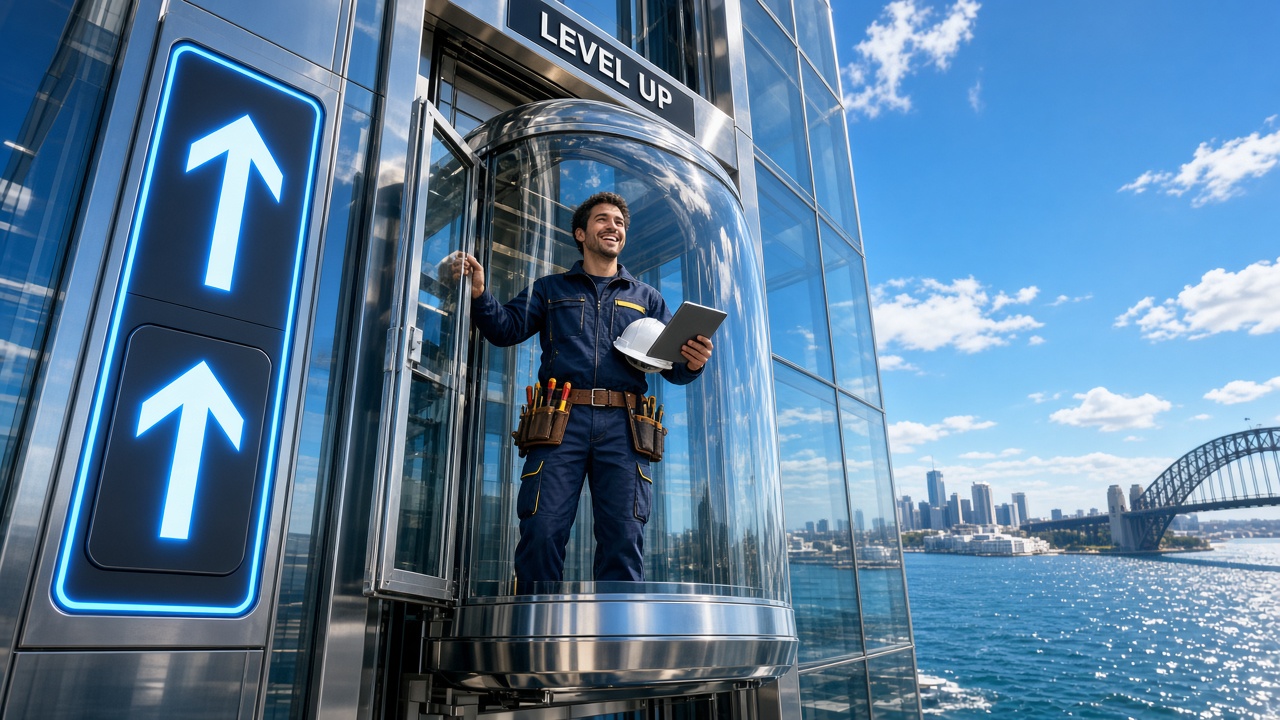
Lift electricians install, service and modernise lifts and escalators. What the job involves in Australia and NZ, what EBAs pay, and how sparkies get in.
Think about how many times you ride a lift in a week. Apartment, office, shopping centre, hospital, train station, car park. Now think about how often one is broken. Hardly ever, right? That's not luck. It's a small, highly skilled group of electricians who install, service and modernise those lifts and escalators, often without anyone in the building noticing they were there.
Lift electricians (you'll also see lift technician, lift mechanic, elevator technician or service technician) are one of the best-kept secrets in our trade. The pay is strong, the work is varied, the technology is getting smarter every year, and as our cities build up rather than out, demand only goes one way. In this edition of our "What does a ___ do?" series, I'll walk you through the job, the pay, the pathways and who's hiring across Australia and New Zealand.
What a lift electrician actually does
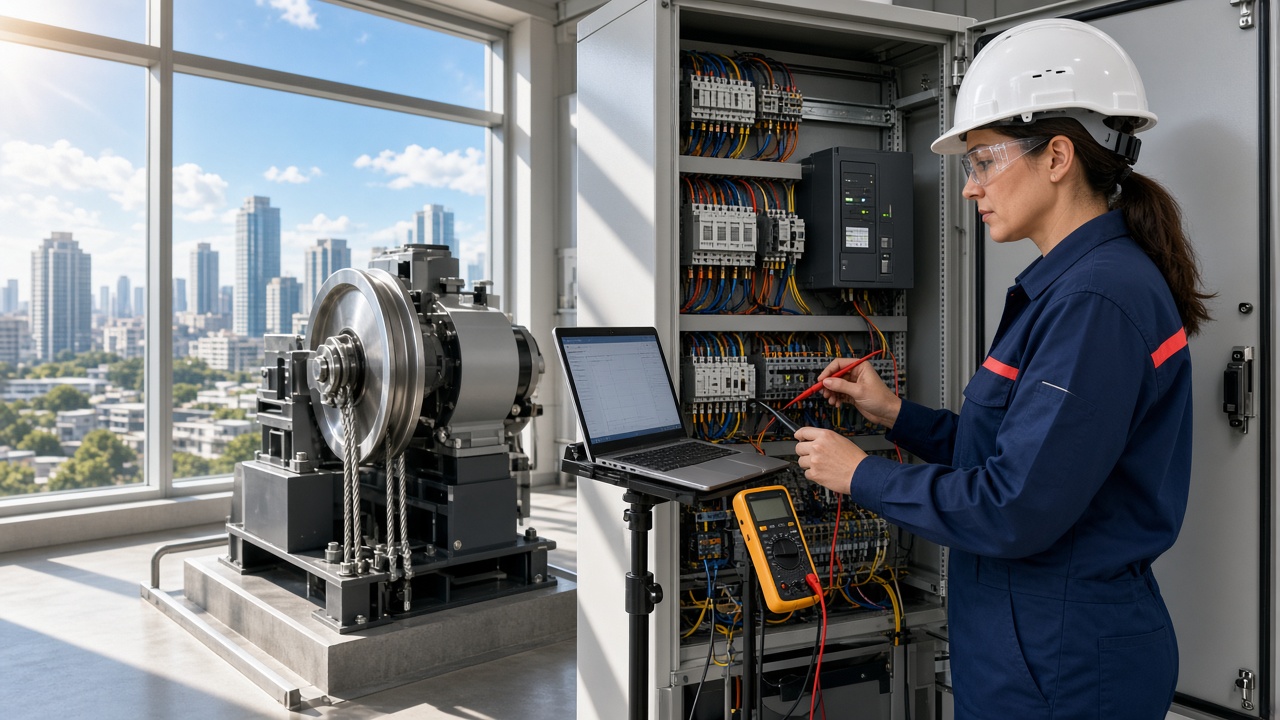
A modern lift is a fascinating machine. There's a traction motor (or a hydraulic pump on older or low-rise units), a variable-speed drive, a controller that's basically a specialised computer, door operators, safety circuits, landing and car stations, and increasingly, remote monitoring that reports faults before a passenger ever notices. Escalators and moving walkways add their own drives, step chains, comb plates and safety switches.
Jobs and Skills Australia describes lift mechanics as people who "design, install, maintain, service and repair electric and hydraulic passenger and freight lifts, escalators, moving walkways and other lift equipment." In practice, the work splits into three streams.
1. New installations (construction). You're on a building site, often working in a lift shaft as the building goes up. You install guide rails, the machine, the controller, the car and the wiring, then test and commission the whole lift before handover. It's physical, it's team-based, and it's very satisfying to ride the first trip in a lift you built.
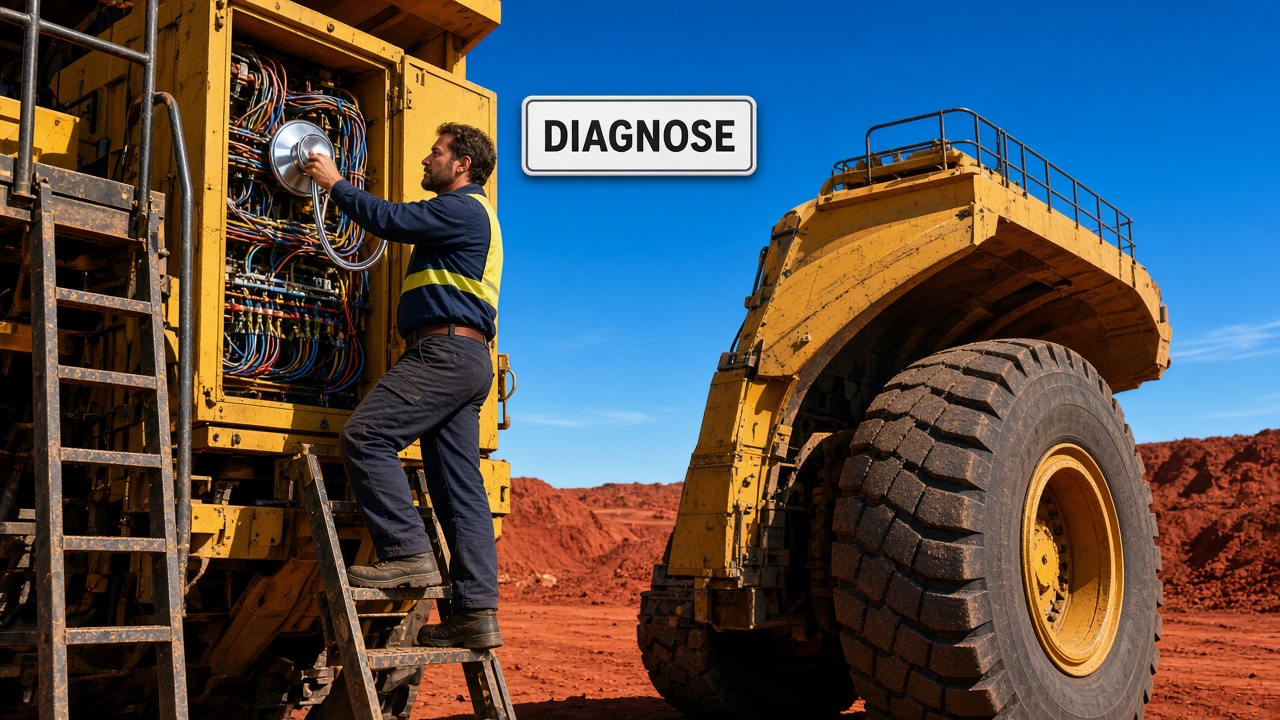
2. Service and maintenance. This is where a lot of lift electricians spend their careers. You'll have a route or "run" of buildings, carry out scheduled preventative maintenance, and respond to breakdown calls. Schindler's job description for its new service technicians lists it well: maintain and repair lifts and escalators, diagnose electrical and mechanical faults, respond to customer breakdown calls and carry out preventative maintenance inspections. Expect some on-call standby, which is also where the extra money comes from.
3. Modernisation. Older lifts get a full electrical and control upgrade: new drives, new controllers, new door equipment, sometimes a new machine. It's a big and growing part of the industry because there are a lot of lifts out there that were installed decades ago. Modernisation work is brilliant for electricians who love controls, because you're effectively rewiring a building's vertical transport system while keeping it compliant and safe.
Across all three, the skills that matter are the same: rock-solid fault-finding, reading wiring diagrams, working safely at heights and in confined spaces, and a decent mechanical aptitude. Lifts are as much mechanical as electrical, so if you enjoy both sides, this trade suits you perfectly.
What lift electricians earn
The lift industry is heavily covered by enterprise agreements with the major manufacturers, and the rates are strong compared with general construction.
Here are some real numbers from enterprise agreements approved by the Fair Work Commission, as summarised by PayCheckR (rates last updated May 2026; always check the agreement itself for your situation):
- Otis (Victoria) Construction & Service Agreement 2025: a 36-hour week, with full-time minimums running up to $2,937.60 per week at the top classification. Senior adjuster and service roles sit around $71 to $75 an hour, for example Adjuster 1 at $74.60/hour.
- KONE (Victoria) Construction & Service Agreement 2025: also a 36-hour week with a tenth-day RDO, with rates up to $2,839.32 per week at the top. The hourly rate includes the electrical licence, test-and-tag, lift industry and tool allowances (source).
Those are minimums before overtime, standby and callouts, which in service roles can add a lot.
Advertised jobs line up with that. A quick scan of lift technician jobs on SEEK this month shows Sydney service roles at $60 to $68 an hour plus a company car, and one Sydney role advertising $58.20 to $72.96 an hour plus EBA conditions, overtime and a vehicle. Smaller and residential-lift companies in Melbourne, Adelaide and Perth are advertising roughly $48 to $60 an hour, often with a vehicle and training included.
In New Zealand, the government's careers site Tahatū puts most lift technicians on $30 to $55 an hour, with experienced techs up to around $70.
My take: a good service tech with a few years under their belt, a work vehicle and some regular callouts is earning well into six figures in Australia, while working mostly in clean, central buildings rather than on remote sites. That's a very attractive package.
How to become a lift electrician
In Australia
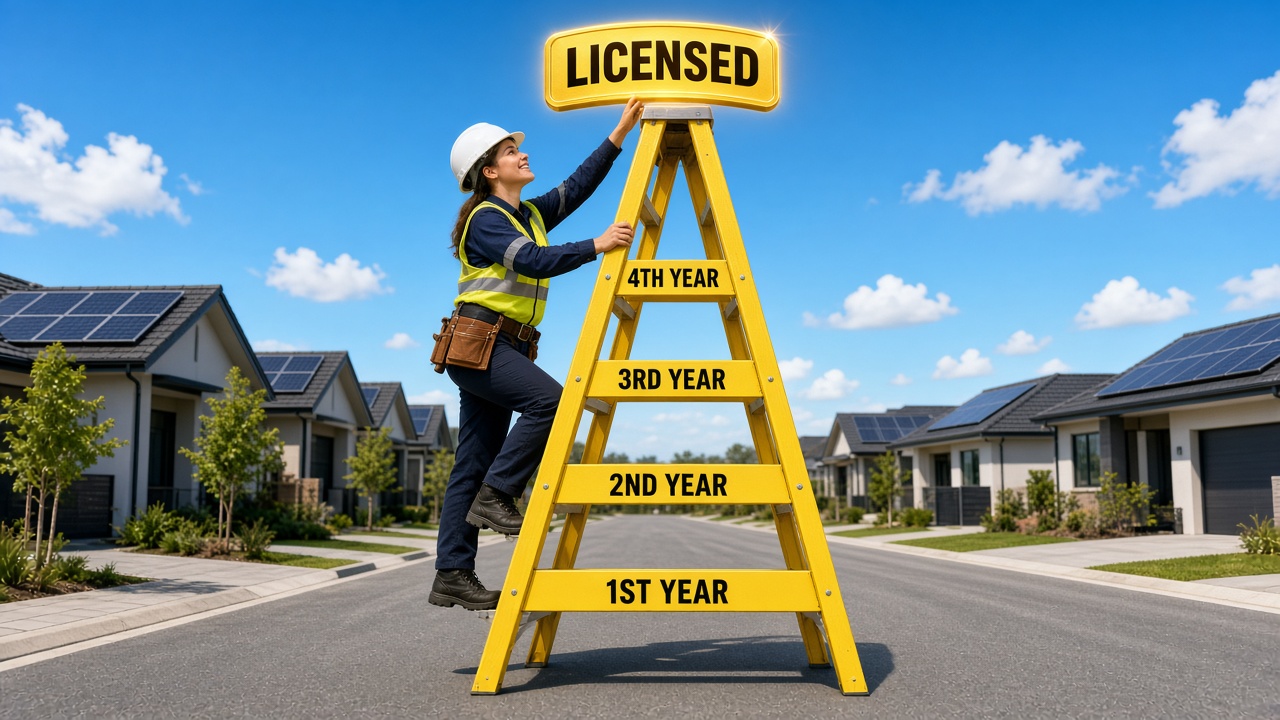
The most common route is simple: become a licensed electrician first. That means a Certificate III in Electrotechnology Electrician through an apprenticeship, then your state electrical licence. Lift mechanics sit inside the electricians group in the official classification, and most lift companies want you licensed.
From there, there are two ways in:
- Apprentice with a lift company. The big players run apprenticeships where you do your electrical trade while working on lifts. The KONE agreement above includes apprentice electrician rates, for example, so it's an established path.
- Cross over as a qualified electrician. This is the one I'd shout from the rooftops. Lift companies actively want licensed sparkies and will train you. Schindler has just launched a Trade Up Pathway in NSW designed specifically to fast-track qualified electricians into lift service roles. It combines classroom and practical training with mentoring from experienced lift techs, and trainees are paid at the electrician rate under Schindler's NSW EBA. In their words: "No lift experience? No problem." They're looking for people from commercial, industrial, manufacturing, facilities maintenance, automation, mining, HVAC and construction backgrounds, with a current NSW electrical licence and a driver's licence.
Several other employers on SEEK right now advertise "training provided" lift installer and technician roles for electricians, from Sydney to Hobart.
In New Zealand
In New Zealand, lift technicians usually come through an electrical pathway too. Schindler NZ says it's the only company in the industry in New Zealand offering a full apprenticeship programme that also qualifies you as an electrician. Apprentices rotate through new installations and service while studying towards the New Zealand Certificate in Electrical Engineering Theory and Practice (Trade). Schindler says over 90% of its apprentices complete their trade and stay with the business.
Tahatū also notes that some lift technicians qualify through the Electrical Appliance Serviceperson course and exam, then hold an Electrical Appliance Serviceperson practising licence. Whichever path you take, check with the Electrical Workers Registration Board that your registration covers the work you'll be doing.
Who's hiring
The global manufacturers dominate the big commercial work: Otis, KONE, Schindler and TK Elevator all have large service and construction teams across Australia, and job listings this month include KONE hiring maintenance technicians in Perth and lift installers on the Gold Coast, Otis hiring service technicians in Mascot, and Schindler service roles in Sydney.
Then there's a healthy layer of smaller and specialist companies: residential and accessibility lift businesses, independent service firms and local manufacturers. Listings this month include lift technicians wanted in Adelaide, Perth, Sydney, Newcastle, Melbourne, Brisbane and Hobart. Smaller firms often pitch a more personal culture and a faster path to running your own jobs.
The demand drivers look strong to me. Australia and New Zealand keep building apartments, hospitals, transport hubs and offices, every one of them needs lifts, and every lift needs servicing for its whole life. Modernisation of older lift stock adds a steady stream of work on top. It's also a small trade: the 2021 Census counted about 3,500 lift mechanics in Australia, with roughly two in five based in NSW, and Tahatū counts around 440 lift technicians in New Zealand. A small workforce plus a growing number of lifts is a very good equation if you're the one with the skills.
One more stat that jumped out: women make up only about 2% of lift mechanics in Australia, according to Jobs and Skills Australia. That's an opportunity. Employers are keen to broaden who they hire, and I'd love to see more women in this trade.
Is it right for you?
You'll probably love lift work if you:
- Enjoy fault-finding more than anything else on the tools
- Like a mix of electrical, electronic and mechanical work
- Want city-based work with a company vehicle, rather than FIFO
- Are comfortable at heights, in lift shafts and in tight spaces
- Like dealing with customers such as building and facility managers
It's probably not for you if you hate heights, or you want to stay in one workshop all day.
My advice if you're keen
- Get your licence first. It's the key to the door, and it keeps your options open across the whole electrical industry.
- Polish your fault-finding story. When you apply, talk about the tricky faults you've solved, the controls and drives you've worked on, and how you approach a breakdown. That's what lift employers are really hiring for.
- Look for "training provided" roles. Programmes like Schindler's Trade Up Pathway exist because employers want electricians. Use that.
- Ask about the EBA and standby. Understand your base rate, allowances, RDOs, standby and callout rates. They make a big difference to your take-home pay.
- Keep learning. Lifts are getting smarter, with remote monitoring, destination dispatch and energy-saving regenerative drives. The techs who are comfortable with that tech will always be in demand.
Lift electricians quietly keep our cities moving, floor by floor, every day. If you're a sparky looking for a specialised, well-paid trade with real long-term security, I think this one deserves a close look.
Browse the latest electrical jobs across Australia and New Zealand, and set up an alert for lift and service technician roles so you're first in line.