What Does a Solar Farm Electrician Do? Pay & Tickets
Solar farm electrician work, pay and tickets in Australia — DC strings, combiner boxes, FIFO rates and how to break in from commercial work.
Solar farms are no longer a niche side-hustle for a handful of HV specialists. Utility-scale and mid-scale plants are going up across Australia and New Zealand, and the crews that build them need licensed electricians who are comfortable with DC systems, documentation and remote work. If you have been wondering what the job actually involves — and what it pays — here is a clear-eyed look.
What the day-to-day work looks like
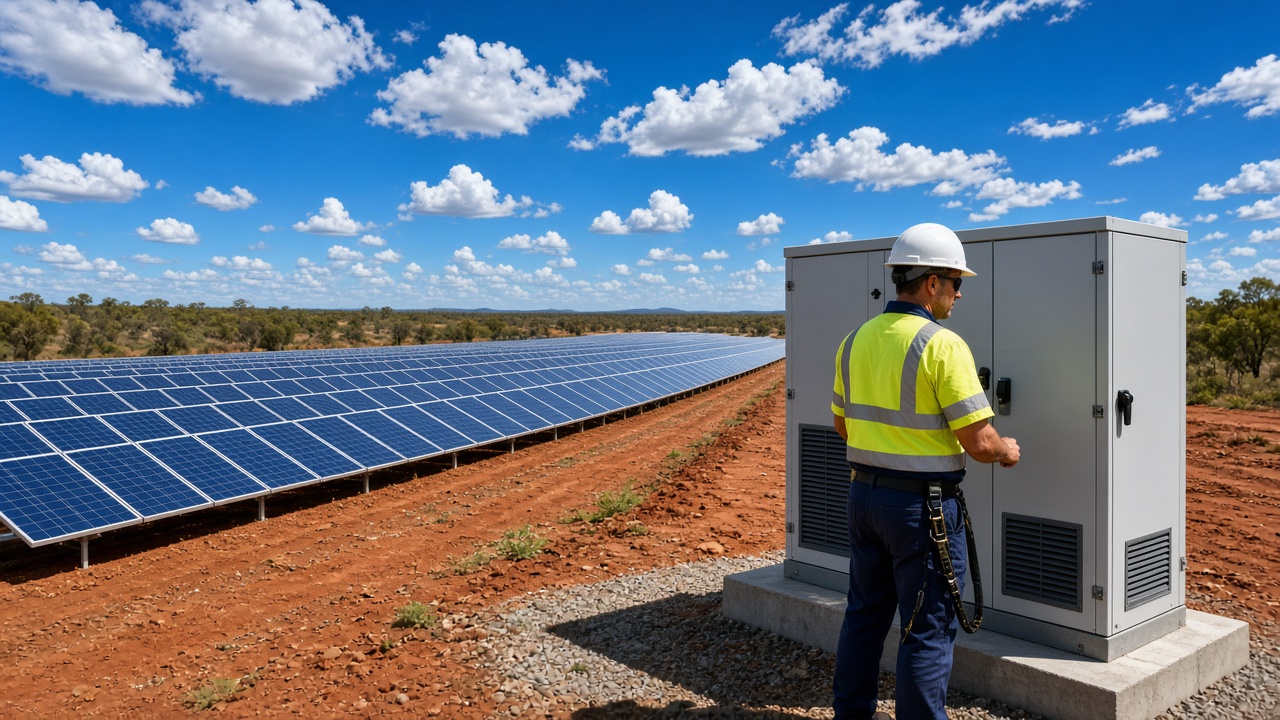
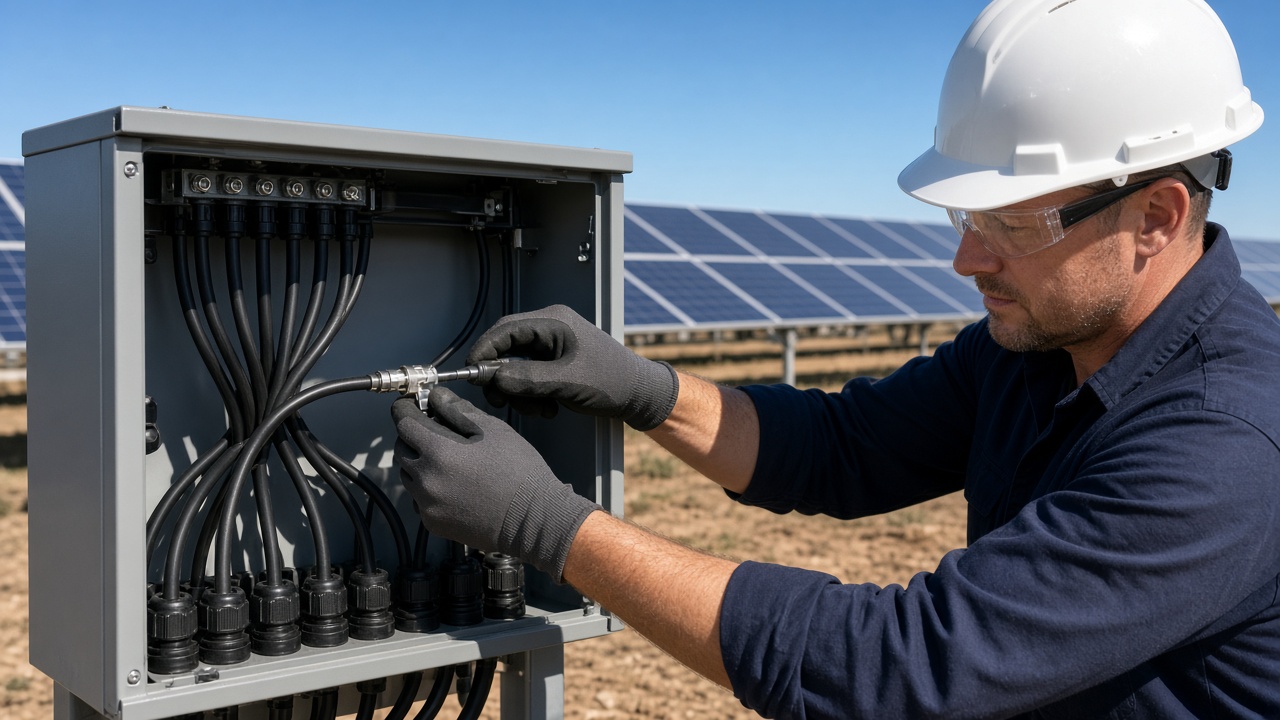
A solar farm electrician spends most of their time on the DC and LV side of the plant. Typical tasks include:
- Terminating and testing module strings and harnesses
- Working at combiner boxes and DC cable runs
- Pulling and terminating LV cable into inverter stations
- Completing test records that commissioning teams and owners rely on later
- Supporting O&M once the farm is energised
With the right tickets, some sparkies also assist HV switching and commissioning crews. That is usually a step up from day-one construction work, not the starting point.
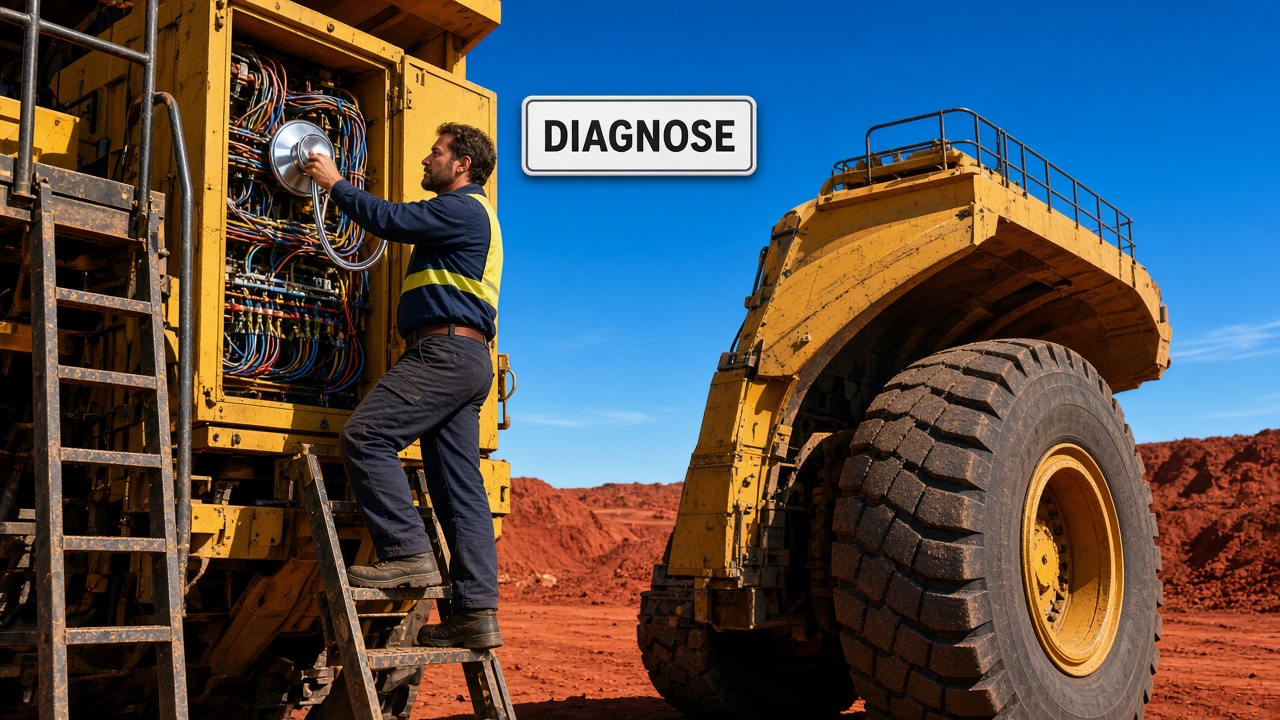
The rhythm is different from domestic rooftop solar. You are dealing with scale — thousands of modules, long cable runs, strict string naming conventions — and the paperwork is part of the job, not an afterthought. A missed IR test or a sloppy combiner termination does not just annoy a homeowner; it can delay energisation for a whole block of inverters.
How it differs from rooftop solar
Rooftop work rewards speed, customer service and tidy AC switchboard manners. Farm work rewards test discipline, DC fluency and the ability to follow a method statement when the site is dusty, hot and a long way from the nearest servo.
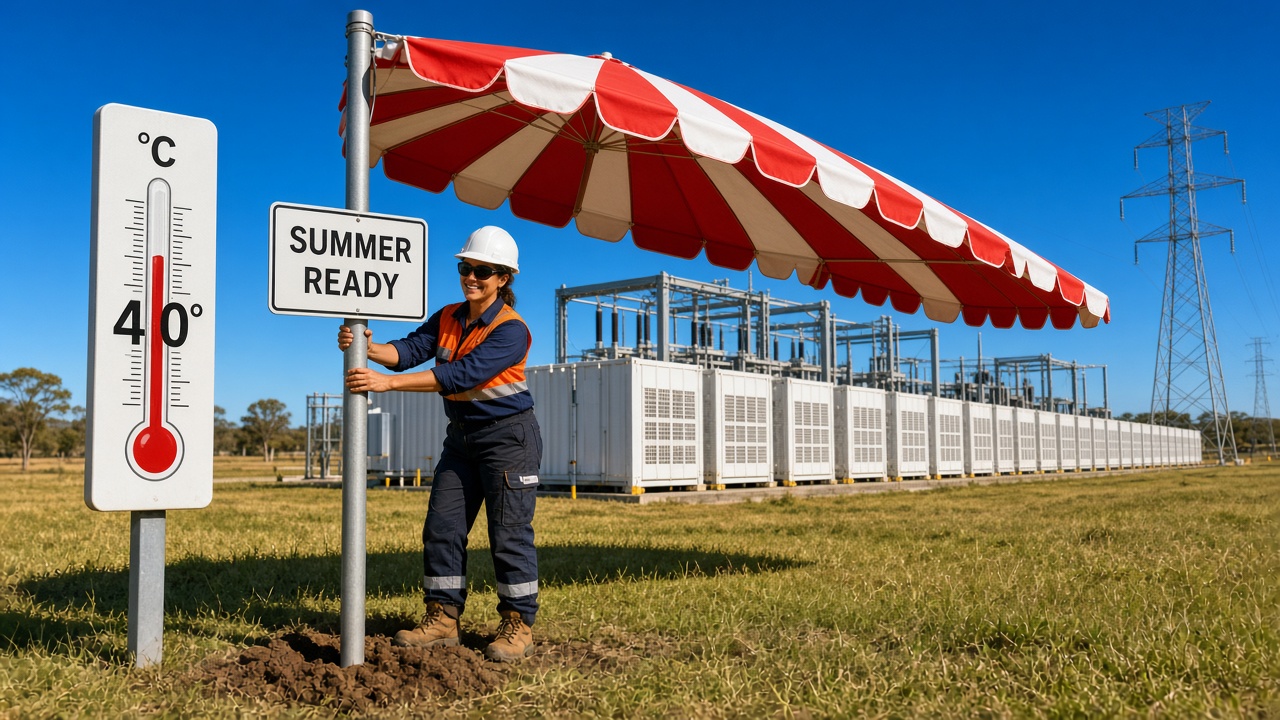
Remote and FIFO arrangements are common on larger Australian projects, especially in WA and regional Queensland. That means camp life, rostered swings and a different lifestyle trade-off than a metro battery install. Some people love it. Others do a season or two, pick up the tickets and commissioning experience, then move into O&M or mid-scale commercial work closer to home.
Pay signals in November 2026
Rates move with location, tickets and whether you are on construction or commissioning. Live ads around November 2026 give a useful snapshot rather than a national award:
- Solomon Airport Solar Farm near Tom Price, WA, has been advertising electricians from 16 November 2026 at about $54 per hour plus penalties, with camp provided (Haynes People / Fortescue EPC).
- Specialised electrical and commissioning roles on Solar Jobs Australia have historically listed higher ranges — ads have listed specialised work around $58–$96 per hour depending on tickets and scope.
Treat those figures as signals from current or recent ads, not a guarantee. Camp, overtime and penalties can lift take-home substantially on FIFO swings; metro mid-scale work may trade some of that cash for sleeping in your own bed.
Tickets that actually get you through the gate
Employers keep repeating the same baseline:
- A state electrical licence (recognised for the project state — WA jobs expect WA recognition pathways to be sorted)
- White Card
- Current driver's licence
- First Aid / CPR
- Low Voltage Rescue (LVR)
For commissioning and HV-adjacent roles, HV switching tickets become the differentiator. You do not need every high-voltage qualification on day one, but showing you are working toward them — and that your test sheets are already immaculate — gets you noticed.
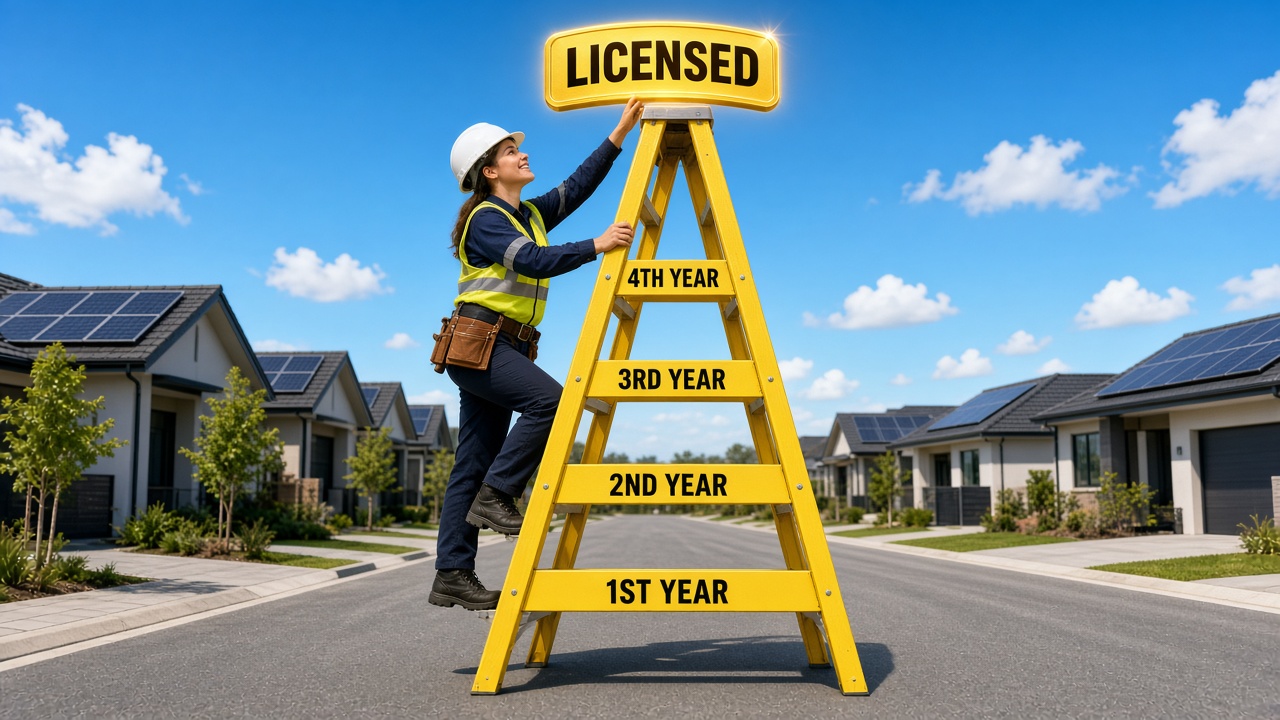
SAA solar accreditations matter more on the rooftop and mid-scale commercial side than on a pure utility farm construction crew, but they never hurt. If you already hold GCPV or GCBS from domestic battery work, say so. Cross-over candidates who understand both worlds are useful when farms feed into hybrid or storage-linked plants.
How to break in from commercial or industrial work
You do not need a decade of solar on your résumé. Commercial and industrial sparkies who already terminate carefully, keep test records and can read a single-line diagram are a natural fit. Practical steps that work:
- Tighten your DC and testing habits. Practise insulation resistance, polarity and continuity recording as if an auditor will read every sheet. On a farm, someone will.
- Get comfortable with remote work. If FIFO is new, start with a shorter swing or a regional mid-scale site before committing to a long Pilbara roster.
- Ask for combiner and inverter-station time. Tell your supervisor you want the work that builds commissioning credibility, not only cable pulling.
- Plan the HV path deliberately. Once you have a couple of farms under your belt, look at HV switching courses that match the plants you want to commission.
- Watch the boards. Construction peaks are seasonal. Roles appear in clusters — keep ElectricalRoles.com.au/jobs and the solar specialist boards bookmarked.
Why this role has a future
Australia's clean energy build-out needs electricians at every scale — rooftop, commercial, mid-scale and utility. Solar farm construction teaches DC systems, documentation and plant-scale thinking that transfer into battery energy storage, hybrid sites and O&M. Those are not fading skills.
Powering Skills Organisation and broader clean-energy workforce updates keep flagging shortages across electrotechnology. Farm roles are one of the ways that shortage shows up as real vacancies with real rates attached. If you like technical work outdoors, clear method statements and measurable progress at the end of a swing, it is a strong option.
Bottom line
A solar farm electrician terminates and tests strings, builds the DC and LV path to the inverters, keeps commissioning records honest, and — with tickets — can grow into HV and O&M. Pay in late 2026 ads sits roughly from the mid-$50s per hour on FIFO construction through higher specialised commissioning rates. The entry bar is a solid licence plus safety tickets; the growth bar is test discipline and HV ambition.
Ready to see what is open? Browse current solar and electrical jobs and filter for farm, remote and commissioning roles that match your tickets.