

What does a rail electrician actually work on?
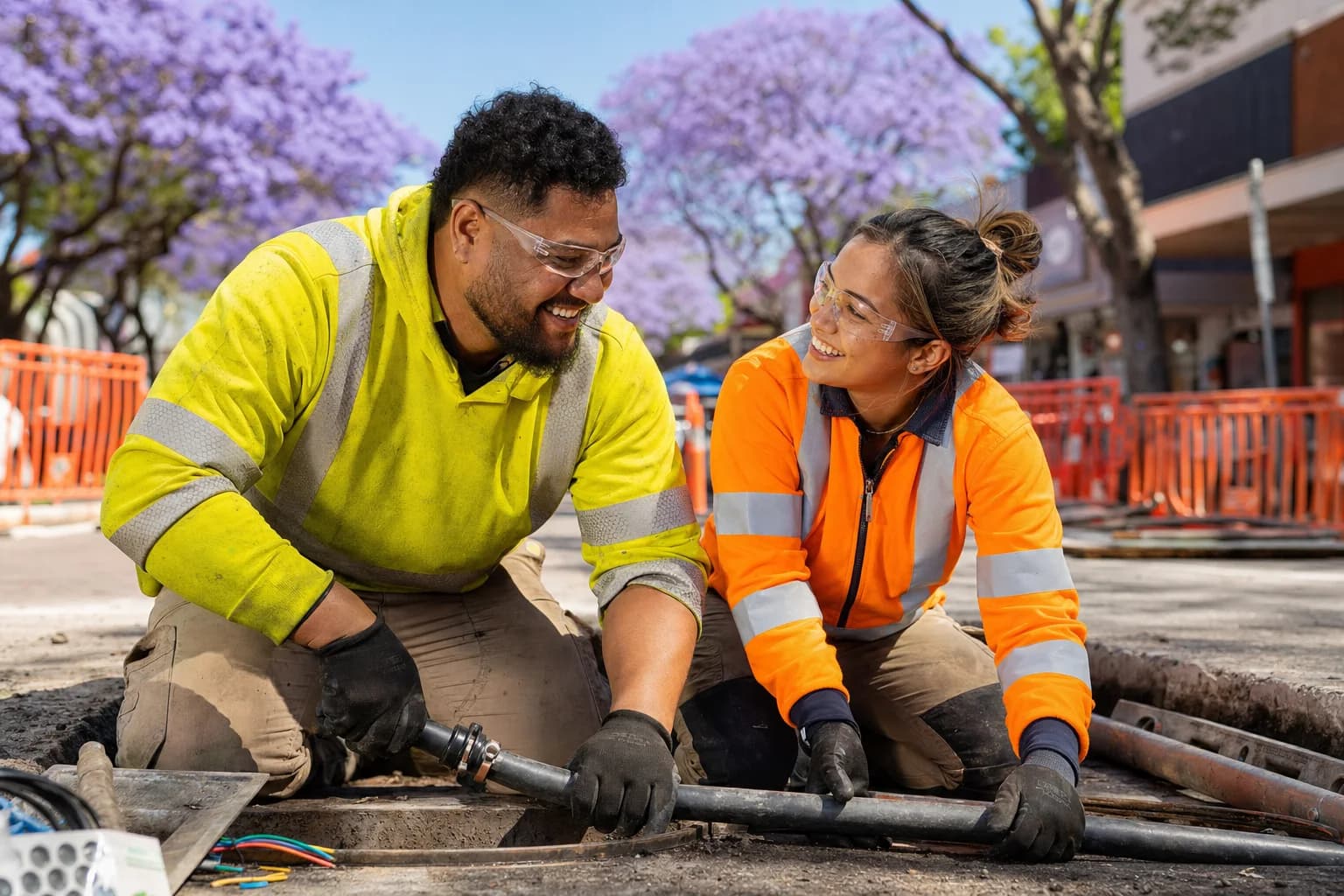
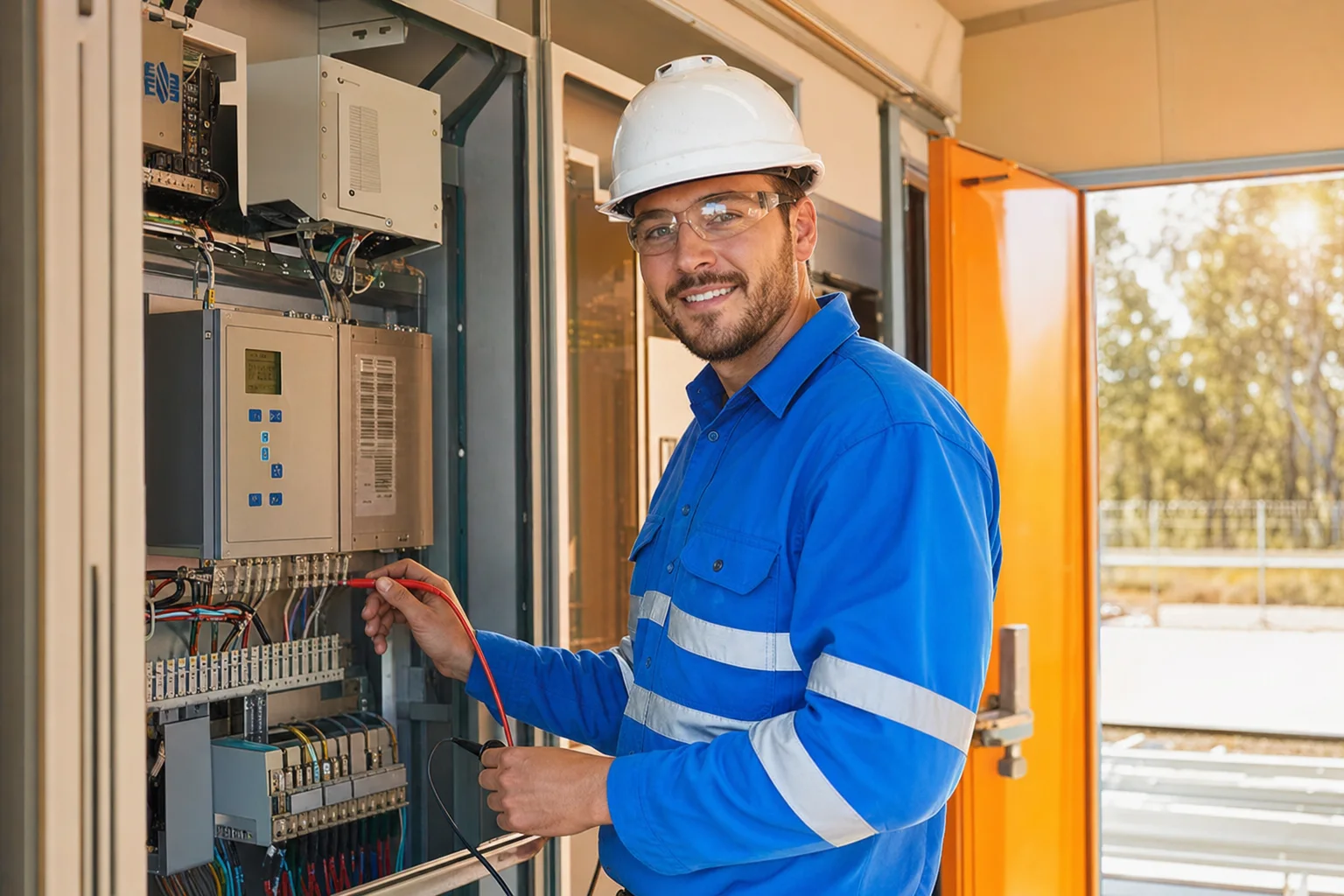
Rail electrical work splits into a few streams, and each one is a different job. Signal electricians install and maintain colour light signals, point machines, track circuits, power supplies, control systems and multicore cabling. Traction crews build and maintain the overhead wiring that powers electric trains. In Sydney that is 1500-volt overhead, plus high voltage transmission lines. Substation electricians look after rectifiers, transformers and high and low voltage switchgear that feed the network.
Then there is the fleet side. Rail maintainers work in depots on diesel and electric trains, finding and fixing faults in brakes, doors, radios, suspension and lighting. Sydney Trains also takes on cable jointers, telecommunications apprentices and auto electricians. Pick your stream early, because the training and the daily work differ a lot. Traction is outdoor work at heights in all weather. Depot work is under cover, but it runs on shifts.
How do you get in?
The usual entry is an apprenticeship with a rail operator, a network maintainer or a rail contractor. Sydney Trains runs a yearly intake covering signal electrical, substations, rail traction, fleet electrical, cable jointing and auto electrical. Its information pack says the apprenticeships run four years, except telecommunications at three. Apprentices move between depots every three or six months, and some streams do a rotation out to industry in second year.
If you already hold an electrical licence, you can move across into signalling. The Certificate IV in Rail Signalling (UEE41223) takes people who hold the Certificate III in Electrotechnology Electrician or a current unrestricted electrician licence. A Certificate III in Electrical Fitting is another entry pathway, but it comes with conditions. Further up the ladder there are diploma-level supervisor and manager roles. Engineers can do graduate signalling programs.
What tickets and checks do you need on the rail corridor?
Anyone doing rail safety work has to prove they are competent and fit. Under the Rail Safety National Law, accredited operators must run a health and fitness program that follows the National Transport Commission's National Standard for Health Assessment of Rail Safety Workers. The current edition started on 11 November 2024. Only doctors and health professionals registered with the Authorised Health Professional Program can do these assessments.
For track access you carry a Rail Industry Worker card. RIW is a national competency management system owned by the Australasian Railway Association. It records your tickets and your track access level. Traction work often adds high risk work licences. TAFE NSW's rail traction course leads to dogging, rigging and EWP licence applications, and you need a white card as well.
What are the hours like?
Plan on nights and weekends. A lot of work on the track can only happen when no trains or trams are running. South Australia's transport department calls these windows After Last, Before First, and contractors book them well ahead. Big upgrades go into extended shutdowns over long weekends and holidays.
Sydney Trains tells apprentices that weekend and overnight shifts will be part of the roster, mixed with TAFE and on-the-job training. Depot maintainers work rosters too, so trains are ready for the morning peak. Operators also have to manage fatigue under their safety systems. If you want regular day hours, rail construction and maintenance is a poor fit.
Pay
AUD a year, before tax. Typical figures come from ABS Employee Earnings and Hours, May 2025, for industrial electricians, moved to 2026 with a wage index. State figures are modelled. The award line is the official Electrical, Electronic and Communications Contracting Award 2020 minimum from 1 July 2026. Rail operators often pay under their own enterprise agreements, and shift and weekend penalties lift take-home pay. Refer to the Industrial & Mining Electricians salary guide for figures from live adverts.
What you need
- Trade qualificationComplete an electrical apprenticeship in a rail stream, such as signalling, traction, substations or fleet. Licensed electricians can add the UEE41223 Certificate IV in Rail Signalling.
- RIW cardYou need a Rail Industry Worker card for rail safety work on networks such as Adelaide's and Perth's. It records your track access level and competencies.
- Rail health assessmentYour fitness is assessed under the NTC National Standard for Health Assessment of Rail Safety Workers. Only registered Authorised Health Professionals can do it.
- Operator safeworking trainingEach network has its own safeworking rules. Perth's PTA, for example, expects RIW holders to keep up with updates to its Safeworking Rules and Procedures.
- High risk work licences (traction)Overhead traction work involves rigging, dogging and EWP work. TAFE NSW's rail traction course includes the assessments for these SafeWork NSW licences.
- White cardYou need a general construction induction card for construction sites, and rail projects are often run as construction sites.
State by state
| South Australia | Rail safety workers on the Adelaide train and tram network must hold an RIW card. Workers who don't do rail safety work complete a rail safety induction. You arrange access through Keolis Downer for trains or Torrens Connect for trams. |
|---|---|
| Western Australia | Everyone working on the PTA network must hold and carry a valid RIW card that shows a current track access accreditation level. |
| New South Wales | Rail traction graduates need a SafeWork NSW High Risk Work Licence to work in the field. Sydney Trains is the largest employer of rail electrical apprentices in the state. |
How to get there
- Before Year 1Pick a stream and applyChoose signalling, traction, substations or fleet electrical, then apply to a rail operator's or contractor's apprentice intake.
- Start of Year 1Clear medical and inductionsPass the rail safety worker health assessment, get your RIW card and complete the network's safeworking training.
- Year 1-4Apprenticeship rotationsRotate between depots every three or six months and study at TAFE. Expect night and weekend shifts.
- Year 2-4Add ticketsTraction apprentices pick up rigging, dogging and EWP licences. Everyone keeps RIW competencies current.
- Year 5+Qualify and specialiseLicensed electricians can do the Certificate IV in Rail Signalling to become signal maintenance technicians.
- Year 7+Move upMove into signalling supervisor or manager roles, often through a diploma, or into engineering through university.
Open now on ElectricalRoles.com.au
See all →
Questions people ask
Do I need to be a licensed electrician to work in rail signalling?
Not always on day one, because some operators train signal electricians from scratch as apprentices. The Certificate IV in Rail Signalling expects you to hold the Certificate III in Electrotechnology Electrician, an unrestricted electrician licence, or a Certificate III in Electrical Fitting with conditions.
What is an RIW card?
It is the Rail Industry Worker card. It sits on a national competency management system owned by the Australasian Railway Association, and it records your training and track access level. Networks such as Adelaide's and Perth's need it before you can do rail safety work.
Is there a medical for rail work?
Yes. Rail safety workers are assessed under the National Transport Commission's National Standard for Health Assessment of Rail Safety Workers, and the current edition took effect on 11 November 2024. Only registered Authorised Health Professionals can carry out the assessment.
Will I work nights?
Most likely. A lot of track work can only happen when trains are not running, overnight or during shutdowns. Sydney Trains tells apprentices that weekend and overnight shifts are part of the roster.
How long is a rail electrical apprenticeship?
At Sydney Trains, apprenticeships run four years, except telecommunications, which takes three. Apprentices rotate between depots and spend time at TAFE during those years.
What do rail electricians earn?
Modelled ABS data puts typical industrial electrician pay at about $117,700 a year nationally in 2026, and around $128,800 in Western Australia. The award minimum for an Electrical worker grade 5 is $58,193 a year, and shift penalties add to base pay.
Sources
- ONRSR: Safety management systems (health and fitness)
- RISSB: Authorised Health Professionals and the Medical Standard
- Public Transport Authority WA: Rail Industry Worker
- Department for Infrastructure and Transport SA: Rail network access
- Transport for NSW: Sydney Trains apprenticeship disciplines
- Transport for NSW: Sydney Trains apprenticeship information pack
- TAFE NSW: Certificate III in ESI - Rail Traction (UET30721)
- training.gov.au: UEE41223 Certificate IV in Rail Signalling
- Rail Academy Victoria: Rail signalling pathways
- Fair Work Commission: Electrical, Electronic and Communications Contracting Award 2020