
NSW Solar Installer Portal Is Live: What Sparkies Must Do Now
NSW's CER Installer Portal went live on 2 November. Key dates, CSIP-AUS inverters, backstop tests and what solar and battery electricians should do now.
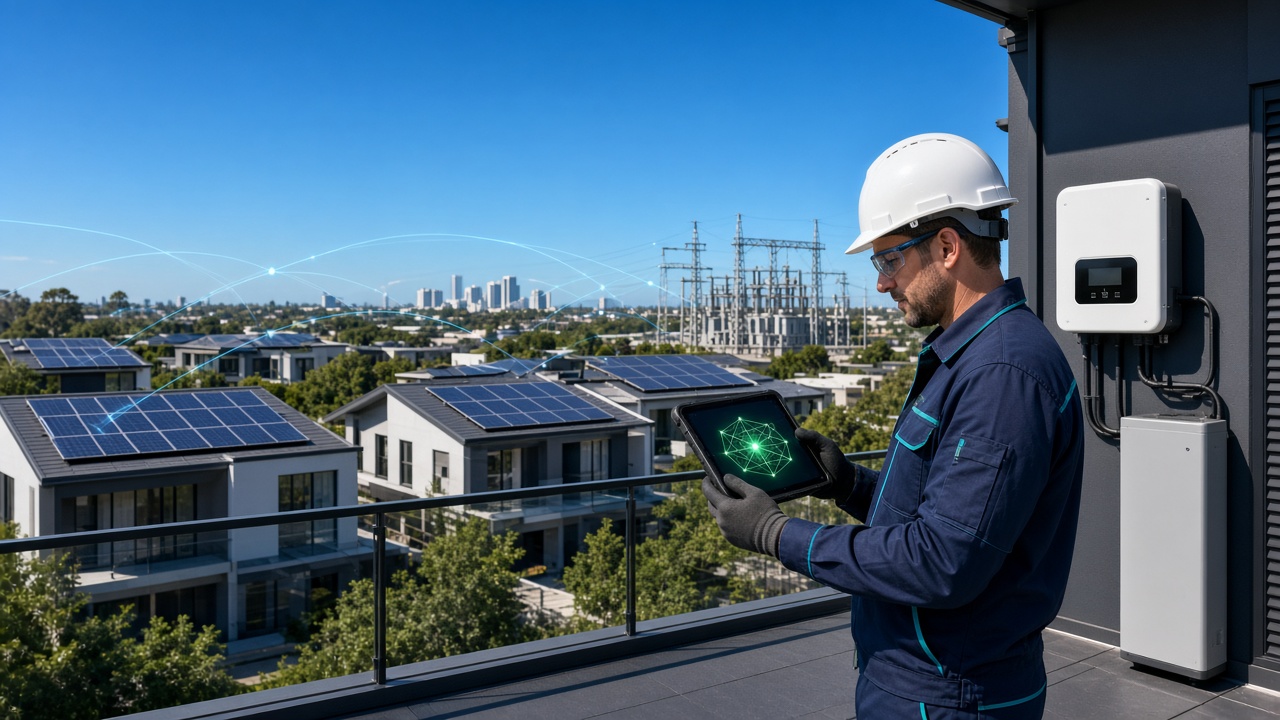
If you install solar or batteries in New South Wales, the way you sign off a job changed this week. On Monday 2 November the NSW Consumer Energy Resources (CER) Installer Portal went live, and over the next few months it becomes the one place where new and upgraded rooftop solar and battery systems up to 200 kW get registered, certified and commissioned.
I'll be honest: my first reaction to "another government portal" is usually a groan. But I've read the detail, watched the industry webinar and gone through the network dates, and this one is more interesting than it looks. It folds paperwork you already do into one workflow, it is the plumbing for the Emergency Backstop Mechanism, and it opens the door to flexible exports that let customers push more solar into the grid. For sparkies who get on top of it early, this is a chance to look sharper than the competition, not a reason to panic.
Here's what is changing, the key dates, and what I'd do this month if I were running a solar crew in NSW.
What the portal actually does
The NSW Government built the portal with the three distribution networks (Ausgrid, Endeavour Energy and Essential Energy). It gives installers a single registration process across all three networks instead of three different ways of doing things.
The workflow has three steps. First, the retailer or "applicant" submits a connection application through the network's own portal, the same as now. Those portals are being upgraded to capture inverter, panel and battery makes and models from Clean Energy Council approved lists, plus how the device will connect to the internet. Second, once the connection is approved, the job data flows into the CER Installer Portal, where the installer adds serial numbers and the commissioning date and completes the installation notification. Third, where backstop rules apply, the installer commissions the inverter into the network's utility server through the manufacturer's app, then runs a verification test and a capability test from the portal.
The bit that will save you time: for eligible solar and battery work, the portal lodges your Certificate of Compliance for Electrical Work (CCEW) and your AEMO Distributed Energy Resources Register (DERR) record for you. You won't need to close out a DER Register record separately for those jobs. If the same job also includes other electrical work, like a switchboard upgrade or new circuits, you still lodge a separate CCEW for that work through Building Commission NSW's eCert. There's no fee to use the portal, although the networks still charge their usual application fees.
The dates you need in your diary
This is where it gets fiddly, because the rollout is staggered by network and, for the backstop part, by postcode. According to the NSW Government's portal page (updated 2 November 2026):
- Endeavour Energy: new and upgraded systems up to 200 kW with a connection application submitted and approved from Monday 2 November 2026 must be commissioned through the portal.
- Ausgrid and Essential Energy: the same rule applies to applications submitted and approved from Monday 23 November 2026.
Earlier versions of the government's material had Essential Energy starting on 2 November alongside Endeavour, so if you work in Essential's area, check their website before you assume either date.
Ausgrid has published the most detailed timeline on its Emergency Backstop page:
- 23 November 2026: solar retailers register all new and upgrading systems up to 200 kW in the portal.
- 30 November 2026: capability testing begins, phased in by postcode, to confirm complying sites are backstop-enabled.
- 22 February 2027: all new and upgrading solar systems are registered in the portal and backstop-enabled.
- 22 May 2027: any system approved before 23 November 2026 that hasn't been commissioned must reapply to connect, register in the portal and meet backstop requirements.
That last date matters for your pipeline. If you've got jobs approved now that keep slipping, they need to be finished before late May 2027 or you're starting the connection process again.
The government also stresses that it's the connection application date, not the installation date, that decides which rules apply. And using the portal is mandatory even in postcodes where backstop testing hasn't started yet.
Why this is happening: the minimum system load problem
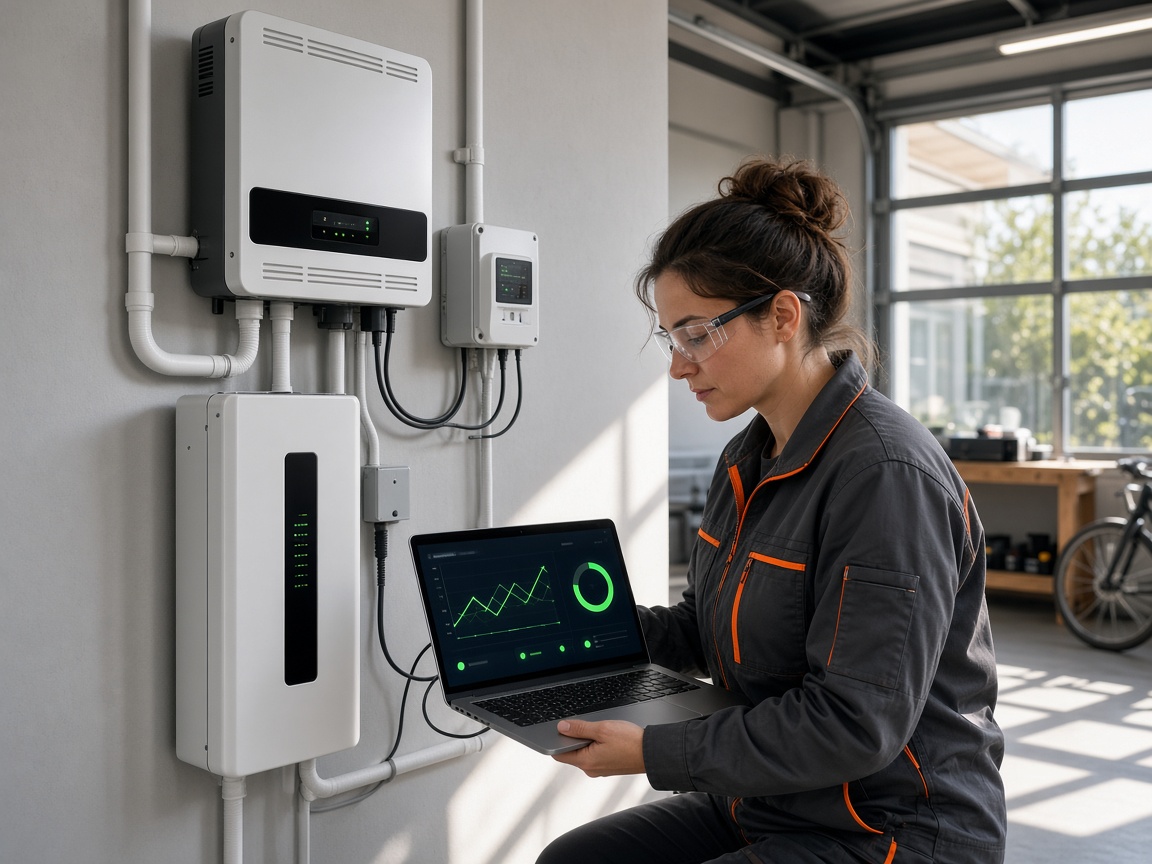
This isn't red tape for the sake of it. Rooftop solar is now so big that on mild, sunny weekend days it can push grid demand dangerously low. In the industry webinar, the NSW Government's grid integration manager said rooftop solar supplied more than half of the grid's energy needs at certain times of day back in 2024, and that this is forecast to reach 90 to 100 per cent in coming years. When too much power flows in and not enough is drawn out, you get a minimum system load event, and the risk of outages rises.
AEMO requires each state to have an Emergency Backstop Mechanism, a last-resort ability for networks to temporarily cut solar exports or pause generation when AEMO declares an emergency. South Australia brought it in in 2020, Western Australia in 2022, Queensland in 2023 and Victoria in 2024. New South Wales is the last of the big mainland states to join.
The upside is flexible export limits. Once a system can talk to the network, customers can export more when there's room on the local network and less only when it's needed. Essential Energy described options ranging from a 1.5 kW fixed limit up to flexible limits of 1.5 to 10 kW. That's a real selling point for customers, and it means more solar gets connected without expensive network upgrades. That's the sort of trade-off I like to see: smarter software instead of more copper.
What changes on site
For installers, the practical changes are:
- CSIP-AUS inverters. All new and upgraded rooftop solar up to and including 200 kW must use inverters that comply with the Common Smart Inverter Profile – Australia standard. Each network publishes a list of supported inverter and communication client combinations, so check it before you order stock. Don't get caught with a warehouse full of the wrong gear.
- An internet connection that actually works. The system must be communicating with the network's utility server. Where a premises has no reliable internet, Ausgrid says you must still fit CSIP-AUS equipment but set a low static export limit of 1.5 kW until connectivity is available.
- A capability test. Endeavour Energy's innovation lead said the test takes about 5 to 10 minutes on a well-set-up site, and can be triggered remotely. The portal times out after 30 minutes if firmware or the manufacturer platform is playing up. Ideally there's around 1.5 kW of export on the site during the test, and every site needs an energy meter, not just the retailer's meter.
- Batteries. AC-coupled batteries are exempt from the backstop requirements, mainly because the network can only support one connection per site. Hybrid inverters with PV connected are in scope. Legacy devices left untouched on site need to be switched off while you run the test.
- Exemptions. Ausgrid says the requirements don't apply to existing systems, embedded network customers, or like-for-like replacements such as warranty swaps.
My take: speed and paperwork are now a competitive advantage
Every compliance change shakes out the industry a little. The businesses that come out ahead are the ones whose crews are trained before the deadline, whose stock matches the network lists, and whose office staff know which jobs fall under which date. The ones that struggle are the ones that find out on a roof on a Friday afternoon that the test won't pass.
I also think this is a skills story. The job of a solar and battery electrician is moving from "bolt it on and wire it up" towards commissioning connected devices, sorting out network communications and diagnosing firmware. That's more valuable work, and it rewards sparkies who are comfortable with software as well as switchboards. With home batteries booming under the federal Cheaper Home Batteries Program, which the government expects will see more than 2 million Australians install a battery by 2030, there's a lot of this work coming. (I wrote about that surge in our home battery boom piece.)
What I'd do this month
- Do the free training now. The Clean Energy Council's LearnLAB has a free, self-paced portal training module (about 60 minutes, 10 CPD points) and a separate awareness module on minimum system load and the backstop (about 45 minutes, 20 CPD points). Ausgrid notes that Solar Accreditation Australia members can also do an Emergency Backstop course through SAA.
- Register early. Installers can register with their licence details from 2 November, so retailers can start allocating jobs to them straight away. Set up multi-factor authentication before you need it, not on the roof.
- Check your postcodes. Use your network's postcode checker to see when backstop testing starts in the areas you work.
- Audit your inverter range against each network's supported list, and push your suppliers for firmware updates now.
- Talk to customers about internet. A dodgy Wi-Fi signal in the meter box now affects their export limit. Including a connectivity check in the quote saves headaches later.
- Clean up your pipeline. Anything approved before 23 November in Ausgrid's area should be commissioned well before 22 May 2027.
If you're an electrician who enjoys this mix of hands-on work and smart tech, demand is only going one way. Browse the latest solar, battery and electrical jobs across Australia and New Zealand. Employers who need solar and battery installers ready for the portal can post roles there too.
The grid is getting smarter, and the sparkies who keep up with it will be the ones in demand. I'm optimistic about that.