
SEC Apprenticeship Academy: 2,000 Sparky Apprentices for Victoria
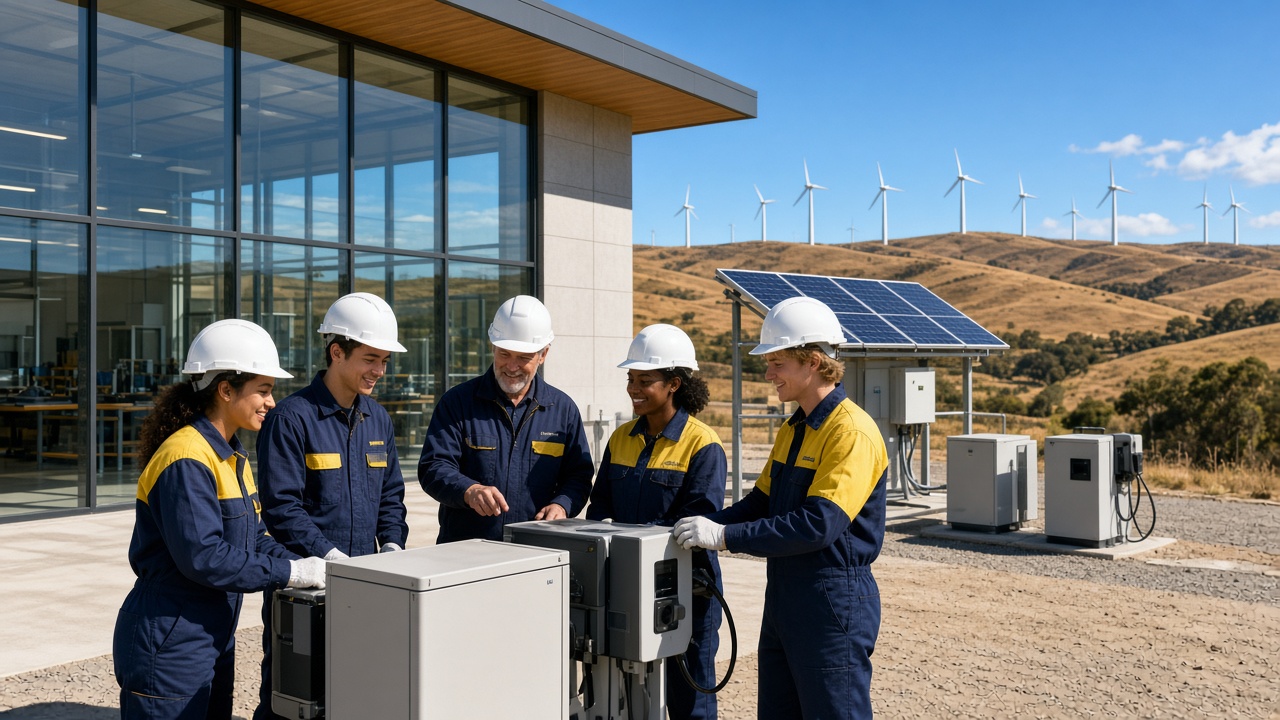
Victoria's SEC Apprenticeship Academy aims to train 2,000 electrical apprentices over four years. What we know, what we don't and how to register interest.
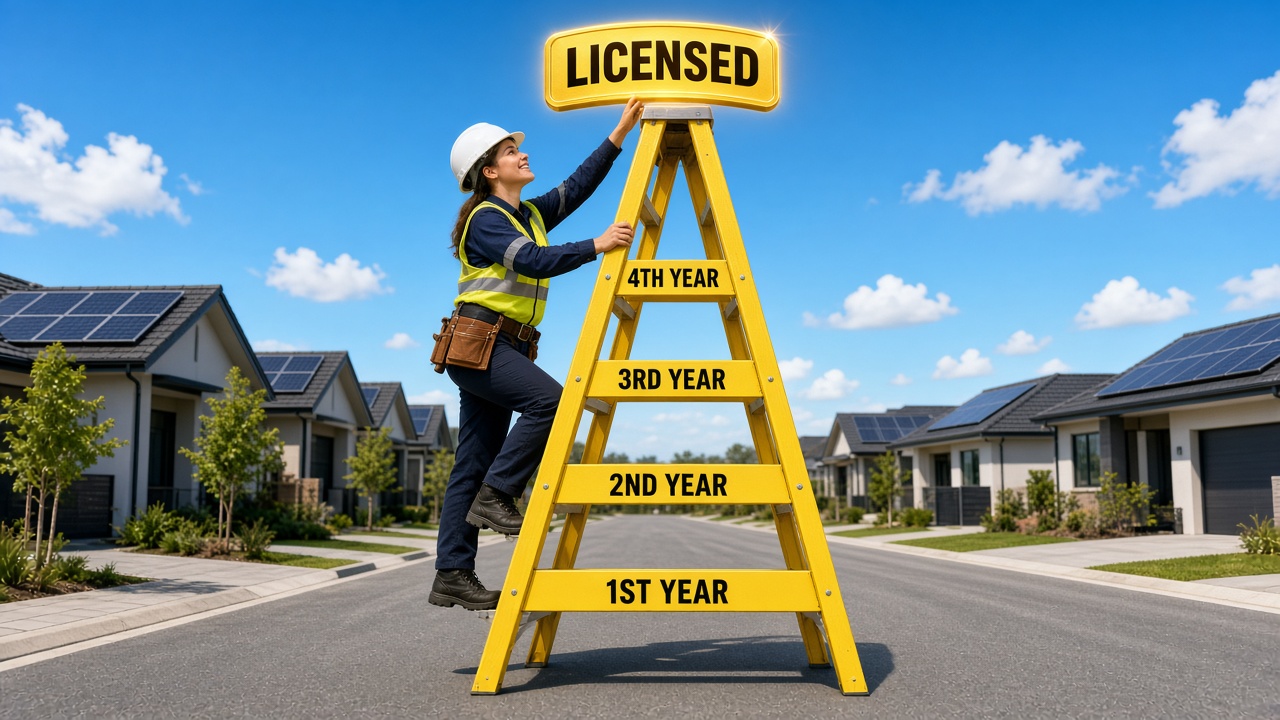
If you've been thinking about an electrical apprenticeship in Victoria, or you know a school leaver who has, put this one on your radar. The State Electricity Commission (SEC) is setting up what the Victorian Government calls the state's largest electrical apprenticeship training program: the SEC Apprenticeship Academy, which aims to support 2,000 apprentices over four years.
Expressions of interest have opened for a pilot intake of up to 40 apprentices, with the first starting early in 2027. I've read through the announcements and the detail that's been published so far, and I think it's one of the more interesting shifts in how Australia trains sparkies in a long time. Here's what we know, what we don't know yet, and how I'd approach it if I were applying.
What's been announced
The headline commitment came in May. The Victorian Government announced that the SEC Apprenticeship Academy would offer 2,000 electrical trade apprenticeships over four years, that every one of those apprentices would be employed by the SEC, and that the SEC would become the largest employer of electrical apprentices in the state. Rather than leaving apprentices to find their own way from site to site, the Academy would place them on a wide range of energy projects, with training facilities planned in Melbourne and in regional Victoria. That May announcement said the first full intake would begin in January 2027.
Then on 22 October came the next step. The government confirmed that the SEC will partner with NECA Education & Careers and the Electrical Trades Union to run a pilot giving 40 electrical apprentices a start, with the first apprentices beginning early next year ahead of the Academy's launch in the first quarter of 2027. ECD reported on 28 October that the SEC is now seeking expressions of interest, and the SEC's workforce page says the pilot is managed and delivered by NECA Education & Careers, with all enquiries directed to them.
The pilot has its own site, the SEC Apprenticeship Academy registration page, where you can register your interest and get updates as more information is released.
I like that the employer and union sides of the industry are both at the table. NECA Education & Careers CEO Gideon Perrott said "Victoria's renewable energy rollout is creating huge demand for electricians – this Academy will give more Victorians the skills to turn that opportunity into a career." ETU Victoria President Danny Filazzola said the Academy "will help Victorian apprentices earn while they learn and build a secure future for the State." When both sides agree on a training model, apprentices usually win.
Why Victoria needs this many sparkies
The numbers behind this are big. According to the government's October announcement, which draws on its energy jobs projections:
- Victoria's energy workforce is expected to grow from around 45,000 workers today to 68,000 by 2040.
- The number of electricians working in Victoria's energy sector is projected to grow by more than 90% from 2026, reaching around 8,500 by 2040.
- Jobs supporting home battery installations are projected to almost triple to around 2,600 workers by 2040.
- Jobs supporting EV infrastructure are expected to quadruple to around 14,300 workers by 2040.
- Around 37% of Victoria's energy jobs will be in regional Victoria, while metropolitan Melbourne's energy sector is expected to support almost 35,000 workers.
That lines up with the national picture. Powering Skills Organisation's 2026 workforce update, covered by Construction Australia, kept its call for an extra 42,000 energy trades workers by 2030 and added roughly 17,000 more for housing and around 13,000 for data centres. The same report notes some good news: NCVER data for the March quarter of 2026 showed electrician commencements up 19% on a year earlier to 6,870, which NCVER described as record-high quarterly commencements.
So more people are starting. The challenge, and the reason a program like this matters, is getting them all the way through to their licence.
Why the employment model matters more than the headline number
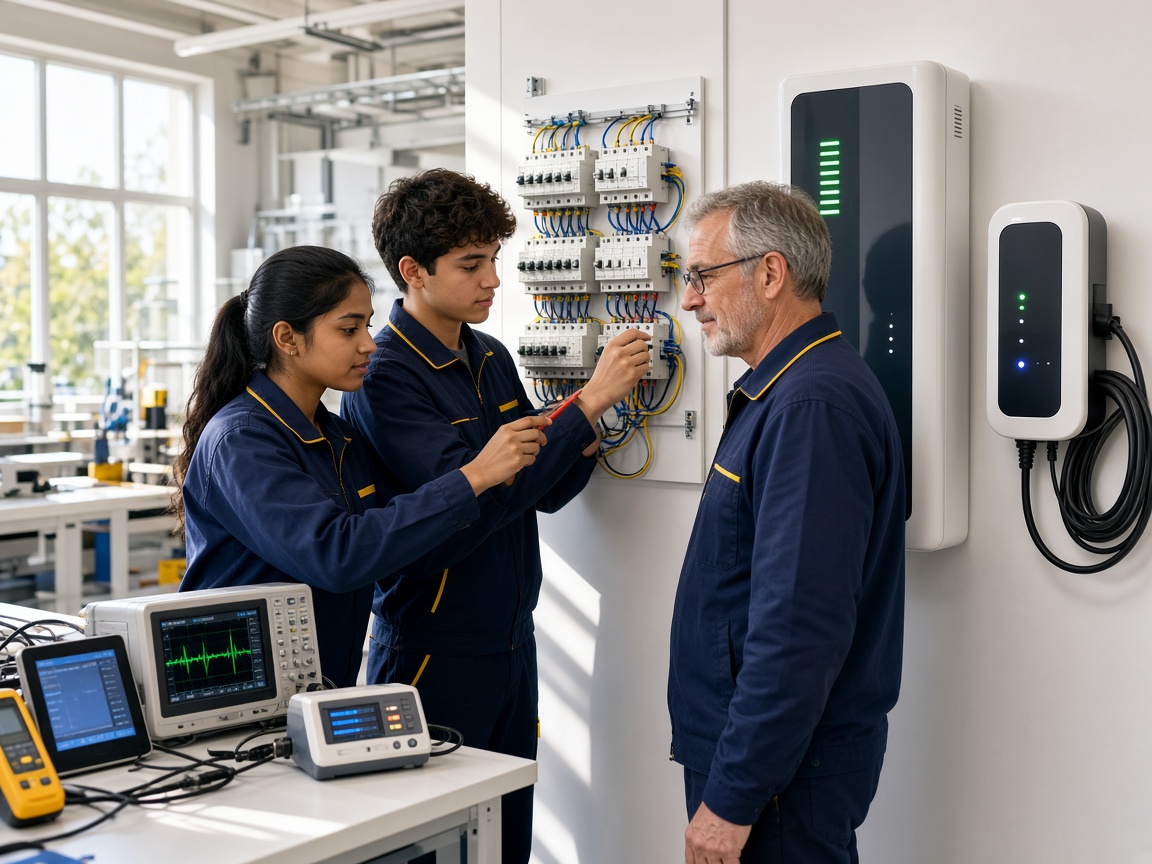
This is the part I find most interesting. In the traditional model, an electrical apprentice has to be employed by a business that already has a licensed electrician, or placed through a group training organisation. Construction Australia's write-up of the PSO update notes there are roughly 48,000 electrical contracting businesses in Australia, and only around one-third currently employ an apprentice. Most are small businesses, and taking on an apprentice is a serious commitment of time and money for a small shop.
The government's own framing of the problem is blunt. Its May announcement said that getting a start on a worksite is something most apprentices now have to find themselves, moving from site to site and job to job without security, and that this is part of why more young people aren't completing.
The SEC model flips that. One large employer holds the apprenticeship, and the apprentice is placed across different energy projects. In theory, that gives you three things a lot of apprentices currently miss out on:
- Continuity. If one project winds down, you're moved to the next rather than being let go.
- Breadth. Exposure to a range of energy work, from network upgrades to batteries and renewables, rather than one narrow slice of the trade.
- A cohort. Training and working alongside other apprentices at the same stage, which I think is hugely underrated for completion rates.
It's not a silver bullet. Small and medium contractors will still train the majority of Australia's sparkies, and they deserve more support for doing it. But as an extra pathway, especially for people who can't find a host employer on their own, it's a genuinely good idea.
What we don't know yet
I'd rather be straight with you about the gaps. Based on what's been published so far, a few details haven't been spelt out publicly yet:
- Pay rates for SEC apprentices, beyond the commitment that they'll earn while they learn.
- The exact selection criteria and how places will be split between metro and regional applicants.
- Which specific projects apprentices will be placed on.
- Where exactly the Melbourne and regional training facilities will be.
NECA Education & Careers says it will share more information over the coming weeks. If you're keen, register your interest now so you're first to hear.
It's also worth knowing that Victoria goes to the polls on 28 November 2026, and the future of the SEC has become an election issue. I'm not going to wade into the politics. I'd simply say: register your interest, but don't put all your eggs in one basket. Apply for other apprenticeships at the same time.
How I'd approach it if I were applying
Register early. Pilots are small. Forty places is not many, and the people who register first tend to be the ones who hear about each step first.
Show genuine interest in energy. The Academy is clearly built around the energy transition: network upgrades, batteries, EV infrastructure and renewables. If you've done a school work placement, built something electrical at home, or followed what's happening with home batteries and EV charging, say so.
Get the basics sorted. For most electrical apprenticeships, solid maths, a driver's licence (or working towards one) and reliability count for a lot. A pre-apprenticeship course can also give you a head start, and it shows an employer you're serious.
Keep your options open. Large employers, distribution networks, group training organisations and plenty of excellent small contractors are hiring apprentices right now. Our guide to getting your electrical licence in Australia walks through the full pathway from apprentice to licensed sparky.
If you're mid-career: don't assume apprenticeships are only for 17-year-olds. Mature-age apprentices bring life experience that employers value. Ask NECA Education & Careers directly whether the pilot considers mature-age applicants.
My take
I'm genuinely optimistic about this. For years we've talked about the sparky shortage as if it's weather, something that just happens to us. The SEC Apprenticeship Academy is one concrete answer: a big employer making a long-term commitment to train people, with industry and the union both involved, and with a clear line of sight to the work that's coming in batteries, EV charging, grid upgrades and renewables.
If you're thinking about a career in the electrical trade, the timing has rarely been better. The demand is real, the projects are real, and more pathways are opening up. Register your interest, back yourself, and keep an eye on the latest electrical jobs and apprenticeships across Australia and New Zealand.