
Sydney Basin Nearly Full for Data Centres: Sparky Jobs
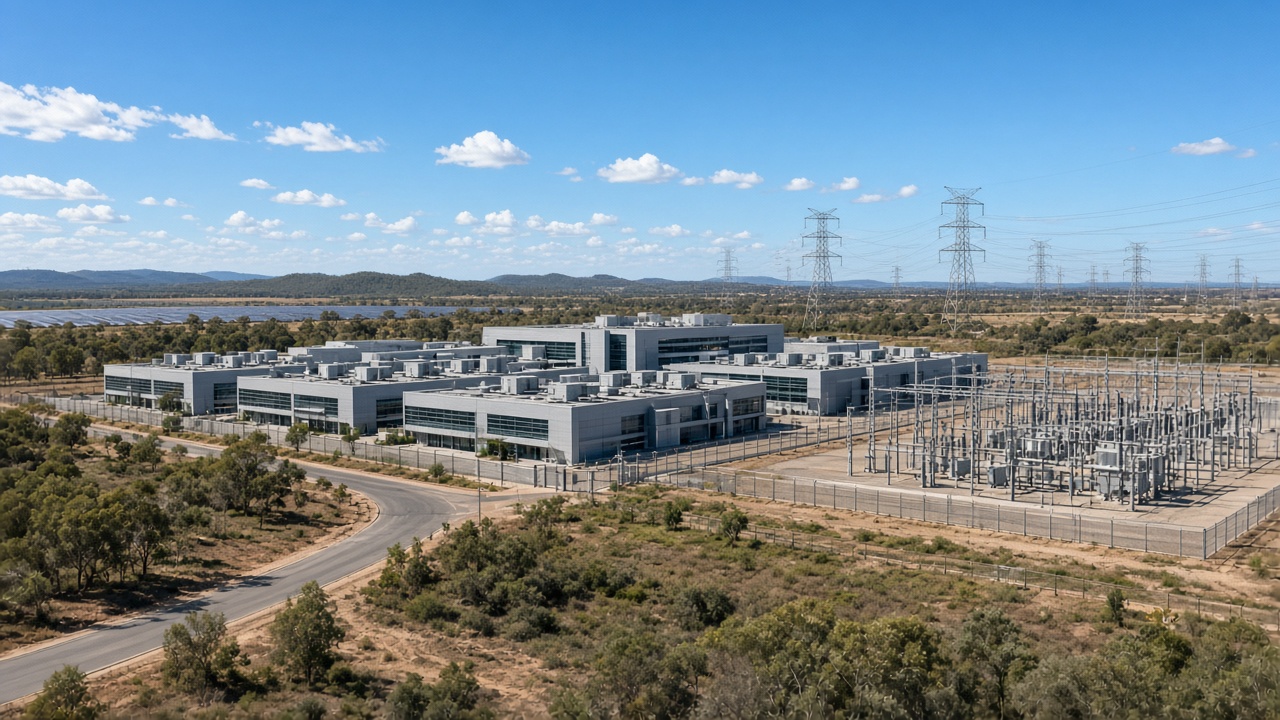
Transgrid says Sydney basin data centre capacity is nearly full without new transmission. Here's what that means for HV and regional sparky jobs.
Sydney’s data centre boom is not running out of appetite. It is running into the grid. In early November 2026, reporting on a Transgrid letter to connection applicants made that bottleneck hard to ignore: the Sydney basin is close to full for new data centre load unless proponents fund major transmission and substation works. For electricians, that is not a dead end. It is a signal that the next wave of HV work will lean harder on transmission upgrades, regional sites and the kit that sits between a data hall and the network.
If you have been chasing fit-out roles in Western Sydney and wondering why the conversation suddenly includes South Creek substations and Hunter Valley alternatives, this is why.
What Transgrid told data centre applicants
Best Effort reported on 2 November 2026 on a Transgrid letter dated 20 August 2026 to data centre connection applicants. The message was blunt. After roughly 1.5 GW of signed data centre load in the Sydney basin — a figure Transgrid had already confirmed in a 17 June 2026 letter covering Western Sydney signed agreements — remaining capacity is limited.
More headroom, Transgrid said, would require augmentation paid by proponents. Done properly, those works could unlock up to about another 2 GW. The minimum package of works expected includes:
- A South Creek substation
- New transmission capacity between South Creek and Sydney West
- Works at Sydney West
- Dynamic and/or static compensation
That proponent-pays approach sits with Commonwealth and NSW connection reforms. Enquiries already exceed 20 GW — about double NSW peak demand. The process is market-led and first-to-commit. Transgrid warned that remaining capacity, including capacity unlocked by augmentations, could be committed within months. Applicants who cannot land a Sydney basin slot are being pointed toward regional options such as the Hunter and the Riverina.
None of that is abstract for sparkies. Every one of those augmentations is steel, copper, protection, commissioning and outage planning. Regional alternatives mean camps, travel, HV cable and new substations outside the metro comfort zone.
The national demand picture behind the queue
The Sydney squeeze sits inside a bigger Australian story. PV Magazine Australia reported on 4 November 2026 (Muren Guler / EMMS) that the IEA sees global data centre electricity use rising from 415 TWh in 2024 to 945 TWh by 2030. Australia already has more than 160 operational data centres accounting for about 3% of demand. AEMO forecasts data centre usage climbing from roughly 5 TWh to about 34 TWh — around 13% of operational demand — over the next decade.
Grid capacity is the bottleneck. Victoria is planning to require new data centres to generate or store their own power and to bear connection and upgrade costs. Federally, expectations are growing that new load comes with additional clean generation and storage. In other words, the industry is being nudged away from “plug into the nearest strong busbar and hope” toward co-located renewables, batteries and customer-funded network works.
That mix is exactly where electrical trades stay busy: transmission, substations, HV cable, protection and control, commissioning, and battery energy storage systems (BESS) sitting beside data halls.
What this means for electricians — beyond metro fit-out
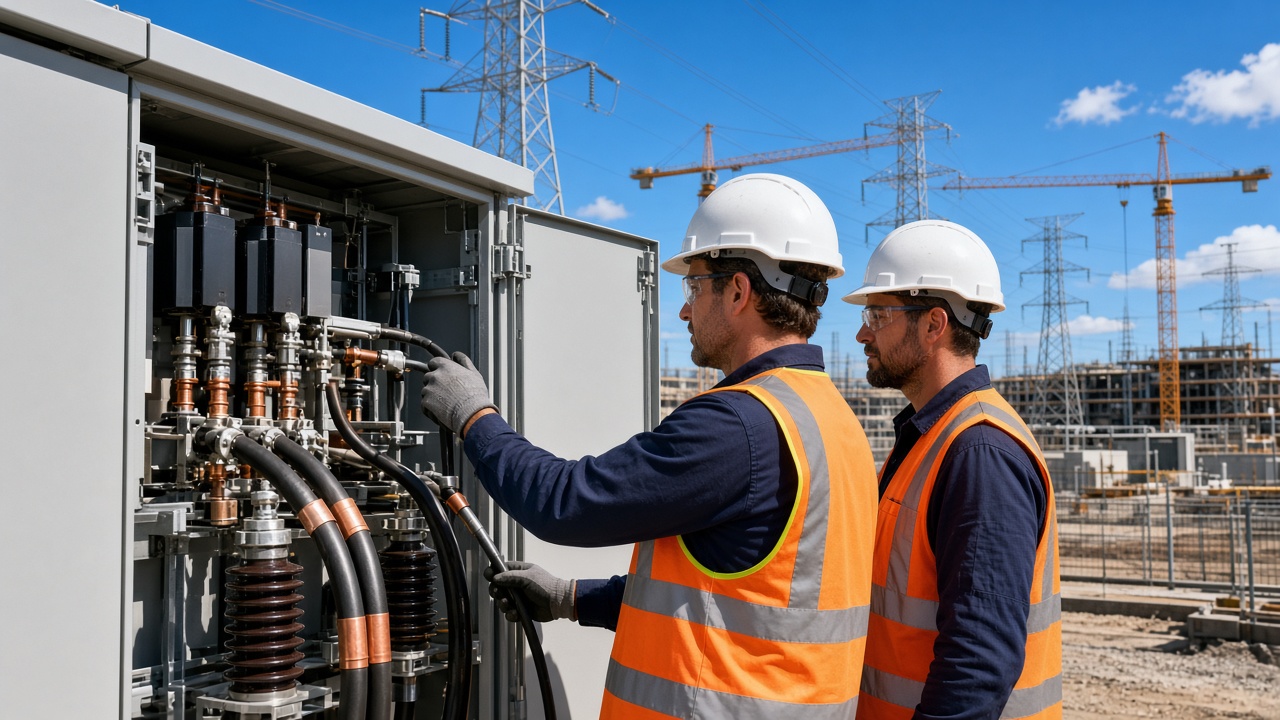
It is tempting to think “data centre jobs” only means UPS rooms, busways and generator changeovers in Western Sydney. Those roles still matter. But the Transgrid letter and the AEMO demand curve push the opportunity set wider:
- Transmission and substation construction around South Creek, Sydney West and any augmentation package that gets funded
- HV cable and jointing on new links that move capacity into the basin
- Protection, SCADA and commissioning for new plant and for dynamic or static compensation
- Regional NSW builds in the Hunter and Riverina if proponents redirect load there
- BESS co-located with data centres, where high-voltage interface work and grid codes collide with tight programme dates
If you already know data centre electrician pathways, treat transmission literacy as the next lever. The people who can move between hall fit-out and network interface will be hard to replace.
Where to skill up (practical, not fluffy)
You do not need a new identity overnight. You need a sharper stack of tickets and project evidence.
- High voltage competence — switching, isolation, authorised person pathways, and comfort working under network rules.
- Commissioning experience — protection testing, secondary systems, hold points and as-built documentation that survive audit.
- Data centre project hours — even a short secondment on UPS, generators or critical power helps when recruiters shortlist.
- BESS and inverter-rich plant familiarity — co-located storage is becoming part of the connection conversation, not an optional extra.
- Regional readiness — medicals, travel flexibility and a CV that shows you can deliver outside metro depots.
Pair that with a habit of reading connection news. When a transmission company says the basin is nearly full, the hiring signal often shows up first in EPC and utility contractor ads, not in glossy campus brochures.
Optimistic read for AU sparkies
Yes, a capacity ceiling sounds like friction. In practice it usually means more construction, not less electricity. Proponent-funded augmentations, regional campuses and co-located generation or storage all create programmes that need licensed electricians who can work safely at voltage and pace.
NSW is still the centre of gravity for data centre load. Watch Western Sydney for ongoing fit-out and interface work, and keep an eye on Hunter and Riverina announcements if large loads relocate. Victoria’s policy direction on self-supply and cost-bearing will shape another wave of roles further south.
For day-to-day hunting, keep /jobs open and filter for high voltage, transmission, substation, data centre and battery keywords. Set alerts. When a first-to-commit queue is measured in months, hiring ramps can move just as fast.
Bottom line
Transgrid’s August 2026 letter does not kill Sydney’s data centre story. It relocates the hard work onto transmission, compensation plant and regional alternatives — exactly the places where skilled electrical trades earn their keep. Global demand is rising, AEMO’s decade-ahead numbers are large, and Australia’s renewable advantage only pays off if the wires and the people keep up.
If you are a sparky who likes complex plant, clear safety systems and projects that actually matter to the grid, this bottleneck is your cue. Skill into HV and commissioning, stay open to regional NSW, and follow the roles as they land.