
What Does a Power Technician Do? NZ Pay and Pathways
Power Technicians keep NZ substations and networks running. See the role, advertised pay ranges, and the new WEL–Connexis apprenticeship pathway.
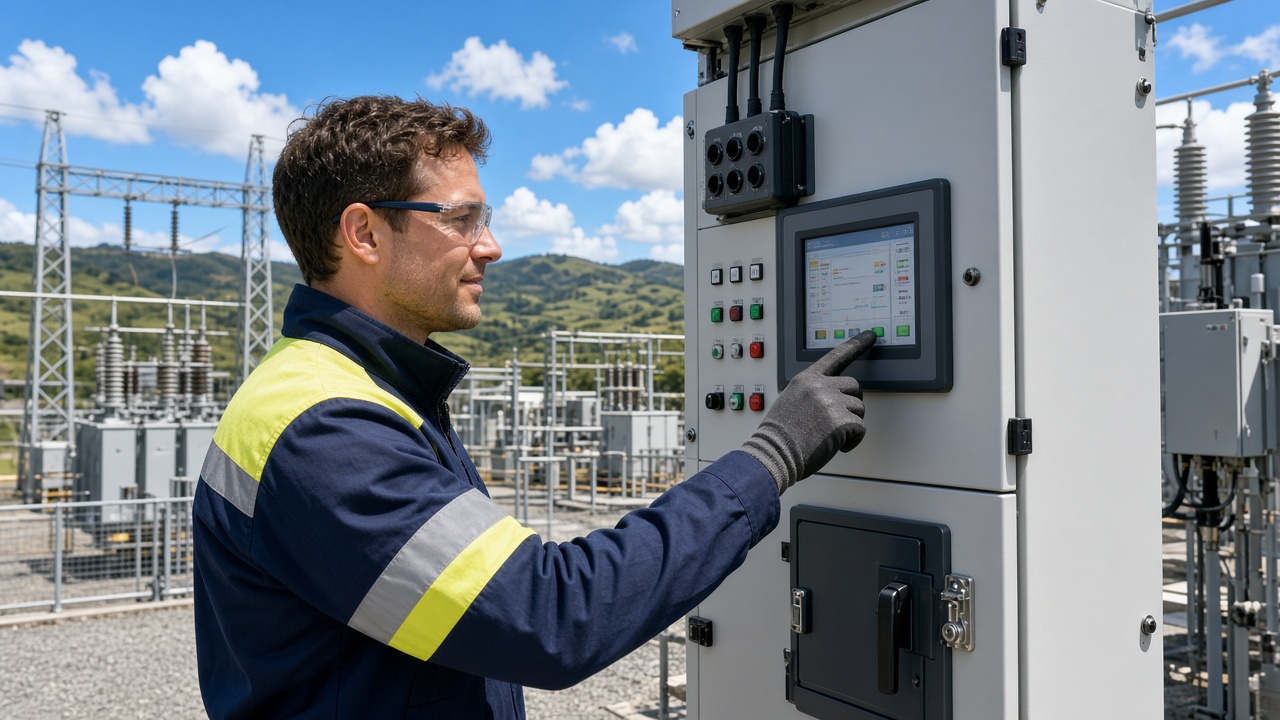
If you have ever watched a substation come alive after a fault or seen a network crew switch a feeder under pressure, you already know why Power Technicians sit near the top of the electricity distribution pecking order. They are the people who install, test, maintain and repair high-voltage substation and network equipment, investigate faults, carry out switching, and support protection, control, SCADA and communications systems. In New Zealand that skill mix is in short supply — and the industry has just opened a clearer pathway into the role.
For Australian sparkies eyeing a stint across the Tasman, and for Kiwi tradies already on the tools, the timing is useful. Distribution businesses are preparing for denser electrification, smarter grids and more complex protection schemes. That is good news if you like technical depth, variety and pay that reflects the risk and responsibility.
What a Power Technician actually does
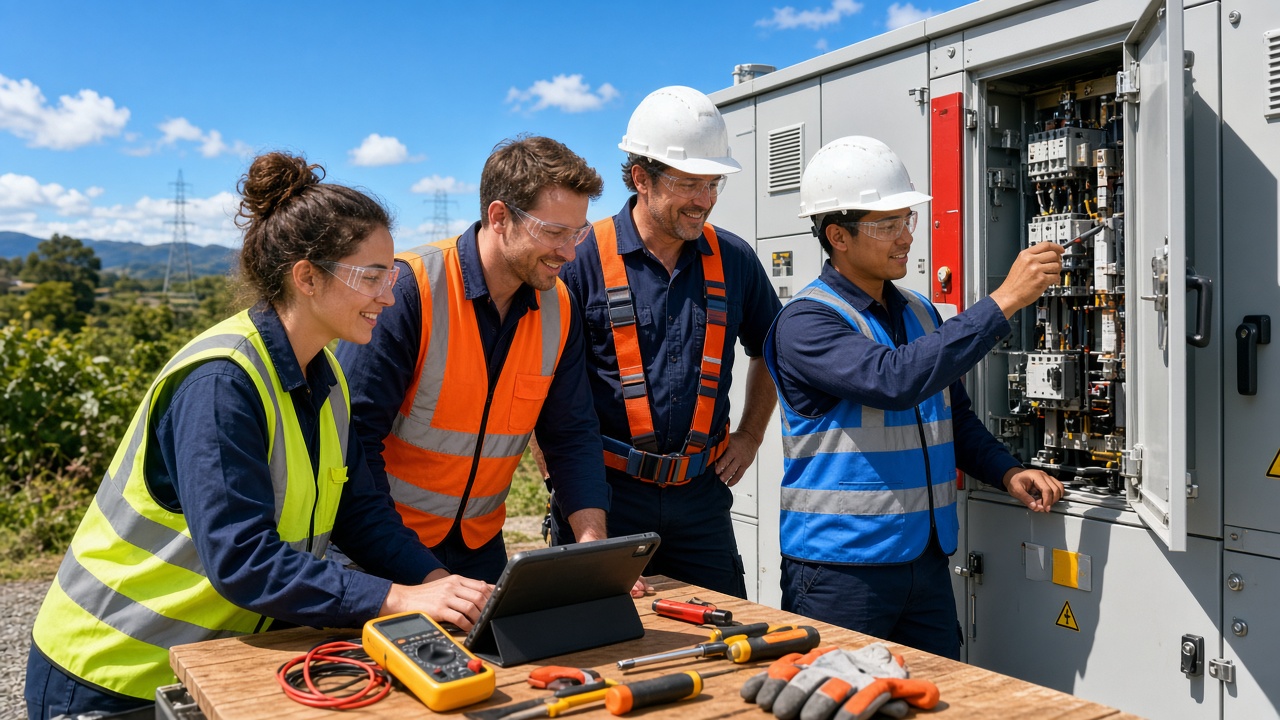
Day to day, a Power Technician in NZ electricity distribution is not a generic sparky with a hard hat. The work sits at the intersection of trade electrical competence and specialised network equipment. Typical responsibilities include:
- Installing, testing, maintaining and repairing HV substation and network plant
- Investigating faults and restoring supply under controlled switching regimes
- Supporting protection, control, SCADA and communications systems that keep the network stable and visible
- Working to distribution business procedures, safety rules and permit systems that leave little room for improvisation
It is hands-on, analytical and collaborative. You will work with lines crews, protection engineers, control room operators and contractors. You need to be comfortable with both the physical kit and the paperwork that proves it is safe to switch.
If that sounds close to substation electrician work on the Australian side, you are in the right neighbourhood — the titles differ, but the HV mindset is familiar.
Why NZ is short of Power Technicians
Electricity distribution businesses (EDBs) across New Zealand have flagged Power Technicians as a critical shortage. That finding was called out in the Re-Energise 26 report, and it is the backdrop to a new training pathway announced in October 2026.
More load on the network, more distributed energy, more automation and ageing plant all push demand for people who can keep substations and feeders healthy. You cannot paper over that with short courses alone. Employers need a structured progression that turns a solid electrical trade start into a qualified Power Technician without skipping the hard yards.
WEL Networks and Connexis: a new Advanced Powertech pathway
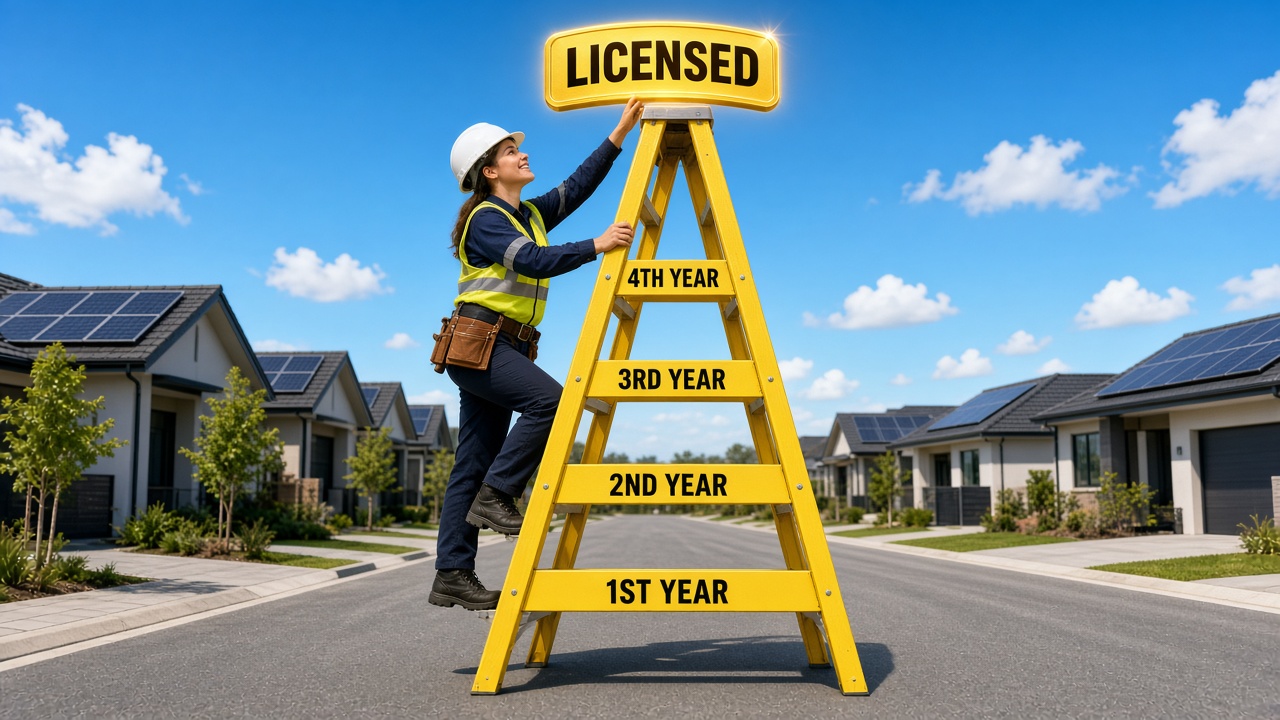
On 21 October 2026, at Annual Connection 2026, WEL Networks and Connexis announced an Advanced Powertech Apprenticeship Pathway. The model combines an Electrical Trade Level 4 apprenticeship with Level 5 Powertech training in a cohort-based programme. The point is not to cut required skill training — it is to shorten the calendar path from a new electrical trade start through to a qualified Power Technician role, with structured progression that EDBs can actually plan around.
The first Hamilton cohort is expected in early 2027. Connexis is seeking expressions of interest from employers who want to take part. Separately, Connexis is transitioning from 1 November to an industry-owned private training establishment, with TEC approval — a shift that puts employer voice closer to how training is designed.
WEL Networks chief executive Garth Dibley put the industry case plainly:
"We've championed this initiative and we're delighted to be working with Connexis on an advanced apprenticeship pathway that provides structured progression into Power Technician roles and meets the needs of Electricity Distribution Businesses (EDBs) as we transition to an increasingly electrified future."
And on the collective challenge:
"Building the specialist technical workforce we need moving forward is a challenge best addressed collectively by industry."
Kaarin Gaukrodger, Connexis Executive Director, framed it as the point of an industry-owned Connexis:
"This collaboration shows what an industry-owned Connexis is all about: listening to industry, understanding employers' skills challenges and priorities, and working together on practical, streamlined training solutions."
And on the wider sector opportunity:
"This Powertech pathway is an opportunity to work directly with the wider electricity distribution sector to build the specialist capability industry needs for the future."
That language matters. It is not a one-off employer programme bolted onto a generic trade. It is EDBs and the industry training body trying to fix a known bottleneck together.
Pay: what open roles are advertising
Pay for Power Technician and closely related substation or power station electrical technician roles varies by region, employer and experience. Treat the figures below as advertised ranges from open listings and career boards, not national averages.
- A Delta Utility Services listing in Hope / Tasman has advertised around $45–$50 per hour
- Other New Zealand ads have shown around $55–$65 per hour in Canterbury
- Tahatū Careerboard's occupation page for power station and substation electrical technician lists a most common range of $86,000–$104,000
Those numbers sit comfortably against specialist HV roles on the Australian boards, especially once you factor overtime, call-outs and regional allowances. Always check the specific ad for inclusions, overtime rules and whether the rate is for a fully ticketed Power Technician or a progression role.
Pathways if you are already on the tools
If you are early in your electrical career in NZ, the new WEL / Connexis pathway is worth watching closely. Ask your employer whether they intend to submit an EOI, and get clear on what Level 4 plus Level 5 Powertech progression would look like in your depot.
If you already hold a NZ electrical trade qualification and want to specialise, talk to your EDB about internal Powertech development, protection and switching endorsements, and SCADA / communications exposure. The scarcest people are often those who can move confidently between the physical plant and the systems that monitor it.
Australian licensed electricians considering NZ work should check mutual recognition and ticket requirements early. Australia and New Zealand have long-standing arrangements for recognising many electrical licences, but employers still care about local safety rules, network authorisations and site inductions. Do not assume your home-state licence drops straight into a live substation permit — plan the paperwork before you pack.
Why distribution careers matter as grids get smarter
It is easy for the public conversation to focus on generation — wind, solar, batteries — and skip the quiet work that gets electrons safely to customers. Distribution is where a lot of the next decade's complexity lands: more DER, more protection schemes, more remote switching, more data from the field. Power Technicians sit in that complexity.
That is also why the role stays interesting. You are not stuck on one building site for years. You rotate across assets, faults and projects. You learn systems thinking. And as networks get smarter, the people who understand both copper and control will keep getting the interesting jobs.
Practical next steps for AU and NZ sparkies
- Read the Connexis announcement and watch for employer EOIs and the early-2027 Hamilton cohort if you are NZ-based or recruiting there.
- Map your current tickets against HV, switching, protection and SCADA gaps — then fill the ones that open Powertech doors.
- Talk to EDBs and contractors about progression roles, not only fully qualified vacancies; many teams hire for potential once safety culture is right.
- Browse live NZ and AU distribution roles on /jobs and set alerts so you see Power Technician, substation and network technician ads as they land.
- If you are crossing the Tasman, confirm licence recognition, medicals and authorisation pathways with the hiring EDB before you resign at home.
The electrified future sounds glossy in strategy decks. On the ground it still needs people who can isolate, test, repair and restore with calm heads. Power Technicians are those people — and NZ is finally building a cleaner on-ramp into the role. That is a pathway worth taking seriously.