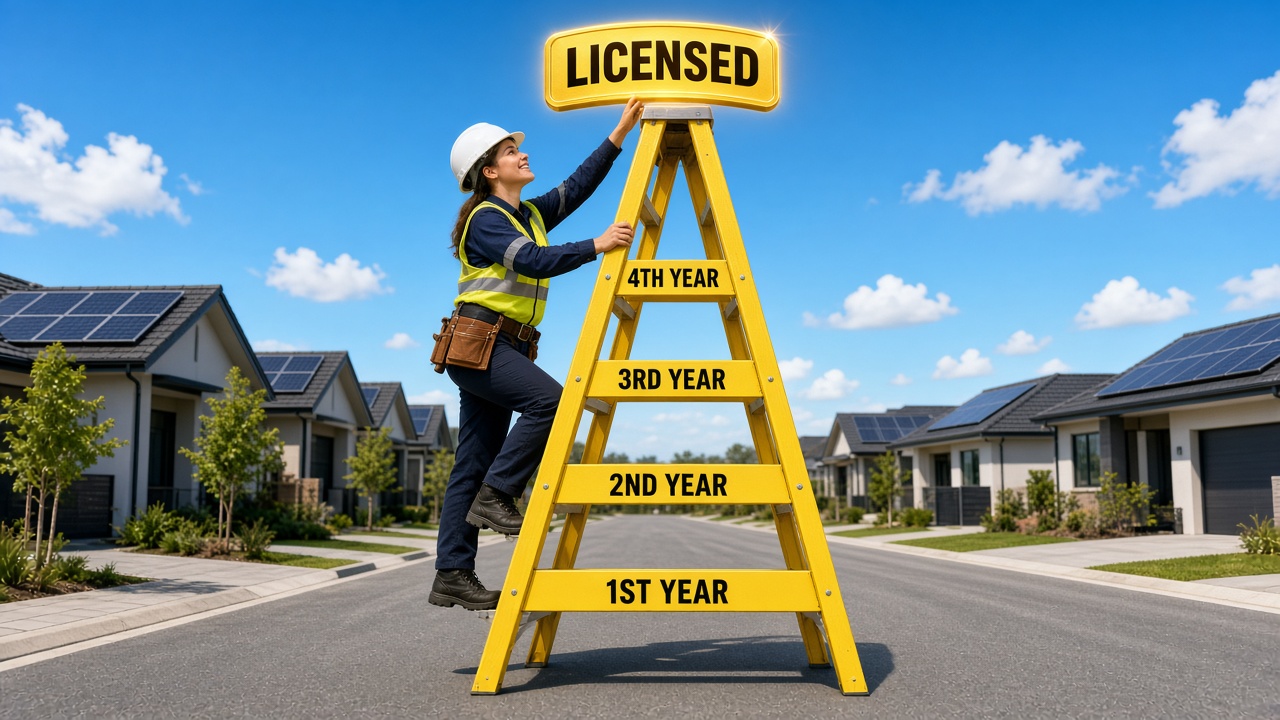

What Does an Electrical Estimator Do? Pay, Skills and Pathways
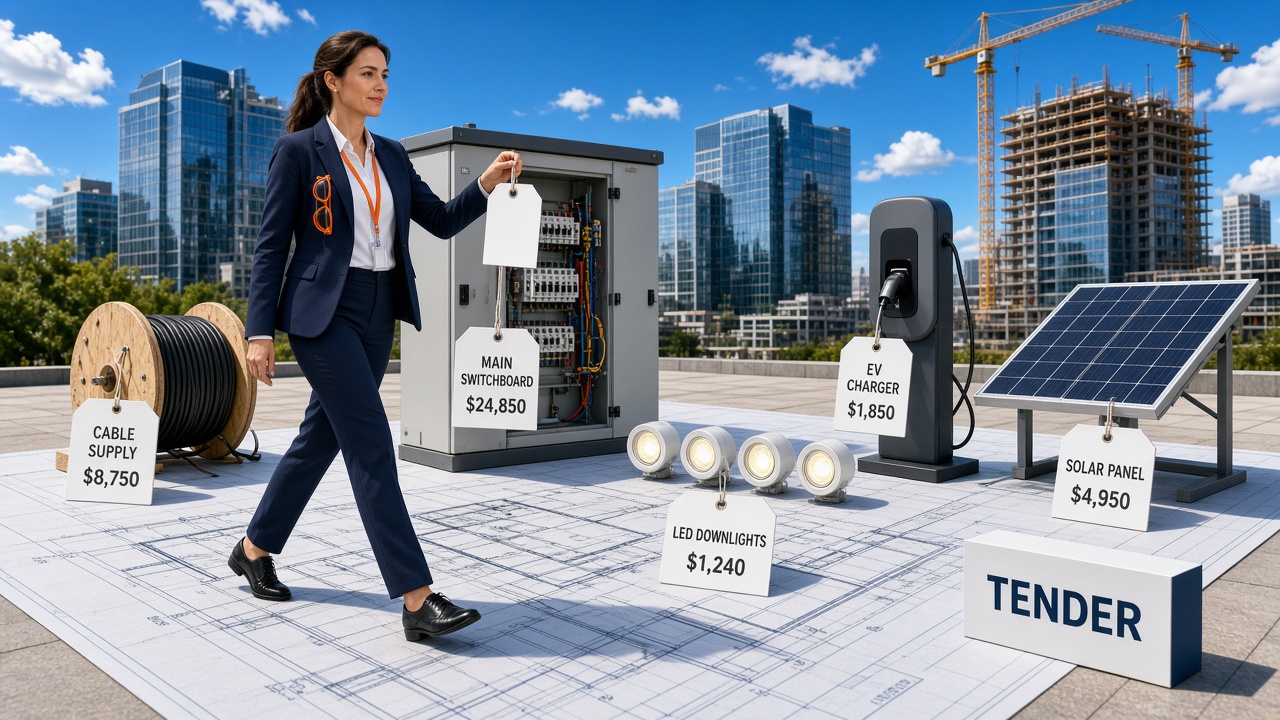
Electrical estimators price the jobs sparkies build. What the role involves, what it pays in Australia and NZ, who's hiring and how to move off the tools.
Every job you've ever wired started as a number on a spreadsheet. Before a single cable tray goes up, someone has read the drawings, counted every light fitting and GPO, priced the switchboards, worked out how many hours it'll take a crew to rough in level three, and put a figure on the lot that's sharp enough to win and fat enough to make money. That person is the electrical estimator, and right now Australia can't get enough of them.
I've been watching estimator ads stack up on SEEK this month and it's striking. Monadelphous in Perth, AE Smith in Melbourne and Sydney, UGL's utilities team in Brisbane, Ampcontrol in Mackay and Newcastle, Elecnor hiring HV estimators in Sydney, switchboard builders like Chadwick Industries in Smithfield. It's a role that quietly sits behind every data centre, substation, hospital and apartment tower in the country, and it's one of the best "off the tools" moves a good sparky can make. So in this edition of our role explainer series, let's unpack what estimators actually do, what they earn, and how you get there.
What an electrical estimator actually does
SEEK's role guide sums it up neatly: estimators provide cost estimate summaries for electrical work on industrial, commercial and civil projects. In practice, that means reading tender documents and drawings to understand the scope, doing a "take-off" (counting and measuring everything that needs to be supplied and installed), getting prices from wholesalers and subcontractors, building up labour hours, and pulling it all into a tender submission.
The bit that separates a great estimator from an average one is judgement. Anyone can count downlights. The skill is knowing that the cable route on drawing E-204 is going to be a nightmare through that ceiling space, that the specified switchgear has a long lead time, that the site has restricted access hours, or that the spec quietly calls for a level of testing and documentation that'll chew up a week at the end. SEEK lists the things a good estimate has to account for: labour, materials, special equipment, weather, insurance and the duration of the work. Miss one and the job loses money before it's even started.
Estimators also spend a lot of time talking. They're on the phone to suppliers, chasing subbies for quotes, sending RFIs (requests for information) to builders when the drawings don't add up, and handing the job over to the project manager once it's won. On bigger contractors you'll often see the role split into pre-construction, tendering and estimating teams, and on the HV and infrastructure side the title sometimes becomes "tendering engineer".
Why estimating is booming right now
Think about the pipeline we write about every week on this site: transmission lines, big batteries, solar farms, data centres, hospital and apartment builds, switchboard upgrades for electrification. Every one of those packages has to be priced, usually against tight tender deadlines, and often by contractors who are already flat out delivering their current jobs.
That's why the ads are so varied. Looking at SEEK's listings this month, I can see estimators wanted for residential and commercial work, switchboard manufacturing, mining power, HVAC and controls, HV infrastructure and maintenance divisions. One Sydney commercial and industrial ad from RM Group is up front about paying $170k to $180k plus super. When the industry is short of sparkies, it's short of experienced sparkies who can price work, too.
My take: estimating is one of the roles that gets more valuable as the industry gets more technical. Pricing a battery-backed commercial site with EV charging, solar, monitoring and a pile of compliance paperwork is much harder than pricing a simple fit-out. The people who understand both the tech and the money are going to be very hard to replace.
What electrical estimators earn
Pay is strong, and it reflects the responsibility. A few data points from SEEK, which bases its insights on salaries employers disclose in job ads:
- SEEK's regional data puts the average for electrical estimator jobs at around $162,500 in Adelaide and South Australia, $160,000 in Brisbane and $155,000 in Bundaberg and Wide Bay Burnett.
- SEEK's industry estimate for an electrical estimator in engineering and project management services, shown on Downer's salary page, is $140k to $180k.
- Advertised senior, lead and HV estimating manager roles sit at the top end, and some ads clearly state packages above that.
In New Zealand, Tahatū Career Navigator (formerly careers.govt.nz) says estimators most commonly earn NZ$70,000 to NZ$115,000, with the upper end around NZ$158,000. That's across all estimators, including building and manufacturing, so an experienced electrical estimator on infrastructure work should expect to sit in the upper half.
Remember that SEEK's figures come from ads, and some include super while others don't. Use them as a guide for negotiating, not a guarantee. And remember the trade-off: you'll usually say goodbye to overtime and site allowances, so compare the whole package, not just the base.
How to become an electrical estimator
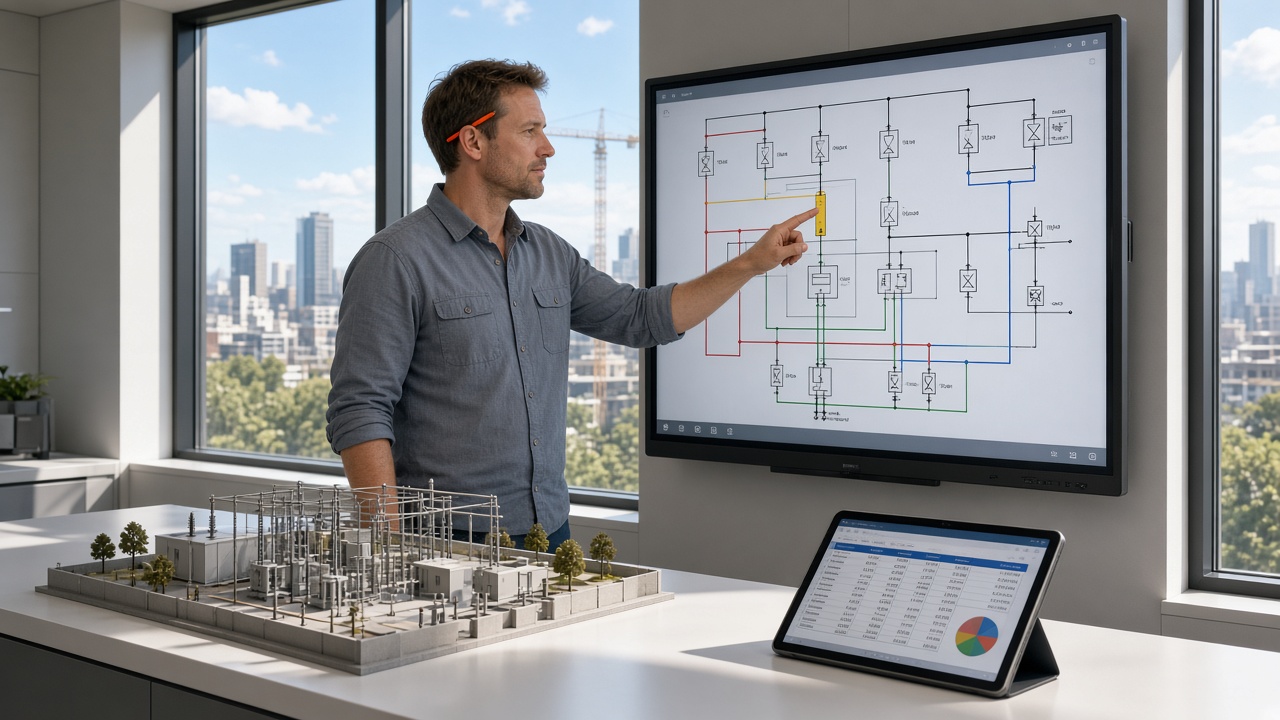
There are two common doors in. SEEK notes that estimators are usually experienced, trade-qualified and licensed electricians, or people with an engineering or related qualification. For most of our readers, it's the first one:
- Finish your apprenticeship and get licensed. Your Cert III in Electrotechnology and your state licence are the foundation. You can't price work properly if you don't understand how it's built. (Our licensing guide covers this for Australia and NZ.)
- Get serious commercial and industrial experience. Estimators who've run crews, dealt with variations and finished jobs that went sideways price far more accurately than those who haven't.
- Start as a junior or assistant estimator. SEEK suggests learning under a senior estimator, and that's how most people I know made the jump. Some sparkies start by doing take-offs part-time for their current boss, or by moving into a project coordinator role first.
- Build the office skills. Excel, reading drawings fluently, estimating and take-off software, and clear written communication. A short course in contract basics or construction estimating is worth its weight in gold.
In New Zealand, Tahatū says you usually need experience to become an estimator, and that a trade qualification or a relevant tertiary qualification in building and construction may help. Same story: the trade background is your edge.
What makes a great estimator (and who it suits)
I'll be honest: this isn't for everyone. One estimator's review on SEEK puts it perfectly: "Project estimating is not for the faint-hearted." Tender deadlines can be brutal, the documents run to hundreds of pages, and you can spend a week on a bid you don't win.
But if you're the sparky who always asks "why are we doing it this way?", who spots the problem in the drawings before anyone else, who's good with numbers and likes a bit of strategy, estimating can be incredibly rewarding. You see the whole project, not just your bit. You influence which jobs the business takes on. And you build a skill set that leads naturally into project management, pre-construction management, operations or even running your own contracting business.
It's also a great option if your body is telling you it's time for a change, or if you want more regular hours for family life. You keep your trade knowledge working for you, without the knees paying for it.
AI and the future of estimating
I'm a big believer that AI is going to change this role for the better, not erase it. Software is getting very good at the grunt work: counting symbols on drawings, comparing revisions, pulling supplier prices. That frees estimators to do the high-value part, which is judgement, risk and strategy. The estimator of 2027 will be the person who can run the tools fast and knows from real site experience when the number they're spitting out is wrong. That's a combination a licensed sparky is perfectly placed to own.
My advice if you're thinking about it
- Talk to the estimator at your current company. Ask if you can help with take-offs on a small tender. Most are drowning in work and will welcome it.
- Keep a cost diary on your own jobs. How long did that board change really take? What did the cable cost? This is the raw material of good estimating.
- Pick a lane. Switchboards, HV, data centres and renewables all have specialist estimators, and specialists get paid more.
- Don't undersell your site experience. In interviews, talk about jobs where you spotted a problem early or saved time. That's exactly what estimators do.
Every great project in this country starts with someone getting the number right. If that sounds like you, browse the latest electrical jobs across Australia and New Zealand, including estimating, tendering and project roles, and take your next step.