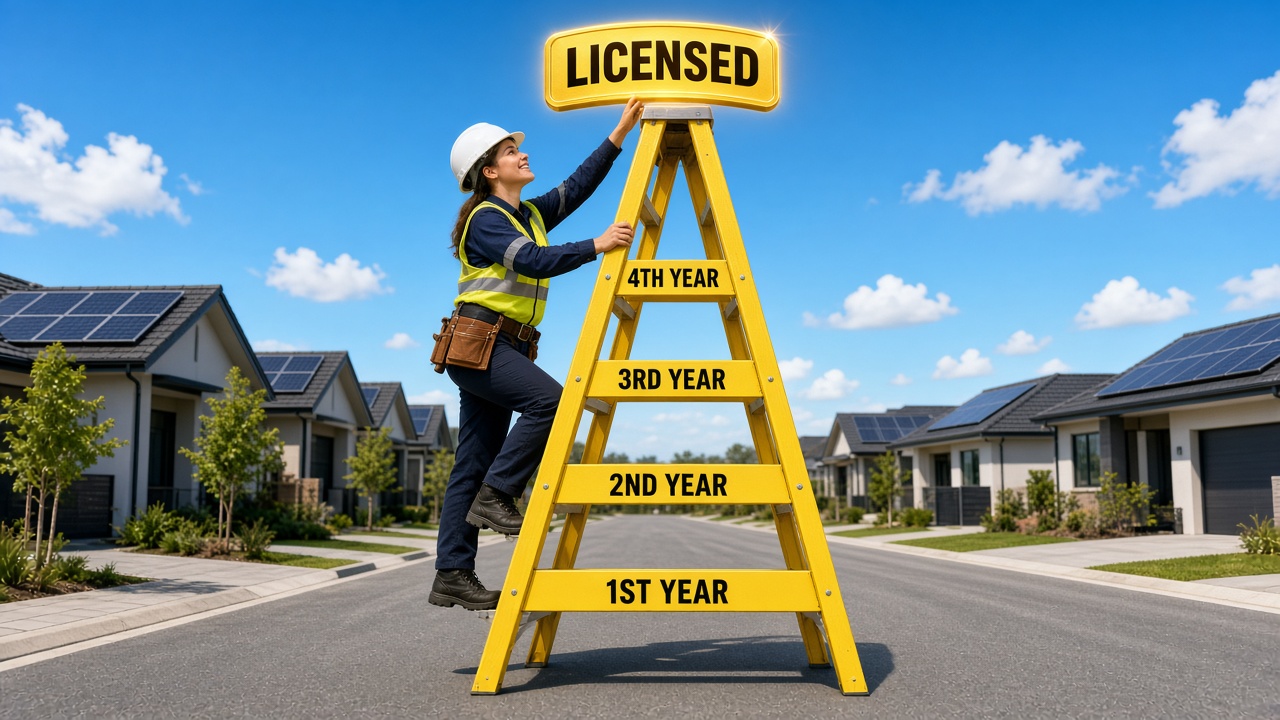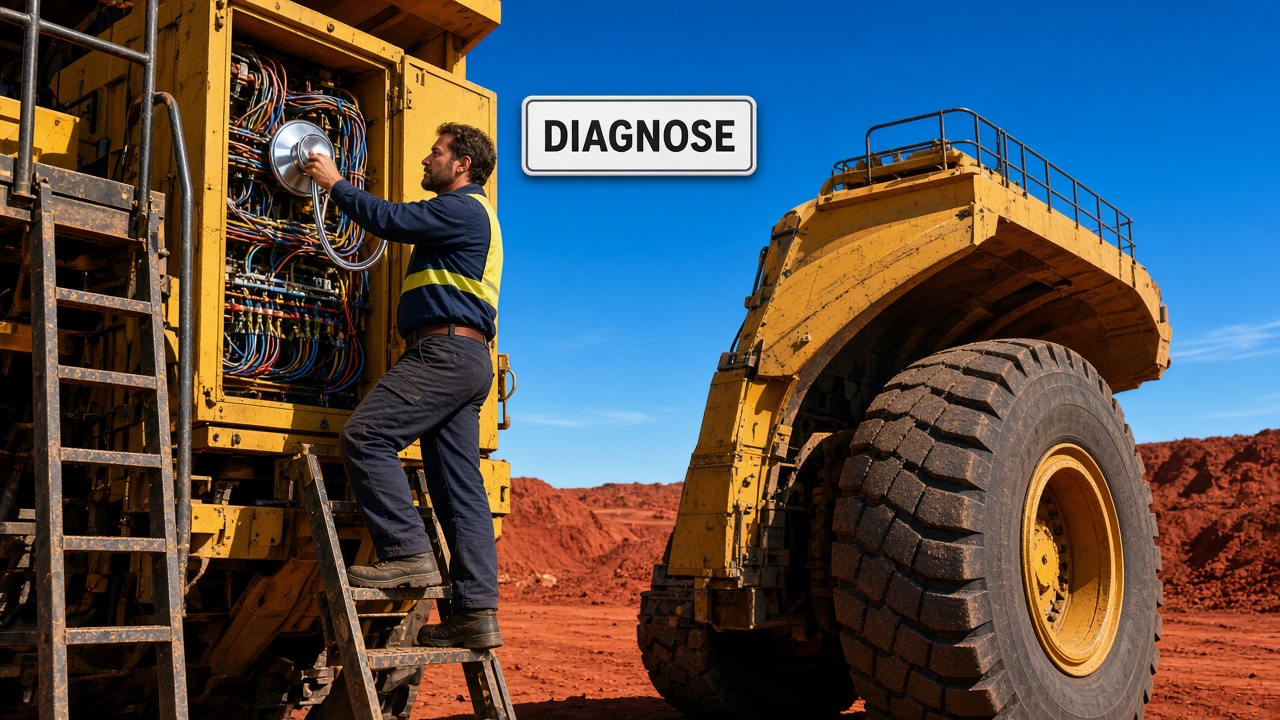

What Does a FIFO Mining Electrician Do? Pay, Rosters and Tickets
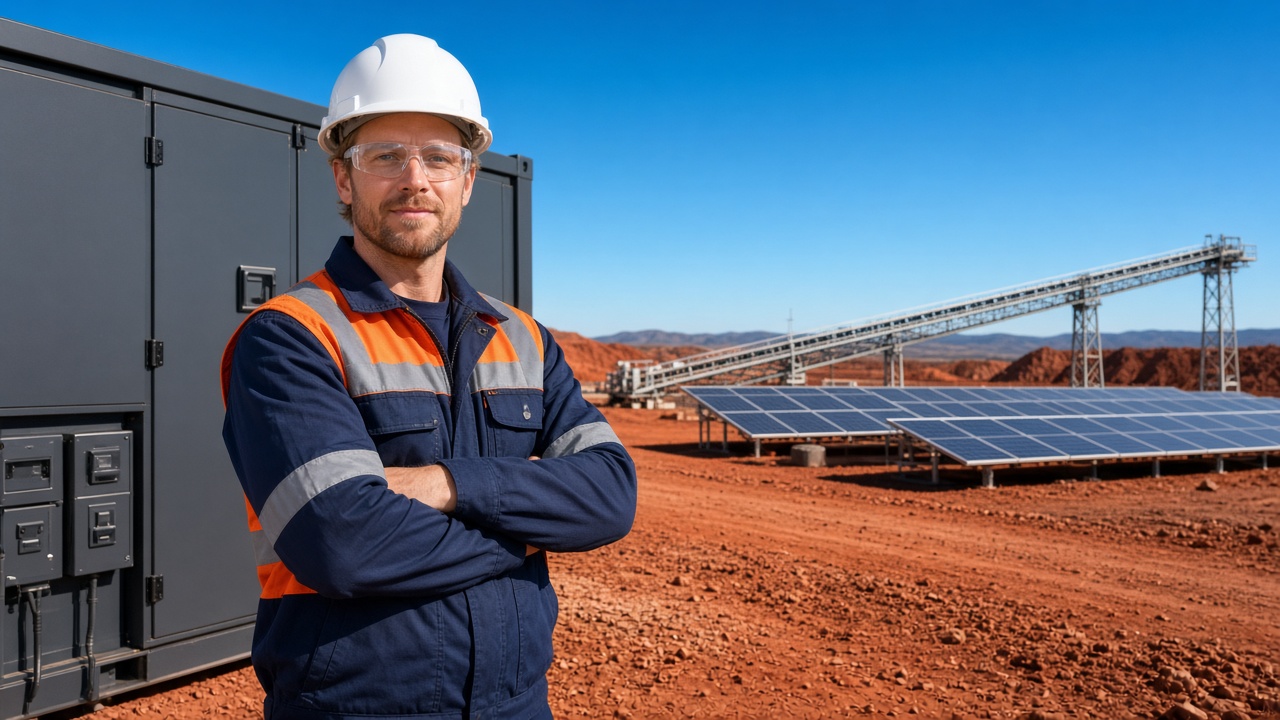
What FIFO mining electricians really do, October 2026 pay rates from $78 to $96 an hour, the licences and tickets you need, and how to land your first swing.
Every few weeks someone asks me the same question: "Is FIFO still worth it for a sparky?" My honest answer in late 2026 is yes, for the right person, at the right stage, with eyes wide open. The money is real, the demand is real, and the skills you pick up on a mine site can set up the rest of your career. But the hours are real too, and the ads don't always tell you what they cost.
This is the next instalment in our "what each role does" series, after substation electricians and data centre electricians. Here's what a FIFO mining electrician actually does, what the market is paying right now, what tickets you need, and how I'd approach getting that first swing.
What a FIFO mining electrician actually does
A FIFO (fly-in, fly-out) electrician is a licensed electrician who flies to a mine, gas plant or major construction project for a swing of one to three weeks, lives in camp, and works twelve-hour shifts before flying home for their break. The DIDO (drive-in, drive-out) version is the same job with a ute instead of a plane.
"FIFO electrician" is really a family of jobs, and they're quite different:
- Construction electricians build the plant: cable pulls, glanding and terminations, switchrooms, MCCs and hazardous area work on a project with an end date. These ads tend to carry the highest flat rates and the longest rosters, often 2:1.
- Fixed plant maintenance electricians keep a working operation running: processing plant, conveyors, crushers, substations, statutory testing and breakdown fault-finding, usually on even-time rosters like 8:6 or 7:7.
- Shutdown electricians fly in for planned maintenance blitzes, often a week or two of intense work, then they're gone. Shutdowns are the classic first foot in the door.
- Underground electricians look after power, comms (think leaky feeder systems) and ventilation below ground, a niche most surface sparkies never see.
- Camp maintenance electricians handle the village side: accommodation units, air-conditioning, RCD testing. Usually salaried, days only, and calmer.
- E&I technicians (electrical and instrumentation) work on the control side: PLCs, sensors, field instruments and networks. This is where the premium sits.
A good example of a current maintenance role: ETA Group's Maintenance Electrician ad for a remote Tanami operation in the NT, posted mid-October, lists fault-finding and breakdown response, preventative maintenance, and work across HV, instrumentation and the mill processing plant on an 8:6 roster flying from Brisbane or Perth. That mix of duties is typical.
A day on site, honestly
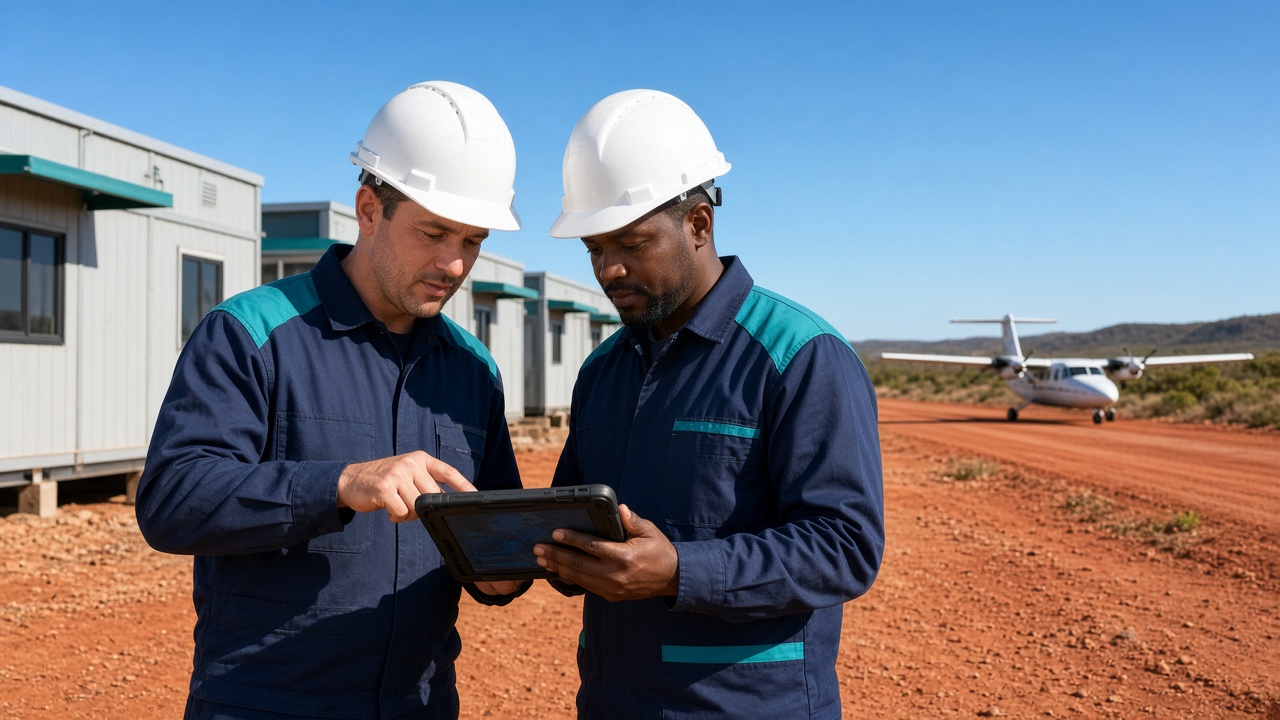
The day usually starts with a 5am bus from camp. Then it's the pre-start meeting, a hazard assessment, permits and isolations. Locks on, test for dead, then the work. Statutory testing, fault-finding, cable pulls, substation jobs. Handover, locks off, bus back, dinner, gym if you've got anything left, bed.
The thing that surprises residential and commercial sparkies most is the pace. Nothing gets touched until the permit says so, and the paperwork can take as long as the job. That's not bureaucracy for its own sake. On a site with HV, rotating plant and haul trucks, the sparky who isolates, tests and tags every single time is the one who gets asked back. The one who is "quick" is the one who gets walked off. If you're the type who likes doing it properly, you'll fit right in.
What FIFO electricians are paid in October 2026
Here's where it gets interesting. Pay is genuinely strong, but it's quoted three different ways, so you have to read ads carefully.
FlyInFlyOut.au's October 2026 sample of advertised FIFO electrician jobs found:
- Casual and contract: roughly $60 to $105 an hour, with a middle figure around $83 an hour
- Salaried: roughly $120,000 to $151,950 a year plus allowances and super
The same source says SEEK listed 3,785 FIFO electrician jobs across Australia in October 2026. That's a deep market.
Real ads currently in the wild line up with that range:
- SGC Australia advertising FIFO electricians on BHP, FMG and Rio Tinto sites at $80 an hour days to $96 nights
- Linkforce advertising from $83.00 day shift and $90.70 night shift plus super, with work starting November and December
- Energised Workforce at $78 to $94 an hour for shutdowns, projects and maintenance
- Sodexo offering $135,000 a year plus allowances and super on an 8:6 permanent role
- Techforce Personnel, earlier this year, offering a $84.09 an hour flat rate on a Rio Tinto construction project in the Pilbara on a 2:1
Flat rate, base plus penalties, or salary
This is the bit people get wrong. A flat rate rolls overtime, weekend and night loadings into one figure, which is why it looks high. A base rate adds those loadings on top. A salary usually looks lower per hour but is the only one that comes with leave and sick pay.
Most of the ads are casual or contract. Work can dry up between projects, and if you treat your gap between jobs as a paid holiday when it isn't, the flat rate will catch you out. My advice: budget on the assumption you'll have a few unpaid weeks a year, and anything better is a bonus.
Also do the maths on hours. As FlyInFlyOut.au points out, a 2:1 roster works out to about 2,920 hours a year against 1,976 for a standard city week. A high hourly rate across 50 per cent more hours is a different proposition from a high hourly rate, full stop.
The licence and tickets you'll need
The single most important rule: the licence follows the site, not you. You work on the licence of the state the mine is in.
- A Queensland sparky flying to a Bowen Basin coal mine works on the Queensland licence.
- A WA site wants a WA electrical licence (the ads say "A-Grade"). If you're licensed interstate, lodge a mutual recognition application with Building and Energy in WA before you start applying, not after an offer. Recruiters move fast.
- NT sites want an NT licence, as the ETA Group ad above spells out.
If you're still sorting the licence itself, start with our guide on how to get your electrical licence in Australia.
Beyond the licence, the standard kit most ads ask for:
- LVR (low voltage rescue) and CPR, current within 12 months
- White Card
- First aid
- Manual driver's licence
- Working at heights and confined space on many sites
- A national police check
The employer usually books and pays for the pre-employment medical, drug and alcohol screen and site inductions. Queensland coal sites also want Standard 11 and a coal board medical. Port and wharf work, like some of the Port Hedland roles, may eventually need an MSIC.
Where FIFO leads: the tickets that pay more
Here's the forward-looking part, and the reason I'm bullish on FIFO as a career move rather than just a money grab.
The best-paid sparkies on the mining boards almost always hold a second qualification on top of the licence:
- HV switching opens the substation and better maintenance roles. If that interests you, our substation electrician explainer goes deeper.
- EEHA (electrical equipment in hazardous areas) unlocks gas plants and the top-paying project work.
- Instrumentation (Certificate IV) takes you into E&I, which is the doorway to oil and gas and some of the most sought-after rosters.
And this matters well beyond mining. Mine sites are electrifying: solar farms, big batteries, electric and autonomous fleets, more automation in processing plants. The skills you build in a FIFO role, HV, controls, instrumentation, permit-to-work discipline, are exactly the skills that data centres, transmission projects and grid-scale batteries are crying out for. FIFO doesn't have to be a detour. Done well, it's an accelerator.
How I'd go about landing the first swing
If you hold an unrestricted licence and want in, here's the practical game plan:
- Get the right state licence sorted first. For WA, lodge mutual recognition before you apply.
- Bring your tickets current. LVR and CPR expire every year and it's the most common reason a recruiter skips you.
- Lead your resume with any industrial work. Domestic wiring counts for less on a mine. Steel wire armoured cable, cable tray, glanding, terminating into MCCs, PLC panels: put those at the top.
- Target contractors and labour hire, not just the miners. Mine owners like Mineral Resources and Glencore hire direct, but they usually want site experience. Contractors and agencies are where the first-timer roles live.
- Take a shutdown. It's short, it gets you site hours and inductions, and those hours are what the better ads ask for.
- Apply to several at once. These roles fill quickly.
- Check the point of hire. Most WA work flies from Perth, Queensland from Brisbane or Townsville, the NT from Darwin. Getting to the airport is usually on you.
Two honest questions before you go
The licence already answers whether you're a good sparky. The real questions are about you.
First, can you do the tenth 84-hour week as well as the first? The first is easy. The hard one is after the birthday you missed while the project ran late.
Second, do you have a number and a date? The sparkies who do FIFO best usually go in with a clear goal: pay off the mortgage, save a deposit, fund their own contracting business, or bank the HV and instrumentation tickets. Then they leave on their terms.
If a swing ever turns rough, Lifeline is on 13 11 14, any hour.
The bottom line
FIFO electrical work in 2026 is a strong, deep market with rates commonly in the $78 to $96 an hour band for experienced sparkies, plenty of shutdown and project work flowing into the new year, and a clear ladder into the high-value specialisations Australia's energy build needs. It's not for everyone. But if you go in prepared, licensed for the right state and with your tickets current, it can be one of the fastest ways to grow both your bank balance and your skill set.
Ready to look? Browse the latest electrician jobs on ElectricalRoles.com.au, including mining, industrial and project roles across Australia and New Zealand.
Sources: FlyInFlyOut.au, FIFO Electrician Jobs; Jobstreet FIFO electrician listings, October 2026; FIFOWorks, ETA Group Maintenance Electrician; Techforce Personnel construction electrician ad. Pay figures are advertised rates and change often; always confirm with the employer.